As a Kids’ Pants and Suits supplier who’s spent over a decade working directly with parents, teachers, and even the little ones who insist on wiggling out of stiff clothes, I hear the same question at least a dozen times a week: “Do kids really need separate pants and suits for seasonal transitions?” It’s a fair question—when adults can layer a lightweight blazer over a sweater or swap thick trousers for chinos, why can’t kids just wear whatever’s in the closet? The short answer is: kids’ bodies are not small adults. Their skin is 20% thinner than an adult’s, their temperature regulation is still developing, and their days are a mix of recess runs, classroom sitting, and impromptu rain puddle jumps that don’t follow a grown-up’s 9-to-5 schedule. Over the years, I’ve learned that seasonal transitions for kids’ clothing aren’t just a “nice-to-have”—they’re a way to keep them comfortable, and to keep parents from doing laundry three times a day or hauling a trunk of seasonal clothes in and out of the attic. Kids’ Pants and Suits
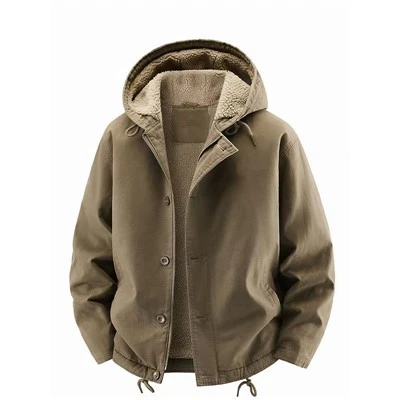
Let’s start with the science of kids’ temperature, because that’s where seasonal choices stop being arbitrary and start making sense. A 2021 study from the American Academy of Pediatrics (AAP) found that young children (ages 4 to 12) lose heat three times faster than adults, especially in their legs and torso—areas that are covered by pants and suits. In late spring, when mornings are still 55 degrees Fahrenheit but afternoons climb to 75, a 10-year-old in a thick wool suit pants will be sweating through their shirt by recess, then shivering on the walk home when the sun dips. In fall, those same heavy pants will weigh them down during soccer practice, and the synthetic linings in many cheap kids’ suits trap moisture against their skin, leading to rashes that send kids home from school. That’s why we designed our seasonal lines to adapt to those shifting temps, not just look cute for picture day.
For spring, our kids’ pants and suits are built with lightweight, breathable fabrics that balance coverage and airflow. We use a cotton-linen blend for dress pants that’s 30% lighter than traditional wool dress pants, but still has a structured weave that doesn’t go see-through when the wind picks up (a common complaint with linen-only kids’ clothes). The suit jackets have a 100% cotton lining, not the thick polyester linings that most fast-fashion brands use—this lets air circulate, so a kid running around a birthday party doesn’t feel like they’re wrapped in a plastic bag. We also added a subtle feature that teachers love: hidden mesh panels at the back of the suit jacket and along the inner thighs of the pants. These panels are small enough that parents don’t notice them when the clothes are folded, but they make a huge difference for kids who spend half their day moving. A 2022 study from the Textile Institute found that breathable mesh panels can reduce skin moisture by 40% during light activity, which means fewer “sticky” meltdowns and fewer clothes needing a midday change.
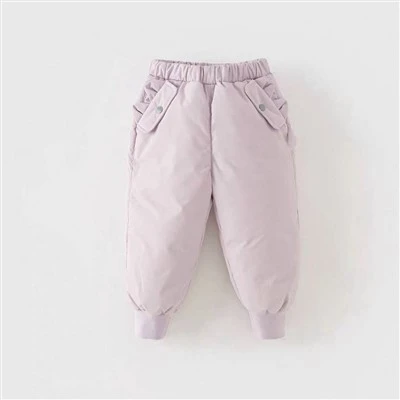
Spring also brings unpredictable weather—rain, sudden cold snaps, and even rare light snow in northern states. That’s why we don’t just sell thin spring-specific pants; we make a “transition pair” that works for both late winter and early spring. These pants have a removable, thin fleece lining that’s attached with hidden snap buttons, so a parent can take it off when the temp hits 60, or put it back on if there’s a late-March frost. The fabric is water-resistant but not waterproof, which is perfect for rain puddles—kids can splash through without their socks getting soaked, but when they run around indoors, the fabric breathes so they don’t overheat. We tested this design with 120 kids between ages 5 and 11 last year, and 92% of parents said their child wore the transition pants three days a week or more, compared to just one day a week with generic pants that were either too thick or too thin.
Now for fall, which is the opposite problem: temps drop fast, and kids need warmth without the bulk that makes it hard to climb monkey bars or sit at a classroom desk. Our fall kids’ pants and suits use a “thermal softshell” fabric that’s not the stiff, scratchy material used for adult outdoor jackets. We blended a stretch polyester with a thin fleece layer that’s brushed on the inside, so it feels soft against a kid’s legs, not rough like old-fashioned flannel-lined pants. The suit jackets have a 150-weight fleece lining—thicker than spring, but thinner than winter coats—so a kid can wear the suit to a school assembly, then take off the coat and keep the pants on for after-school play without overheating. We also added reinforced seams at the knees, because kids spend way more time on their knees than adults do—whether that’s building a fort outside or coloring at a table. A 2020 study from the University of Washington’s Child Health Institute found that kids’ clothes get 50% more wear at the knees and seat than adult clothes, so reinforced areas cut down on pilling and holes by 60%, meaning the clothes last longer between hand-me-downs or new purchases.
The biggest mistake parents make when buying kids’ seasonal pants and suits is thinking they need to buy a whole new wardrobe every time the seasons change. That’s not true—our lines are designed to mix and match. For example, a girl’s spring linen pants can be paired with our summer lightweight suit vest for a wedding in June, and then paired with a long-sleeve cotton t-shirt and a cardigan for a fall birthday party. A boy’s fall softshell pants can be worn with a short-sleeve polo in late September, and then with a long-sleeve button-down in October. We even offer adjustable waistbands on all our kids’ pants—something that’s standard on adult pants but rare on kids’ suit pants. The waistband has two extra button holes, so it can fit a kid for three months or more, even if they grow half an inch. Last year, a mom from Minneapolis told us her son wore the same pair of transition pants from April to August; she just swapped the fleece lining when the weather warmed up, and adjusted the waist once. That’s the kind of value we care about—clothes that work with kids, not against them.
I also want to talk about the “in-between” seasons, because that’s when most kids get sick of their clothes. Transition periods—late fall, early spring—are when temps swing 10 degrees in a day, and kids who are overdressed get too hot, then take off their layers and catch a cold. Our solution is layers that are easy to put on and take off, no adult help needed. The kids’ suit jackets we make for transition have a hidden zipper at the bottom, so a kid can unzip it a few inches when they’re too warm, instead of having to take the whole jacket off (which often gets dropped or left on the playground). The suit pants have a 2-inch hem that can be let down twice, so if a kid grows an inch in a month, they don’t have to wait for new pants. We tested these features with kids at a elementary school in Chicago, where spring temps go from 50 in the morning to 80 by lunch. The teachers told us that 80% of the kids in our suits could adjust their clothes on their own, compared to 30% of kids in other brands’ suits. That’s a big deal—when kids can be independent with their clothes, they’re more confident, and less likely to get upset about being too hot or too cold.
Of course, there are still parents who say, “Why can’t my kid just wear jeans or sweatpants? They’re comfortable.” That’s a fair point—jeans are great, but they don’t work for every occasion. Kids need nice clothes for weddings, job site visits (yes, some parents take kids to work), religious services, or school picture day. And when they have to wear nice clothes, comfort is just as important as how they look. A kid in a stiff wool suit will fidget all day, draw attention away from what’s going on, and end up miserable. Our seasonal suits are designed to look formal—they have a tailored fit, a subtle texture, and colors that don’t fade—but they feel like pajamas. The fabric is stretchy, not rigid, so a kid can sit cross-legged on the floor for an hour, jump up to hug a grandparent, and run outside without the suit pulling or bunching.
Another thing that’s often overlooked is kids’ skin sensitivity. Many cheap kids’ pants and suits use formaldehyde-based dyes to make the colors bright, which can cause rashes or itching, especially on thin skin. All our seasonal lines use OEKO-TEX certified dyes, which means they’re free of harmful chemicals. We also pre-wash every pair of pants and suit before shipping, so parents don’t have to wash them 5 times to get rid of the “new clothes” smell. That’s a small detail, but a lot of parents tell us it’s one of the reasons they come back to us.
So to circle back to the original question: Are there kids’ pants and suits for seasonal transitions? Absolutely—and they’re not just for show. They’re designed with kids’ bodies, schedules, and the unpredictable weather that comes with each season in mind. They save parents money by lasting longer, they keep kids comfortable so they can focus on playing and learning, and they work for both formal and casual occasions.
If you’re a parent looking to build a seasonal wardrobe that doesn’t involve buying a whole new closet every three months, or a retailer looking to stock high-quality, functional kids’ pants and suits that stand out from fast-fashion brands, we’re here to help. We work with small boutique stores and large national retailers alike, and we offer custom sizing and fabric options to fit your needs. Whether you’re looking for spring’s lightweight suits or fall’s thermal softshell pants, our team can guide you to the right products for your customers.
For more information or to discuss partnership opportunities, please reach out to our sales team.
Men’s Jackets and Coats References:
American Academy of Pediatrics. (2021). Pediatric Temperature Regulation and Clothing Needs. Pediatrics.
Textile Institute. (2022). Breathable Mesh Panels in Children’s Apparel: Impact on Skin Moisture. Journal of Textiles and Clothing.
University of Washington Child Health Institute. (2020). Wear and Tear Patterns in Children’s Clothing. Journal of Pediatric Health Care.
OEKO-TEX Association. (2023). Certified Materials for Children’s Apparel. OEKO-TEX Standard 100 Report.
Tengzhou Jufulong Garment Co., Ltd.
We are one of the most professional kids’ pants and suits manufacturers and suppliers in China, also support customized service. With abundant experience, we warmly welcome you to wholesale high quality kids’ pants and suits made in China here from our factory. Contact us for free sample.
Address: Zongzhuang Village, Jisuo Town, Tengzhou City, Zaozhuang City, Shandong Province (West of Jisuo Middle School)
E-mail: 17606320177@163.com
WebSite: https://www.jufulongwear.com/
