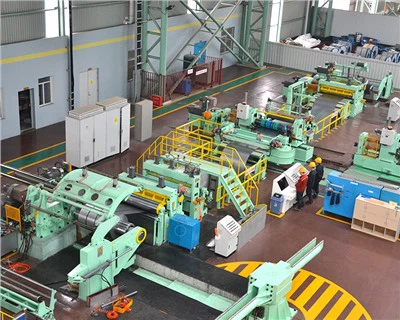
Adjusting the stacking pattern in a Cut To Length Line is a crucial aspect that can significantly impact the efficiency, productivity, and overall quality of the cutting and stacking process. As a supplier of Cut To Length Lines, I’ve witnessed firsthand the challenges and opportunities that come with optimizing the stacking pattern. In this blog, I’ll share some insights and practical tips on how to adjust the stacking pattern effectively. Cut To Length Line
Understanding the Basics of Stacking Patterns in a Cut To Length Line
Before delving into the adjustment process, it’s essential to understand the different types of stacking patterns commonly used in a Cut To Length Line. The most common patterns include single-layer stacking, multi-layer stacking, and nested stacking.
- Single-layer stacking: This is the simplest stacking pattern, where the cut sheets are stacked one on top of another in a single layer. It’s suitable for applications where the sheets are relatively thin and the stacking height is not a concern.
- Multi-layer stacking: In this pattern, the cut sheets are stacked in multiple layers, with each layer offset slightly from the one below it. This pattern is often used when the sheets are thicker or when a higher stacking density is required.
- Nested stacking: Nested stacking involves arranging the cut sheets in a way that they fit together like puzzle pieces, maximizing the use of space and reducing the overall footprint of the stack. This pattern is commonly used for irregularly shaped sheets or when space is limited.
Factors Affecting the Stacking Pattern
Several factors can influence the choice of stacking pattern and the need for adjustment. These include:
- Sheet thickness and material: Thicker sheets may require a different stacking pattern than thinner ones to ensure stability and prevent damage. The material properties, such as hardness and flexibility, can also affect the stacking process.
- Cutting speed and accuracy: The speed at which the sheets are cut and the accuracy of the cutting process can impact the stacking pattern. Faster cutting speeds may require a more robust stacking system to handle the increased volume of sheets.
- Stacking height and capacity: The desired stacking height and the capacity of the stacking system will determine the most suitable stacking pattern. Higher stacking heights may require additional support or a different stacking configuration to prevent collapse.
- Space limitations: The available space in the production area can influence the choice of stacking pattern. Nested stacking, for example, is often used when space is limited to maximize the use of available floor space.
Steps to Adjust the Stacking Pattern
Adjusting the stacking pattern in a Cut To Length Line typically involves the following steps:
Step 1: Evaluate the Current Stacking Pattern
The first step is to evaluate the current stacking pattern and identify any issues or areas for improvement. This may involve observing the stacking process, measuring the stacking height and density, and checking for any signs of damage or instability.
Step 2: Determine the Desired Stacking Pattern
Based on the evaluation, determine the desired stacking pattern that will meet the specific requirements of your production process. Consider factors such as sheet thickness, material, cutting speed, stacking height, and space limitations.
Step 3: Make Adjustments to the Stacking System
Once the desired stacking pattern has been determined, make the necessary adjustments to the stacking system. This may involve changing the stacking parameters, such as the stacking height, layer offset, or nesting configuration. It may also require modifying the stacking equipment, such as adding support structures or adjusting the conveyor belts.
Step 4: Test and Optimize the Stacking Pattern
After making the adjustments, test the new stacking pattern to ensure that it meets the desired specifications. Monitor the stacking process closely and make any necessary adjustments to optimize the pattern further. This may involve fine-tuning the stacking parameters or making additional modifications to the stacking equipment.
Step 5: Train the Operators
Finally, train the operators on the new stacking pattern and the proper use of the stacking equipment. Provide them with clear instructions and guidelines on how to operate the system safely and efficiently. Ensure that they understand the importance of maintaining the stacking pattern and the potential consequences of deviating from it.
Tips for Effective Stacking Pattern Adjustment
Here are some tips to help you adjust the stacking pattern effectively:
- Use a standardized approach: Develop a standardized approach to stacking pattern adjustment to ensure consistency and repeatability. This may involve creating a checklist or a set of procedures that outline the steps involved in the adjustment process.
- Collect and analyze data: Collect data on the stacking process, such as the stacking height, density, and quality of the stacks. Analyze this data to identify trends and patterns that can help you optimize the stacking pattern further.
- Work closely with the equipment manufacturer: If you’re experiencing difficulties adjusting the stacking pattern, work closely with the equipment manufacturer. They can provide you with technical support and guidance on how to make the necessary adjustments to the stacking system.
- Regularly maintain the stacking equipment: Regularly maintain the stacking equipment to ensure that it’s in good working condition. This may involve cleaning the equipment, lubricating the moving parts, and replacing any worn or damaged components.
Conclusion
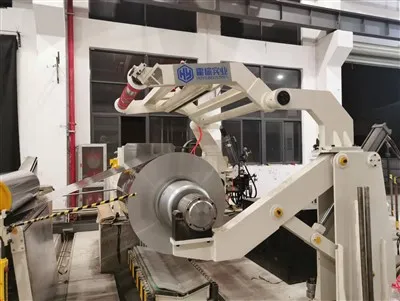
Adjusting the stacking pattern in a Cut To Length Line is a complex process that requires careful planning, evaluation, and optimization. By understanding the different types of stacking patterns, the factors that affect them, and the steps involved in the adjustment process, you can ensure that your stacking system is operating at its maximum efficiency and productivity.
Cut To Length Line If you’re looking for a reliable Cut To Length Line supplier that can help you optimize your stacking pattern and improve your production process, we’re here to help. Our team of experts has extensive experience in designing and manufacturing high-quality Cut To Length Lines that are tailored to your specific needs. Contact us today to learn more about our products and services and to discuss your requirements.
References
- "Cut To Length Line Handbook" – Industry publication on the operation and maintenance of Cut To Length Lines.
- "Stacking Pattern Optimization Techniques" – Academic research paper on the optimization of stacking patterns in manufacturing processes.
- "Best Practices for Stacking in Cut To Length Lines" – White paper from a leading manufacturer of Cut To Length Line equipment.
Shanghai HOYO Industries Co., Ltd.
Shanghai HOYO Industries Co., Ltd. is one of the most professional cut to length line manufacturers and suppliers in China, featured by quality products and competitive price. Please rest assured to buy cheap cut to length line for sale here from our factory. Contact us for customized service.
Address: No.8, Jianding Road, Fengjing Town, Jinshan District, Shanghai, China
E-mail: info@hoyomachinery.com
WebSite: https://www.hoyomachinery.com/
