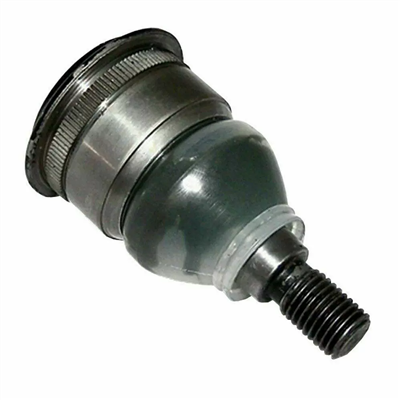
Hey there! I’m a supplier of stainless steel ball joints, and I often get questions about the fatigue life of these nifty little components. So, I thought I’d sit down and write a blog post to share what I know. Stainless Steel Ball Joint
What Exactly is Fatigue Life?
Before we dive into the specifics of stainless steel ball joints, let’s quickly go over what fatigue life means. Fatigue life refers to the number of load cycles a material or component can endure before it fails due to fatigue. Fatigue failure happens when a material is subjected to repeated loading and unloading, causing tiny cracks to form and grow over time until the component can no longer hold up.
Factors Affecting the Fatigue Life of Stainless Steel Ball Joints
There are several factors that can influence the fatigue life of stainless steel ball joints. Let’s take a closer look at each of them.
Material Quality
The quality of the stainless steel used in the ball joint plays a huge role in its fatigue life. High – quality stainless steel has better resistance to corrosion and cracking. For example, 316 stainless steel is known for its excellent corrosion resistance, which can help prevent the formation of cracks that could lead to fatigue failure. When we source our stainless steel, we always go for top – notch materials to ensure the best possible fatigue life for our ball joints.
Design and Manufacturing
The design of the ball joint also matters a great deal. A well – designed ball joint will distribute stress evenly across the component. If the design has sharp corners or uneven surfaces, stress can concentrate in certain areas, making the joint more prone to fatigue. Our manufacturing process is carefully optimized. We use precision machining to ensure that the ball joints have smooth surfaces and proper dimensions, which helps to improve their fatigue life.
Load Conditions
The type and magnitude of the load that the ball joint is subjected to are crucial. If the ball joint is constantly under high – stress loads, its fatigue life will be shorter. For instance, if it’s used in a heavy – duty machinery application where it has to handle large forces on a regular basis, it will experience more wear and tear. On the other hand, if it’s used in a low – stress environment, like a small household appliance, it can last much longer. We always recommend our customers to accurately assess the load conditions of their applications so that they can choose the right ball joint for their needs.
Operating Environment
The environment in which the ball joint operates can have a significant impact on its fatigue life. If the ball joint is exposed to corrosive substances, such as chemicals or saltwater, it can corrode over time, weakening the material and reducing its fatigue resistance. Temperature also plays a role. Extreme heat or cold can cause the material to expand or contract, which can lead to additional stress and potentially shorten the fatigue life. We offer ball joints with special coatings for applications in harsh environments to help improve their durability.
Testing the Fatigue Life of Stainless Steel Ball Joints
At our company, we take the fatigue life of our ball joints very seriously. We conduct a series of tests to ensure that our products meet high – quality standards. One of the most common tests is the fatigue test, where we subject the ball joints to repeated loading cycles using specialized equipment. We monitor the joints closely during the test to detect any signs of cracking or failure. Based on the test results, we can determine the approximate fatigue life of the ball joints under specific load conditions.
We also perform other tests, such as corrosion tests, to evaluate how the ball joints will perform in different environments. By conducting these comprehensive tests, we can provide our customers with accurate information about the performance and durability of our products.
Real – World Applications and Fatigue Life
Let’s talk about some real – world applications of stainless steel ball joints and how fatigue life comes into play.
Automotive Industry
In the automotive industry, ball joints are used in the suspension system. They have to withstand a wide range of loads and vibrations as the vehicle moves. A ball joint with a short fatigue life in a car can lead to safety issues, such as poor handling and steering problems. That’s why automotive manufacturers require ball joints with a long fatigue life. Our ball joints are designed to meet the strict requirements of the automotive industry, providing reliable performance and long – term durability.
Aerospace Industry
In the aerospace industry, the demands on ball joints are even more extreme. Ball joints used in aircraft control systems need to be able to handle high – stress loads and operate in a variety of environmental conditions, including high altitudes and extreme temperatures. The fatigue life of these ball joints is critical, as any failure could have catastrophic consequences. Our high – quality stainless steel ball joints are engineered to meet the rigorous standards of the aerospace industry, ensuring safe and reliable operation.
Industrial Machinery
In industrial machinery, ball joints are used in a wide range of applications, from conveyor systems to robotic arms. The fatigue life of the ball joints can affect the overall productivity and efficiency of the machinery. If a ball joint fails frequently, it can cause downtime for maintenance and repairs, which can be costly for businesses. Our ball joints are designed to provide long – lasting performance in industrial applications, reducing the need for frequent replacements.
How to Maximize the Fatigue Life of Stainless Steel Ball Joints
Here are some tips for our customers to maximize the fatigue life of the ball joints they purchase from us.
Proper Installation
Make sure to follow the installation instructions carefully. Incorrect installation can cause stress concentrations and uneven loading, which can significantly reduce the fatigue life of the ball joint.
Regular Maintenance
Regular maintenance is key. This includes inspecting the ball joints for signs of wear, corrosion, or damage, and lubricating them as recommended. Lubrication helps to reduce friction and wear, which can extend the fatigue life of the ball joints.
Choosing the Right Ball Joint
Select the ball joint that is suitable for your specific application. Consider factors such as load conditions, operating environment, and required fatigue life when making your choice.
Wrapping It Up and Reaching Out

So, there you have it! The fatigue life of stainless steel ball joints is influenced by many factors, including material quality, design, load conditions, and the operating environment. At our company, we’re committed to providing high – quality ball joints with a long fatigue life.
Ball Joint If you’re in the market for stainless steel ball joints, whether it’s for automotive, aerospace, or industrial applications, we’d love to have a chat with you. We can help you choose the right ball joints for your needs and provide you with all the information you need about their performance and durability. Don’t hesitate to get in touch if you have any questions or want to discuss your procurement requirements.
References
- "Metals Handbook: Fatigue and Fracture", ASM International
- "Mechanical Engineering Design", by Joseph E. Shigley and Charles R. Mischke
Taizhou Huazhe Auto Parts Co., Ltd.
As one of the most professional stainless steel ball joint manufacturers and suppliers in China, we’re featured by quality products and low price. Please rest assured to buy bulk high-grade stainless steel ball joint in stock here from our factory. For pricelist, contact us now.
Address: No. 2828, Binkang Avenue, Sanjia Street, Taizhou Bay New Area, Taizhou City, Zhejiang Province
E-mail: 19906762800@163.com
WebSite: https://www.huazheindustry.com/
