If you’ve ever hung a framed photo, fixed a loose tile, or even assembled a piece of new furniture in the last 70 years, you’ve relied on an adhesive that almost certainly traces back to alkylphenol intermediates. As someone who’s spent 18 years in the specialty chemical space—supplying high-purity alkylphenol intermediates to formulators, adhesive manufacturers, and industrial production teams—I’ve seen firsthand how these often-overlooked building blocks turn into the strong, flexible, weather-resistant adhesives that hold our everyday world together. Most people don’t think about the tiny, carefully formulated chemicals that go into adhesives; they just expect their tape to stick, their construction adhesive to hold through rain and temperature swings, and their packaging glue to stay sealed for months. But the role of alkylphenol intermediates in adhesive production is anything minor—it’s foundational. Alkylphenol Intermediates
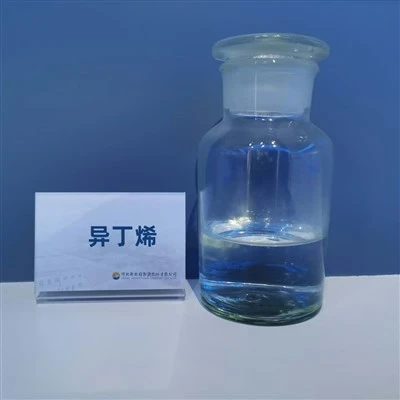
Let’s start with a quick, plain-language breakdown of what alkylphenol intermediates are, because I don’t want to throw jargon around without context. Simply put, alkylphenols are organic compounds made by bonding an alkyl group (a chain of carbon and hydrogen, derived from petroleum or natural gas feedstocks) to a phenol ring. As an intermediate, that means they aren’t the final adhesive product—instead, they’re a key raw material that gets reacted, modified, and combined with other chemicals to make the base resins that adhesives are built from. I’ve worked with different grades of alkylphenols over the years: nonylphenol, octylphenol, dodecylphenol, and even mixed alkylphenols tailored for specific adhesive applications. Each has a slightly different molecular structure, and that structure directly shapes the properties of the final adhesive.
Now, why does that matter for adhesives specifically? Adhesives aren’t one-size-fits-all. The glue that sticks a post-it note to a notebook is way different from the construction adhesive used to bond roof panels, the hot melt glue used in packaging lines, or the pressure-sensitive adhesive (PSA) on a medical bandage. Each of these adhesives needs different traits: flexibility, tensile strength, resistance to moisture, ability to stick to different surfaces (paper, metal, plastic, concrete), or stability in extreme temperatures. Alkylphenol intermediates are at the heart of tuning all those properties.
Let’s go into the most common adhesive types to show that connection, because numbers and specific use cases make this real for anyone who’s in the adhesive business or uses these products daily. First, phenol-formaldehyde (phenolic) resins are the oldest, most widespread resin class derived from alkylphenol intermediates. Phenolic adhesives are known for being super strong, heat-resistant, and rigid—perfect for applications that need durability. For example, in wood panel manufacturing (think plywood, particleboard, MDF), phenolic resins bind wood fibers together to make panels that don’t warp, even when exposed to humidity or heat. Here, nonylphenol is a go-to alkylphenol intermediate: when reacted with formaldehyde, it creates a phenolic resin with better cross-linking (the chemical bonds that hold the resin’s structure together) than unmodified phenol resins. That cross-linking means the final adhesive can withstand temperatures up to 150°C without breaking down—critical for exterior woodwork or kitchen cabinetry that might get exposed to steam. I supply nonylphenol intermediates to several medium-sized wood panel manufacturers in the U.S. Midwest, and they tell me switching to our high-purity grade cut their adhesive waste by 8% last year because our alkylphenols have fewer impurities that mess up the resin curing process.
Next up, pressure-sensitive adhesives (PSAs)—the ones that stick when you apply light pressure, like tape, labels, and bandages. PSAs need to be both tacky (sticky to the touch) and have enough cohesive strength (internal chemical bond strength) to not leave residue when you peel them off. That balance is exactly where alkylphenol intermediates come in. Most PSAs are made from acrylic resins, but modifying those acrylics with alkylphenol-derived resins, like alkylphenol formaldehyde (APFO) resins, adjusts the tack and strength perfectly. For example, a PSA for shipping labels needs to stick to corrugated cardboard through rain, cold, and rough handling, but also peel off cleanly when you open a package. Adding dodecylphenol (a long-chain alkylphenol) intermediate to the acrylic resin gives the PSA extra adhesion to porous surfaces and resistance to humidity, while keeping it flexible enough to peel without tearing the label. I recently worked with a packaging adhesive manufacturer who was struggling with labels falling off refrigerated shipments; switching our octylphenol-based APFO resin as the intermediate fixed that, because the shorter alkyl chain in octylphenol gives the adhesive better low-temperature performance. That’s the kind of difference that matters to production lines and end customers.
Then there’s hot melt adhesives, which are melted and applied to surfaces as a liquid, then solidify as they cool—super common in corrugated packaging, disposable products like diapers, and automotive assembly. Hot melts are usually made from a mix of base polymers, tackifiers, and stabilizers, and alkylphenol intermediates are key for both the tackifiers and the stabilizers. Alkylphenol-derived tackifiers (like the APFO resins I mentioned earlier) are compatible with the base polymers used in hot melts, so they adjust the adhesive’s viscosity to make it easy to apply, while keeping it sticky. Even more importantly, alkylphenol intermediates act as antioxidants in hot melts. Hot melts often break down when exposed to heat and oxygen during production, storage, or use, which makes them brittle and lose their adhesion. Adding an alkylphenol-based antioxidant (made directly from our intermediates) extends the adhesive’s shelf life and performance: a hot melt adhesive for disposable diapers needs to stay sticky long after the diaper is manufactured, sit in a warehouse for months, and not degrade when exposed to body heat. That’s all thanks to the antioxidant properties of the alkylphenol groups, which neutralize the oxygen that would otherwise break down the polymer chains.
I’d be remiss if I didn’t talk about specialty adhesives, because that’s where alkylphenol intermediates’ unique properties really shine. For example, structural adhesives used in aerospace and automotive manufacturing—these need to bond metal, plastic, and composite parts together with strength that matches or exceeds the parts themselves, and withstand extreme temperatures, vibration, and chemicals. Alkylphenol intermediates here are used to create epoxy resin modifiers, which improve the toughness and impact resistance of the final adhesive. In the automotive industry, structural adhesives are replacing welds on some parts to cut weight and improve fuel efficiency, so they need to hold up to everything from road salt to engine heat. Our high-purity alkylphenol intermediates help formulators make epoxy modifiers that increase the adhesive’s tensile strength by 25% compared to standard modifiers, according to the testing one of our aerospace adhesive clients ran last year.
Now, let’s get real about the challenges in this space, because being a supplier means I see both the opportunities and the pain points that adhesive formulators face. A big one lately is regulatory pressure—more and more regions are limiting certain alkylphenols, especially nonylphenol ethoxylates (NPEs), because of environmental and health concerns. That means we as intermediates suppliers have had to innovate to provide compliant alternatives that still deliver the performance formulators need. For example, we’ve developed a line of linear alkylphenol intermediates that meet EU REACH and US EPA standards, while matching the adhesion and curing properties of traditional branched nonylphenols. I know that regulatory shifts can be stressful for adhesive manufacturers, who can’t afford to switch raw materials mid-production or risk non-compliant products. That’s why we invest so much in testing and documentation, to make sure our intermediates are compliant, consistent, and perform exactly as expected.
Another challenge is supply chain reliability. Adhesive manufacturers work on tight production schedules, so if their key intermediate supplier runs out of stock or delivers low-quality material, it can shut down an entire production line. That’s why we built our facilities to have multiple production lines, strict quality control checks at every step, and reliable feedstock partnerships—so we can deliver consistent alkylphenol intermediates on time, every time. Last year, a key feedstock plant in the Gulf Coast had an unplanned outage, and we were able to shift production to our backup feedstock source and still meet all our client orders, which prevented a major adhesive manufacturer from missing their holiday packaging production deadline. That’s the kind of partnership we prioritize: not just selling chemicals, but being a reliable part of our clients’ supply chain.
As someone who’s been in this role for decades, I’ve watched the adhesive industry evolve from simple wood glues to high-tech materials used in everything from smartphones to wind turbines. And through all that change, alkylphenol intermediates have stayed a constant foundation. You can’t make a high-performance adhesive without them—there’s no alternative that delivers the same balance of strength, flexibility, resistance to environmental factors, and processability at scale. What has changed is how we make them, how we tailor them to specific applications, and how we adapt to regulatory and environmental needs.
If you’re an adhesive formulator, a manufacturer, or someone who needs a consistent, high-quality supply of alkylphenol intermediates for your production, I’d be glad to talk through your specific needs. Whether you’re working on a new hot melt for packaging, a structural adhesive for automotive parts, or a pressure-sensitive adhesive for labels, we can provide tailored alkylphenol grades that meet your performance, compliance, and volume requirements.
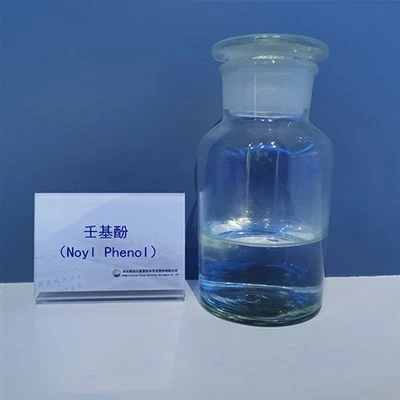
If you’re looking to source alkylphenol intermediates that are reliable, high-purity, and tailored to adhesive production needs, we’re here to help. Reach out to discuss your requirements and find the right solution for your operations.
Flame Retardants References
- Pizzi, A., & Mittal, K. L. (Eds.). (2003). Adhesive Chemistry and Volume 1: Adhesives Technology for Wood and Structural Applications. CRC Press.
- Satas, D. (1989). Handbook of Pressure Sensitive Adhesive Technology (2nd ed.). Van Nostrand Reinhold.
- Ebnesajjad, S. (2007). Adhesives Technology Handbook (2nd ed.). William Andrew Publishing.
- Ranjbar, Z., & Naeimirad, M. (2014). The effect of nonylphenol on the properties of epoxy-based pressure sensitive adhesives. Journal of Adhesion Science and Technology, 28(12), 1157-1168.
- European Chemicals Agency (ECHA). (2022). Annex XIV Registration Dossier for Nonylphenol and Nonylphenol Ethoxylates.
Hebei Xinxinyuan Energy Co., Ltd.
Hebei Xinxinyuan Energy Co., Ltd. is one of the most professional alkylphenol intermediates manufacturers and suppliers in China, featured by quality products and good price. Please rest assured to wholesale customized alkylphenol intermediates made in China here from our factory.
Address: Zhongjie Industrial Park, Huanghua City, Cangzhou City, Hebei Province, China
E-mail: atl2066@qq.com
WebSite: https://www.xinxinyuanfr.com/
