If you’ve ever watched a CNC steel bar shearing production line work, the part that makes the whole thing feel like it’s running like a well-oiled machine isn’t just the sharp blades that cut steel bars to exact lengths. It’s the feeding system—wait, no, actually, it’s not just one part, it’s a whole chain of moving pieces that work together before any shearing even happens. As someone who’s been supplying these lines for over a decade, I get that most folks new to the game (or even some who’ve been in the steel trade a while) don’t really think about the feeding system beyond “it feeds bars to the cutter.” Today, I want to break that down, keep it real, and show you why this part is the unsung hero of the whole line. CNC Steel Bar Shearing Production Line
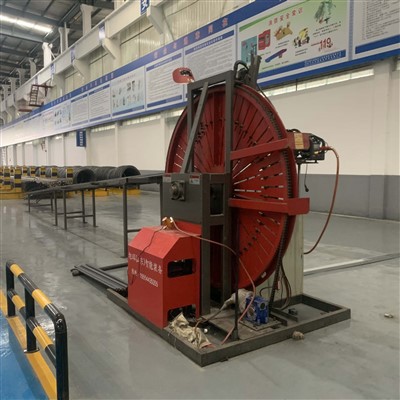
Let’s start with what the feeding system actually does, because it’s not as simple as shoving a bar toward a blade. The goal is to get raw steel bars (they can be round, square, deformed—all the common types for construction, manufacturing, etc.) into the shearing station, hold them tight without slipping, and make sure each cut is exactly where it needs to be, every single time. If the feeding is off by even a millimeter, you’ve got scrap, wasted time, and frustrated workers. I’ve seen it happen more times than I care to count—someone skimps on the feeding system to save a few bucks, and then the whole line slows down so much they end up losing money anyway.
First, let’s talk about the raw feed stock because that dictates what the system needs to handle. Most suppliers get steel bars in bundles, right? Like, 20 or 30 bars tied together, maybe 6 to 12 meters long. So the very first step is usually a bar unstacker, or sometimes a roller conveyor that feeds one bar at a time. Wait, not all lines use bundles—some work with loose bars, but 9 times out of 10, it’s bundles. The unstacker has to gently pull one bar out of the bundle without yanking the whole thing apart, because if you mess up the first bar, the whole line jams. A lot of cheap lines use a simple pneumatic clamp here, but the good ones (the ones we supply) use a variable-speed roller feed with a sensor that detects when a single bar is pulled free, so it doesn’t take two by accident. That might sound like overkill, but trust me, when you’re running 100 bars an hour, avoiding a jam is worth every extra dollar.
Next up is the aligning unit. Steel bars aren’t perfect—they’re slightly bent, or their ends are a little uneven from being cut at the mill. If you send a bent bar through the shearing station, it’s going to throw off the cut length, or even damage the blade. The aligning part of the feeding system fixes that. It uses side rollers that push the bar straight, or in some cases, a set of V-groove guides that cradle the bar so it can’t twist as it moves. We’ve found that for deformed bars (the kind with ridges for concrete reinforcement), V-grooves work better because the ridges catch on flat guides, so the V-groove lets them slide smoothly without snagging. That small detail cuts down on wear and tear way more than people think.
Once the bar is straight, it’s time for the positioning and clamping part—this is where the CNC magic really kicks in. The feeding system here has a servo-driven pusher, right? Because servos are precise, way better than old hydraulic pushers that have slack and need constant adjustment. The servo takes the exact length you programmed—say, 2 meters—and moves the bar to that spot, then clamps it in place with a set of hydraulic jaws. Wait, why not pneumatic clamps here? Pneumatics are faster, but they don’t hold as much pressure, especially for thicker bars (like 40mm diameter for heavy construction). Hydraulic clamps give you consistent, strong grip so the bar doesn’t shift when the shearing blade comes down. I’ve had customers tell us they switched from pneumatic to hydraulic clamping after a batch of 500 bars had 10% off-length cuts because the clamp slipped. That’s the kind of mistake you avoid with a good feeding system.
But here’s the thing: the feeding system doesn’t just move one bar at a time. Some lines do continuous feeding, right? For bars that are going to be cut into multiple pieces, the system can move the bar incrementally—after each cut, it pushes it forward just enough for the next cut. That’s way faster than stopping the bar every time. The key here is the feedback from sensors. We use laser or optical sensors that check the bar’s position 10 times a second, so if there’s any deviation, the servo adjusts instantly. No more waiting for a worker to measure, no more human error. That’s the biggest advantage of a CNC feeding system over a manual one—consistency, hour after hour, shift after shift.
Wait, let’s get into the nitty-gritty of what goes wrong with cheap feeding systems, because that’s why our customers come to us. A lot of budget lines cut corners on the load capacity. If you’re feeding 12-meter bars that weigh 50kg each, a cheap roller conveyor will bend under the load, making the bar sag, which throws off positioning. Or they’ll use motors that are underpowered, so when you push a heavy bar, it slows down, leading to incorrect cuts. We spec our feeding systems with motors that are 20% over the required load, just to give that extra buffer, and heavy-duty steel rollers that don’t bend. It’s not rocket science, but it’s the kind of thing that makes a line run for 10 years without major feeding issues, vs. 3 years before it starts jamming every other day.
Another part of the feeding system people don’t talk about is the scrap handling. When you cut a bar, there’s usually a little leftover end—like, if your bar is 12 meters and you need 2-meter pieces, the leftover is 2 meters too, wait no, math checks out, but sometimes the last piece is short. That scrap end has to be removed so it doesn’t jam the next bar. The feeding system has a scrap ejector, usually a hydraulic push arm that kicks the leftover off the line before the next bar comes in. Some cheap lines skip this, so scrap builds up and you have to stop the line to clean it. Our system syncs the ejector with the shearing cycle, so it’s automatic—no worker needed, no downtime.
Let me share a real example, because I hate talking in hypotheticals. Last year, a construction company in Texas called us. They had an old line that was 15 years old, and the feeding system was a mess. They were running 16mm deformed bars for highway rebar, and they were getting 8-10% scrap because of positioning errors. They tried fixing it with a new CNC controller, but that didn’t help because the feeding rollers were worn down, so when the servo pushed the bar, it slipped on the smooth rollers. We replaced their entire feeding system—new rollers, servo pusher, hydraulic clamping, scrap ejector. In the first month, their scrap rate dropped to less than 1%, and their line output went up by 25%. They saved enough in scrap and extra production to pay for the whole system in 6 weeks. That’s the kind of result that makes all the details matter.
Wait, what about different bar types? The feeding system has to be flexible, right? A lot of our customers don’t just run one size of bar—they might do 10mm rebar one day, 30mm round bar the next, for different projects. So our feeding system has quick-change guides. No tools needed, basically. You just adjust the V-grooves or the clamps to fit the new bar size in less than a minute. Some cheap lines have guides that need bolts and wrenches, so changing sizes takes 10 minutes, which kills productivity. Quick-change is a non-negotiable for any modern line, in my book.
Let’s also address the tech side, because CNC means the feeding system talks to the whole line. It’s connected to the HMI (human-machine interface) so you just input the cut lengths, number of pieces, bar size, and the feeding system does all the work. No need to set parameters manually. If you need to change a cut from 2m to 1.8m, you just type it in, and the servo adjusts. That’s a huge time saver, especially for custom orders.
Now, let’s get to the part I know a lot of you are thinking: “Is the feeding system worth spending extra on?” Short answer: yes. The feeding system is the bottleneck of the whole line. If it’s slow or inaccurate, the entire line is slow and inaccurate. I’ve seen customers buy a whole line for $50k, then have to replace the feeding system 2 years later for $20k, because they cheaped out first. It’s way better to invest in a good feeding system upfront. That’s why when we supply CNC steel bar shearing lines, we don’t just throw in a basic feeding unit—we build the feeding system to match the shearing station’s capacity, so they work as one, not two separate parts.
Let’s wrap this up with what makes a good feeding system, in case you’re in the market. First, it needs variable-speed servo drives for precise positioning, no slipping, no slack. Second, heavy-duty rollers and clamps that can handle your bar sizes and weights, no bending or sagging. Third, quick-change guides for different bar types, so you don’t lose time switching jobs. Fourth, integrated scrap handling to avoid jams and downtime. And fifth, sync with the CNC controller so the whole line works in harmony.
At the end of the day, the feeding system is what makes a CNC steel bar shearing line actually CNC. Without it, you’re just a bar and a blade, guessing where to cut. The feeding system takes the guesswork out, makes every cut accurate, and keeps your line running at full speed. If you’re looking to upgrade your line, or set up a new production line, I get that there’s a lot to think about, especially when it comes to something as critical as the feeding system.

If you have questions about feeding systems, or want to talk about what would work for your specific operations, feel free to reach out. We’ve helped hundreds of steel fabricators, construction companies, and manufacturing outfits get lines that run smoothly, with minimal scrap and maximum output. No hard sales pitches, just real advice from someone who’s been in this game long enough to know what works and what doesn’t.
Steel Cage Winding Machine References:
- Steel Fabrication Machinery Association. (2022). "Key Components of Automated Bar Processing Lines." Industrial Machinery Report.
- CNC Systems Magazine. (2021). "Servo-Driven Feeding Solutions for Metalworking Applications." Issue 14, pp. 22-27.
- Journal of Construction Metal Processing. (2020). "Reducing Scrap Rates in Rebar Shearing Through Improved Feeding System Design." Volume 8, Issue 3, pp. 45-52.
Xuhui (Shandong) Intelligent Equipment Co., Ltd.
Xuhui (Shandong) Intelligent Equipment Co., Ltd. is one of the most professional cnc steel bar shearing production line manufacturers and suppliers in China. Please feel free to wholesale high quality machines made in China here and get quotation from our factory. Contact us for customized service.
Address: Industrial Park, Hetaoyuan Town, Juye County, Heze City, Shandong Province, China.
E-mail: yue@xuhuijx.com
WebSite: https://www.xuhuiintelligent.com/
