Hey there, if you’ve ever dealt with underground mining, tunneling, or rock stabilization, you know how much a cable bolt releasing tool matters. That little gadget’s job is so simple—untangling or releasing those heavy-duty cable bolts that keep rock walls stable—but when one part breaks, the whole thing’s useless, right? I run a small-but-reliable cable bolt releasing tools supply business, so I get the frustration when a part snaps or wears out last minute. Maybe you’re out on a job site at 6 a.m., half your crew’s waiting, and you’re staring at a broken tool thinking, “Where the hell do I even get a replacement for this?” Trust me, I’ve been there. I’ve helped miners, tunneling contractors, even some small-scale rock stabilization teams track down parts before, and today I’m spilling the real tea on where to look—plus the mistakes to skip along the way. Cable bolt releasing tools

First off, let’s get one thing straight: not all cable bolt releasing tools are created equal. Some are basic, cheap ones you buy off a no-name online marketplace, and others are heavy-duty, custom-built for high-stress mining sites. The replacement part hunt changes depending on which camp you’re in, so I’m breaking this down so you don’t waste time. Let’s start with the most obvious, but also the most overlooked—your original tool manufacturer. Wait, I know what you’re thinking: “I bought this thing three years ago from a random seller on Alibaba, so how do I find their contact?” That’s fair. But if you actually remember who sold it, or have any old packaging, a part number, even a serial number scrawled on the tool itself, hit ‘em up. Most legit tool makers keep a parts list for at least 5-7 years, especially if their stuff’s used in super dangerous industries like mining. A lot of the time, they’ll send you a replacement part for way less than a random third-party, and it’ll fit perfectly—no janky modifications needed. Last month, I had a guy from West Virginia who bought a basic tool years ago from a small U.S. manufacturer, and they still had the spring for the release lever in stock, no questions asked. The trick here: don’t wait until the part’s totally gone to look. Grab a phone pic of the broken part, measure it if you can, and note any markings before you reach out. That cuts the confusion by like 80%.
Now, if your original seller’s MIA—like the tool was a cheap, no-name import, or the company went under—don’t panic. Next up, cable bolt releasing tool specialty suppliers. Wait, I run one, so I’m biased, but hear me out. The thing about us is, we don’t just sell full tools—we stock the exact replacement parts for almost every standard tool we’ve ever carried, plus a lot of parts for tools from other brands. We work with mining and tunneling crews every single day, so we know that a broken release pin or a worn hex drive can shut down a job. We keep common parts like replacement jaws, release springs, pin retainers, and even the small O-rings that keep hydraulic seals tight in stock at all times. Why is this better than Amazon or some random hardware store? Because hardware store stuff’s generic. A random bolt might fit, but it’ll corrode in six months from the dust and moisture on a mine site. Specialty suppliers build their parts to hold up to that exact harsh environment. I once had a customer who tried using a standard metal pin from a local auto parts store, and it snapped mid-job, almost knocking a guy’s tool out of his hand. Ours? He’s had it in use for two years straight, no issues. Another pro tip here: if you’re not sure which part you need, shoot us a pic or a video of the broken tool in action. We’ll help you ID it, no fine print, no upselling you on a whole new tool unless you actually need one.
What if you’re on a super tight budget, or you just need a one-off part for a tool that’s so old, even specialty suppliers don’t stock it? Then hit up industrial salvage yards. Wait, industrial salvage isn’t just for old machinery parts—it’s a goldmine for cable bolt tool components. A lot of mining companies and construction firms replace their tools every few years, but not because the parts are broken—they just want newer models. Those old tools get tossed or sold to salvage yards, and people like me often pick through ‘em to grab extra parts. The key here is to go with a salvage yard that deals specifically with mining or tunneling gear, not just general industrial stuff. General salvage might have a random old drill, but mining-specific yards will have old cable bolt tools sitting around. When you go, bring that pic and measurements of the part you need, and don’t be afraid to ask. A lot of the guys running these yards are ex-miners or ex-contractors, so they get exactly why you need that specific part, not a close substitute. I once found a set of replacement jaws for a super old 2018 tool at a salvage yard in Colorado for $12—would’ve cost me $40 if I ordered from a specialty supplier. The catch here: you gotta be patient. Salvage yards aren’t online 24/7, and parts might not always be there when you need ‘em. So leave your contact info, and ask if they can let you know if something similar comes in. They usually will.
Now, let’s talk about the places you should skip, ‘cause they’ll just waste your time and money. First, big-box online marketplaces like Amazon or eBay, especially the no-name sellers. I’ve seen guys buy “universal” replacement jaws that didn’t fit, or a spring that was a half-inch too short, and ended up having to drive 2 hours to a job site with a useless tool. The “universal” label here is a lie—cable bolt tools are too specific. Second, regular hardware stores. Yeah, they have bolts and springs, but they’re made for home repairs, not rock dust and constant heavy use. I had a guy last month who bought a set of stainless steel bolts from Home Depot, and they rusted so bad in two weeks he had to replace ‘em again. Third, random random part suppliers that don’t deal with mining or tunneling gear. They’ll say they have it, but they don’t know what a cable bolt releasing tool even is, so they’ll send you the wrong part. Save yourself the headache and stick to the places that specialize.
Wait, but what if you’re not sure if you need a replacement part or a whole new tool? That’s a common call, so let’s break it down. If it’s a minor part—like a release spring, a pin retainer, or a small O-ring—definitely go for a replacement part. Those are cheap, take 24-48 hours to ship, and you can fix the tool in 5 minutes. If it’s a bigger part—like the jaw assembly that actually grips the cable bolt, or the drive shaft that turns the tool—then it’s worth comparing the cost of a replacement part vs. a whole new tool. A lot of the time, a new tool only costs a bit more than a big replacement part, and it’ll come with a warranty, which is way better than patching up an old one. I always tell customers: if the tool’s over 10 years old and already had one part replaced, just get a new one. You’ll save more money in the long run on downtime and repairs.
Another thing I wish more people knew: regular maintenance stops most replacement part headaches. A $5 O-ring changing every 6 months is way cheaper than a $500 replacement tool because the hydraulic seal corroded. I tell all my customers to grab a parts kit when they buy a new tool—most specialty suppliers sell ‘em for like 10% of the tool’s cost, and they have all the small, wear-and-tear parts you’ll need down the line. Also, don’t leave your tools out in the rain or buried in dust between jobs. Wipe ‘em down with a rag every few weeks, spray a little WD-40 on the moving parts, and store ‘em in a dry bin. That’ll make parts last 2-3 times longer.
Let me leave you with a real example, ‘cause I hate vague advice. Last quarter, I had a crew in Utah whose tool’s release pin broke 2 hours into a tunnel job. They tried Amazon, hardware stores, and even called a mining supply chain that didn’t know what they were talking about. They messaged me at 8 p.m. complaining, sent a pic of the broken pin, and I had a replacement pin in the mail to their job site by 9 a.m. the next day. Total cost was $8, and they were back to work by lunch. That’s the kind of thing I live for—helping crews not lose money because of a broken part.
So, to wrap this up: first, check your original manufacturer or seller if you have their info—they’ll give you the exact part that fits. If they’re gone, hit up a specialty cable bolt tool supplier, like us, ‘cause we stock the parts you need, built for the job site. If those don’t work, try mining-specific industrial salvage yards, and always bring that pic and measurements. Skip the generic online marketplaces and hardware stores—they’ll just waste your time and money. And don’t forget maintenance, ‘cause it’s way easier to prevent a broken part than fix it after it’s already broken.
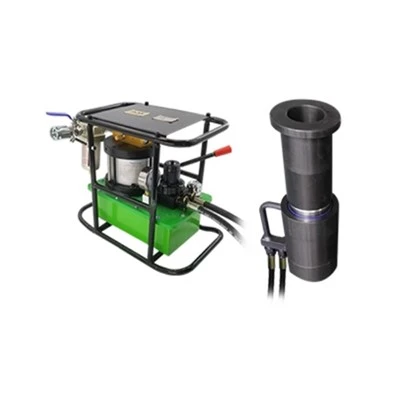
If you’re stuck right now, or you just need to stock up on parts for future jobs, hit us up. We’re here 24/7 for crews like yours, no hoops to jump through, no sales pitches for stuff you don’t need. Just real, straight-up answers to your part questions.
Pneumatic Roof Bolters & Drills References:
- International Society for Rock Mechanics and Rock Engineering. (2021). Recommended Practices for Cable Bolt Installation and Maintenance in Underground Mines.
- Mining Equipment Manufacturers Association. (2022). Parts Replacement Guidelines for Underground Construction Tools.
- U.S. Department of Labor, Mine Safety and Health Administration. (2023). Tool Maintenance Best Practices for Underground Mining Operations.
- Industrial Asset Recycling Association. (2022). Salvage Strategies for Heavy Equipment Components in Mining and Tunneling.
Changzhou Truyou Mining Equipment Co., Ltd.
Address: No. 186 Hongxi Road, Niutang Town, Wujin District, Changzhou City, Jiangsu Province
E-mail: info@truyoucoalmining.com
WebSite: https://www.truyoucoalmining.com/
