When it comes to installing steel flanges, safety is of paramount importance. As a steel flange supplier, I’ve seen firsthand the consequences of overlooking safety precautions during the installation process. In this blog, I’ll share some essential safety measures that should be taken when installing steel flanges to ensure a secure and successful installation. Steel Flange

Pre – installation Safety Checks
Before starting the installation of steel flanges, a series of pre – installation safety checks are necessary.
Material Inspection
First and foremost, thoroughly inspect the steel flanges. Check for any visible defects such as cracks, porosity, or uneven surfaces. These flaws can compromise the integrity of the flange and lead to leaks or failures during operation. For example, a crack in the flange can expand under pressure, causing a significant safety hazard. As a supplier, I always ensure that the flanges I provide meet strict quality standards, but it’s still crucial for installers to conduct their own inspections.
Measuring and Matching
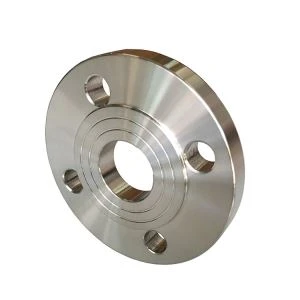
Accurately measure the flange dimensions, including the diameter, bolt hole size, and pitch circle diameter. Ensure that the flanges match the pipes they are intended to connect. A mismatch can result in improper alignment, which not only makes the installation difficult but also increases the risk of leakage. For instance, if the bolt holes in the flange do not align correctly with those in the pipe, excessive force may be applied during installation, which can damage the flange and the pipe.
Environment Assessment
Evaluate the installation environment. Consider factors such as temperature, humidity, and the presence of corrosive substances. Extreme temperatures can affect the material properties of the steel flanges. High temperatures may cause the flange to expand, while low temperatures can make the steel more brittle. Corrosive substances can gradually eat away at the flange, reducing its strength over time. If the installation site is in a corrosive environment, appropriate protective coatings should be applied to the flanges.
Personal Protective Equipment (PPE)
Wearing the right personal protective equipment is non – negotiable during the installation of steel flanges.
Safety Gloves
Safety gloves are essential to protect your hands from sharp edges on the flanges and pipes. Steel flanges can have rough and sharp surfaces, which can easily cut or puncture your skin. Gloves also provide a better grip, reducing the risk of dropping the flange during installation.
Safety Goggles
Safety goggles protect your eyes from debris, dust, and metal shavings that may be generated during the installation process. When drilling holes or tightening bolts, small particles can fly into your eyes, causing serious injuries.
Hard Hats
Hard hats are necessary to protect your head from falling objects. In a construction or industrial setting, there is always a risk of tools or materials being dropped from above. A hard hat can prevent serious head injuries.
Steel – toed Boots
Steel – toed boots protect your feet from heavy objects that may accidentally fall on them. When moving and positioning steel flanges, there is a chance that a flange or a tool could drop onto your foot, and steel – toed boots can absorb the impact and prevent fractures.
Installation Process Safety
During the actual installation of steel flanges, several safety precautions should be followed.
Lifting and Handling
Proper lifting and handling techniques are crucial. Use appropriate lifting equipment such as cranes or hoists to lift heavy steel flanges. Make sure the lifting equipment is in good working condition and rated for the weight of the flange. When lifting, ensure that the flange is balanced and secured to prevent it from swinging or falling. For example, if a flange is not properly secured during lifting, it can swing and hit nearby workers or equipment, causing serious damage and injuries.
Bolt Tightening
When tightening the bolts on the steel flanges, use the correct torque values. Over – tightening or under – tightening the bolts can lead to problems. Over – tightening can cause the flange to deform, while under – tightening can result in leaks. Use a torque wrench to ensure that the bolts are tightened to the specified torque. Follow the manufacturer’s recommendations for the torque sequence as well. Usually, the bolts should be tightened in a cross – pattern to ensure even distribution of stress.
Welding (if applicable)
If welding is required during the installation of steel flanges, take extra safety precautions. Welding generates intense heat, sparks, and fumes. Wear appropriate welding gear, including a welding helmet, welding gloves, and a welding apron. Ensure proper ventilation in the welding area to prevent the inhalation of harmful fumes. Before welding, clean the surfaces of the flange and the pipe to be welded to ensure a good weld joint.
Alignment
Proper alignment of the flanges is essential. Use alignment tools such as alignment pins or laser alignment devices. Misaligned flanges can cause uneven stress distribution, leading to premature failure. When aligning the flanges, make sure that the faces of the flanges are parallel and the bolt holes are properly aligned.
Post – installation Safety Checks
After the installation of steel flanges is complete, conduct a series of post – installation safety checks.
Leak Testing
Perform a leak test to ensure that there are no leaks in the flange connection. This can be done by pressurizing the system and checking for any signs of leakage, such as bubbles or drops of fluid. If a leak is detected, identify the source and take appropriate measures to fix it, such as tightening the bolts or replacing the gasket.
Visual Inspection
Conduct a visual inspection of the installed flanges. Check for any signs of damage, such as cracks or deformation. Look at the gasket to ensure that it is properly seated and not damaged. Also, check the tightness of the bolts to make sure they have not loosened during the installation process.
Documentation
Keep detailed documentation of the installation process, including the inspection results, torque values, and any repairs or adjustments made. This documentation can be useful for future maintenance and troubleshooting.
Conclusion
Carbon Steel Flange Installing steel flanges safely requires careful planning, proper inspection, the use of appropriate personal protective equipment, and strict adherence to safety procedures during the installation process. As a steel flange supplier, I am committed to providing high – quality products and sharing safety knowledge with my customers. If you are in need of steel flanges or have any questions about their installation, please feel free to contact me for further discussions. We can work together to ensure that your projects are completed safely and successfully.
References
- "Handbook of Steel Flanges and Fittings"
- "Safety Standards for Industrial Pipe Installation"
- "Materials Science and Engineering of Steel Flanges"
Cangzhou Hangxin Flange Co., Ltd.
As one of the most professional steel flange manufacturers and suppliers in China, our products have good reputation in the market. Please feel free to buy high quality steel flange at competitive price from our factory. Good service and punctual delivery are available.
Address: DingZhuangZi Industrial Zone, Mengcun County, Cangzhou City, Hebei Province, China
E-mail: admin@yongxingflange.com
WebSite: https://www.hx-flangefitting.com/
