As a seasoned supplier in the LED power supply industry, I am often inundated with inquiries regarding the maintenance requirements of our LED power supplies. This topic is of utmost importance, not only for end – users seeking to maximize the lifespan of their lighting systems but also for businesses aiming to streamline their operations and cut down on unnecessary costs. LED Power Supply

Understanding the Basics of an LED Power Supply
Before delving into the maintenance requirements, it’s essential to understand what an LED power supply is and how it functions. An LED power supply, also known as a driver, is an electrical device that converts the incoming AC (alternating current) power from the mains into DC (direct current) power suitable for LEDs. This conversion is crucial because LEDs are sensitive to voltage fluctuations and require a stable and regulated power source to function efficiently.
Our LED power supplies are designed with high – quality components and advanced circuit designs to ensure reliability and performance. They are built to withstand various environmental conditions and electrical stresses, but like any electronic device, they do have certain maintenance needs.
Environmental Considerations
One of the primary factors affecting the maintenance requirements of an LED power supply is the environment in which it operates. Extreme temperatures, high humidity, dust, and corrosive substances can all have a negative impact on the power supply’s performance and lifespan.
In high – temperature environments, the internal components of the power supply can overheat, leading to a decrease in efficiency and potentially causing premature failure. To mitigate this risk, it’s important to ensure proper ventilation around the power supply. Make sure that there is enough space around the power supply for air to circulate freely. For installations in enclosed spaces, consider using fans or heat sinks to dissipate heat.
Humidity is another environmental factor to watch out for. High humidity can cause condensation inside the power supply, which can lead to short – circuits and corrosion of the internal components. In areas with high humidity levels, it’s advisable to use power supplies with proper moisture – proofing or enclosure. Additionally, periodic inspections should be carried out to check for any signs of moisture damage.
Dust and other particulate matter can accumulate on the power supply’s components, blocking the ventilation paths and causing overheating. Regular cleaning of the power supply can help prevent this issue. Use a soft, dry brush to gently remove dust from the exterior and ventilation openings. For more thorough cleaning, compressed air can be used, but be careful not to blow dust into the internal components.
In corrosive environments, such as industrial settings or coastal areas, the power supply can be exposed to chemicals and saltwater mist. In these cases, it’s crucial to choose power supplies that are specifically designed for such environments. These power supplies often have special coatings or enclosures to protect the internal components from corrosion.
Electrical Maintenance
Proper electrical maintenance is also crucial for the longevity of an LED power supply. This includes checking the input and output voltages regularly to ensure that they are within the specified range. Overvoltage or undervoltage conditions can cause damage to the power supply and the connected LEDs.
When testing the input voltage, use a reliable multimeter to measure the voltage at the power supply’s input terminals. Compare the measured value with the rated input voltage of the power supply. If the input voltage is outside the allowable range, investigate the cause, such as a faulty electrical supply or a problem with the electrical wiring.
Similarly, the output voltage should be monitored to ensure that it is providing the correct voltage to the LEDs. Fluctuations in the output voltage can cause the LEDs to flicker or have inconsistent brightness. If the output voltage is not stable, it may indicate a problem with the power supply’s internal voltage regulation circuit.
In addition to voltage monitoring, it’s important to check for any signs of electrical arcing or short – circuits. Inspect the power supply’s wiring connections for loose or damaged wires. Loose connections can cause overheating and electrical arcing, which can lead to a fire hazard. If any loose connections are found, they should be tightened immediately.
Component – Level Maintenance
Over time, certain components in the LED power supply may wear out or fail. Capacitors, for example, are a common component that can degrade over time, especially in high – temperature environments. A failed capacitor can cause the power supply to malfunction or even stop working altogether.
To detect capacitor failure, look for physical signs such as bulging, leaking, or a burnt smell. If a faulty capacitor is found, it should be replaced with a capacitor of the same specifications. However, replacing components at the component level requires a certain level of technical expertise, so it’s recommended that this be done by a qualified technician.
Other components, such as diodes, resistors, and transistors, can also fail. Regular visual inspections of the power supply’s printed circuit board (PCB) can help identify any signs of component failure, such as blackened or charred components. If any faulty components are detected, they should be replaced promptly to prevent further damage to the power supply.
Regular Inspections and Testing
Regular inspections and testing are essential for ensuring the proper functioning of an LED power supply. A comprehensive inspection schedule should be established based on the usage environment and the criticality of the lighting system.
During inspections, check for any visible signs of damage, such as cracks in the enclosure, loose screws, or burnt components. Also, listen for any abnormal sounds, such as buzzing or humming, which could indicate a problem with the power supply.
In addition to visual inspections, periodic electrical testing should be carried out. This includes testing the input and output voltages, as well as measuring the power consumption of the power supply. By comparing the test results over time, any trends or changes in the power supply’s performance can be detected early, allowing for timely maintenance or replacement.
The Importance of Proper Maintenance
Proper maintenance of an LED power supply offers several benefits. Firstly, it can extend the lifespan of the power supply, reducing the need for frequent replacements. This not only saves money on replacement costs but also minimizes downtime associated with power supply failures.
Secondly, well – maintained power supplies can improve the performance of the LED lighting system. By ensuring stable and regulated power output, the LEDs can provide consistent brightness and color, enhancing the overall lighting quality.
Finally, regular maintenance can enhance safety. By detecting and addressing potential electrical hazards, such as loose connections or component failures, the risk of electrical fires and other safety incidents can be significantly reduced.
Conclusion
In conclusion, while LED power supplies are generally reliable and require less maintenance compared to traditional lighting power supplies, they do have certain maintenance requirements. By considering environmental factors, performing regular electrical and component – level maintenance, and establishing a comprehensive inspection and testing schedule, the lifespan and performance of LED power supplies can be maximized.
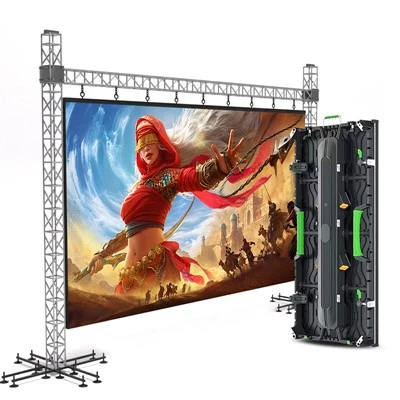
Outdoor LED Display If you are in the market for high – quality LED power supplies or need more information on their maintenance, I encourage you to reach out to us. Our team of experts is ready to provide you with the best solutions tailored to your specific needs. Whether you are a small business owner looking to upgrade your lighting system or a large – scale industrial facility in need of reliable power supplies, we have the products and knowledge to support you. Contact us today to start a discussion about your requirements.
References
- "LED Lighting Handbook" – A comprehensive guide on LED technology and its associated components, including power supplies.
- Industry standards and guidelines published by relevant electrical and lighting associations, which provide detailed information on the design, installation, and maintenance of LED power supplies.
Shenzhen Starcolor Optoelectronics Co., Ltd.
As one of the most professional led power supply manufacturers and suppliers in China, we’re featured by quality products and good price. Please rest assured to wholesale discount led power supply in stock here from our factory. Customized orders are welcome.
Address: 2nd floor, Building A, Hongjingda Industrial Park, Shiyan town, Bao’an District, Shenzhen
E-mail: starcolorled@outlook.com
WebSite: https://www.starcolordisplay.com/
