Ventilation in a steel workshop is a topic that often goes unnoticed until problems arise. As a seasoned supplier in the steel workshop industry, I’ve witnessed firsthand the critical role that proper ventilation plays in the overall efficiency, safety, and longevity of these facilities. In this blog, I’ll delve into the multifaceted importance of ventilation in a steel workshop, drawing from my years of experience and industry knowledge. Steel Workshop

Health and Safety of Workers
The well – being of workers is paramount in any industrial setting, and a steel workshop is no exception. Steel production processes generate a variety of harmful substances, including dust, fumes, and gases. For example, during welding operations, toxic fumes such as manganese, chromium, and nickel are released. Prolonged exposure to these fumes can lead to serious health issues, including respiratory problems, lung diseases, and even cancer.
Ventilation systems help to remove these hazardous substances from the air, reducing the risk of inhalation and exposure for workers. By maintaining a clean and breathable environment, proper ventilation can significantly improve the health and safety of the workforce. This not only reduces the incidence of workplace illnesses and injuries but also boosts employee morale and productivity. Workers who feel safe and comfortable in their workplace are more likely to be motivated and perform at their best.
Fire and Explosion Prevention
Steel workshops often involve the use of flammable materials and high – temperature processes, which pose a significant fire and explosion risk. For instance, oil – based lubricants, solvents, and gases used in cutting and welding operations are highly flammable. In addition, the accumulation of combustible dust, such as iron filings and steel particles, can create an explosive atmosphere if not properly managed.
Ventilation systems play a crucial role in preventing fires and explosions by removing flammable vapors, gases, and dust from the workshop. By diluting and dispersing these substances, ventilation helps to keep their concentrations below the explosive limits. This reduces the likelihood of ignition and minimizes the potential for a catastrophic event. Moreover, proper ventilation can also help to control the spread of fire by removing heat and smoke from the area.
Equipment Performance and Longevity
The machinery and equipment used in a steel workshop are expensive investments, and their performance and longevity are directly affected by the working environment. High levels of dust and fumes can cause premature wear and tear on equipment, leading to increased maintenance costs and downtime. For example, dust can accumulate on electrical components, causing short circuits and malfunctions. Fumes can corrode metal parts, reducing their strength and durability.
Ventilation systems help to protect equipment by keeping the air clean and free of contaminants. By removing dust and fumes, ventilation reduces the amount of debris that can enter and damage machinery. This extends the lifespan of equipment, reduces maintenance requirements, and improves overall operational efficiency. In addition, proper ventilation can also help to regulate the temperature and humidity in the workshop, creating a more stable environment for equipment operation.
Product Quality
In a steel workshop, product quality is directly related to the working conditions. Dust and fumes can contaminate the steel products during the manufacturing process, affecting their surface finish, strength, and integrity. For example, if dust particles settle on the surface of a welded joint, it can cause porosity and weakening of the joint. Similarly, fumes can react with the steel, altering its chemical composition and mechanical properties.
Ventilation systems help to ensure product quality by maintaining a clean and controlled environment. By removing dust and fumes, ventilation reduces the risk of contamination and ensures that the steel products meet the required standards. This is particularly important in industries where high – quality steel products are essential, such as automotive, aerospace, and construction.
Regulatory Compliance
In many countries, there are strict regulations and standards regarding workplace safety and environmental protection. Steel workshops are required to comply with these regulations to avoid fines, penalties, and legal liabilities. Ventilation is an important aspect of regulatory compliance, as it helps to control the emission of harmful substances and maintain a safe working environment.
For example, in the United States, the Occupational Safety and Health Administration (OSHA) has established standards for workplace air quality, including limits on the concentration of hazardous substances such as lead, asbestos, and welding fumes. Steel workshops must install and maintain ventilation systems that meet these standards to protect the health and safety of their workers. Similarly, environmental regulations require steel workshops to control the emission of pollutants into the atmosphere, and proper ventilation is an effective way to achieve this.
Energy Efficiency
While ventilation is essential for a steel workshop, it can also be a significant energy consumer. However, with the right design and implementation, ventilation systems can be made energy – efficient. For example, using energy – recovery ventilation systems can help to reduce the energy consumption of the workshop by recovering the heat from the exhaust air and using it to pre – heat the incoming fresh air.
In addition, proper ventilation system sizing and control can ensure that the system operates at optimal efficiency. By using sensors and controls to adjust the ventilation rate based on the actual demand, energy waste can be minimized. This not only reduces the operating costs of the workshop but also helps to reduce the environmental impact of the steel production process.
Conclusion
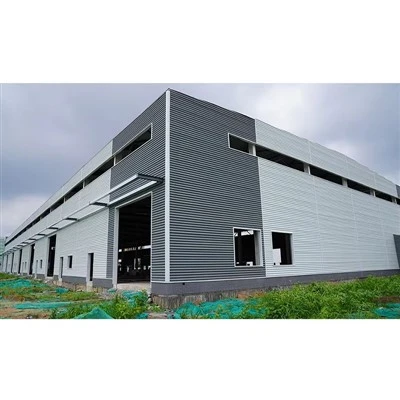
In conclusion, ventilation is of utmost importance in a steel workshop. It is essential for the health and safety of workers, fire and explosion prevention, equipment performance and longevity, product quality, regulatory compliance, and energy efficiency. As a steel workshop supplier, I strongly recommend that all steel workshop operators invest in high – quality ventilation systems and ensure that they are properly maintained and operated.
Steel Structure Bridge If you’re in the market for a reliable ventilation solution for your steel workshop, I invite you to reach out to me for a consultation. I have the expertise and experience to help you design and implement a ventilation system that meets your specific needs and requirements. Let’s work together to create a safe, efficient, and productive steel workshop environment.
References
- American Conference of Governmental Industrial Hygienists (ACGIH). "Threshold Limit Values (TLVs) for Chemical Substances and Physical Agents and Biological Exposure Indices (BEIs)." ACGIH, latest edition.
- Occupational Safety and Health Administration (OSHA). "Safety and Health Standards for General Industry." OSHA, latest edition.
- National Fire Protection Association (NFPA). "Fire Protection Standard for Steel Mills and Other Metal – Processing Plants." NFPA, latest edition.
Suzhou Wanyu Steel Structure Construction and Installation Engineering Co., Ltd.
With abundant experience, we are one of the most professional steel workshop manufacturers and suppliers in China. We warmly welcome you to buy customized steel workshop at competitive price from our factory. If you have any enquiry about pricelist, please feel free to email us.
Address: No. 78, Putian Road, Suzhou Industrial Park, Suzhou, Jiangsu Province
E-mail: Zhu@szwanyu.com
WebSite: https://www.wy-metalstructure.com/
