Quartz abrasive media is a versatile and widely used material in various industries, including metalworking, woodworking, glassmaking, and automotive manufacturing. As a supplier of quartz abrasive media, I’ve witnessed firsthand how the quality of this product can vary significantly, and understanding these variations is crucial for both suppliers and customers. In this blog, I’ll delve into the factors that influence the quality of quartz abrasive media, how these variations impact performance, and why choosing the right quality is essential. Quartz Abrasive Media
Purity of Quartz
The purity of quartz is one of the most critical factors affecting the quality of abrasive media. Quartz, a mineral composed of silicon and oxygen, is found in nature in different forms, with varying levels of impurities. High – purity quartz contains over 99% silicon dioxide (SiO₂), while lower – quality quartz may have a significant amount of contaminants such as aluminum, iron, and other minerals.
When used as an abrasive, high – purity quartz offers several advantages. First, it has a more uniform hardness and structure. This uniform composition allows for consistent cutting and grinding performance. For example, in metal polishing applications, high – purity quartz abrasive media can produce a smooth and even finish, reducing the likelihood of scratches or uneven wear on the metal surface. In contrast, quartz with impurities may have uneven hardness, leading to inconsistent performance and potentially causing damage to the workpiece.
Second, high – purity quartz is less likely to react chemically with the materials it comes into contact with. In some industrial processes, chemical reactions between the abrasive and the workpiece can lead to corrosion or other forms of damage. For instance, in the electronics industry, where precision is crucial, using high – purity quartz abrasive media helps prevent any chemical interference that could affect the performance of electronic components.
Particle Size and Shape
The particle size and shape of quartz abrasive media are also key factors in determining its quality. Particle size is typically measured in mesh, which refers to the number of openings per linear inch in a sieve through which the particles are screened. A higher mesh number indicates smaller particles.
The ideal particle size depends on the specific application. For coarse grinding and material removal, larger particles (lower mesh numbers) are often used. These larger particles can cut through material more quickly, making them suitable for tasks such as deburring or rough shaping of metal parts. On the other hand, smaller particles (higher mesh numbers) are used for fine finishing and polishing. They can achieve a smoother surface finish, which is essential for applications like optical lens polishing or high – end metal jewelry finishing.
In addition to particle size, the shape of the particles plays a role in the performance of the abrasive media. Quartz particles can have irregular or angular shapes. Angular particles tend to have sharper edges, which provide better cutting ability. They are commonly used for applications where fast material removal is required. Irregular – shaped particles, while still effective, may offer a more consistent and less aggressive cutting action, which can be beneficial for delicate or precision work.
Hardness and Durability
The hardness of quartz abrasive media is directly related to its ability to cut and grind other materials. Quartz has a relatively high Mohs hardness of around 7, which means it is hard enough to scratch most common materials. However, the actual hardness of the quartz abrasive media can vary depending on its purity and the manufacturing process.
Higher – quality quartz abrasive media is often more durable. Durability is important because it determines how long the abrasive media can be used before it needs to be replaced. In industrial applications where large – scale grinding or polishing is carried out, using durable abrasive media can significantly reduce costs. For example, in a sandblasting operation, a more durable quartz abrasive will last longer in the blasting equipment, reducing the frequency of media replenishment and downtime for equipment maintenance.
The manufacturing process can also affect the durability of the quartz abrasive media. Processes that involve proper heat treatment or sintering can improve the internal structure of the quartz particles, making them more resistant to breakage and wear.
Manufacturing Process
The way quartz abrasive media is manufactured has a profound impact on its quality. There are several methods of producing quartz abrasive media, and each method has its own advantages and limitations.
One common method is crushing and screening. In this process, large quartz rocks are crushed into smaller pieces using crushers, and then these pieces are screened to obtain the desired particle size. While this method is relatively simple and cost – effective, it may result in a wide range of particle shapes and sizes. Additionally, the crushing process can introduce some degree of impurities or damage to the quartz particles.
Another method is fusion. Fusion involves melting quartz at high temperatures and then solidifying it into abrasive media. This process can produce more uniform particles in terms of size and shape. The high – temperature melting also helps to remove some of the impurities present in the raw quartz. However, the fusion process is more energy – intensive and expensive, which can increase the cost of the final product.
Impact on Performance in Different Applications
The quality variations in quartz abrasive media have a direct impact on its performance in different applications. In the metalworking industry, for example, high – quality quartz can be used for precision grinding and polishing of metal parts. The consistent particle size and high purity ensure that the surface finish of the metal parts meets the required standards. In contrast, lower – quality quartz abrasive media may leave rough spots or cause surface damage, reducing the quality of the final product.
In the woodworking industry, quartz abrasive media is used for sanding and finishing wood surfaces. High – purity and well – sized particles can provide a smooth and even finish, enhancing the aesthetic appeal of the wood products. If the abrasive media has inconsistent particle sizes or contains impurities, it may leave scratches on the wood surface or fail to achieve the desired level of smoothness.
Why Choosing the Right Quality Matters
Choosing the right quality of quartz abrasive media is essential for several reasons. First, it directly affects the quality of the end – product. In industries where quality control is strict, such as aerospace or medical device manufacturing, using high – quality abrasive media is non – negotiable. Even in less – critical applications, using the right quality of abrasive media can improve the efficiency and productivity of the manufacturing process.
Second, the cost – effectiveness of using quartz abrasive media is closely related to its quality. While high – quality abrasive media may have a higher upfront cost, its longer lifespan and better performance can result in lower overall costs in the long run. For example, a more durable abrasive will require less frequent replacement, reducing the cost of media and the downtime associated with changing the media.
Conclusion
The quality of quartz abrasive media can vary significantly due to factors such as purity, particle size and shape, hardness, durability, and the manufacturing process. These variations have a direct impact on the performance of the abrasive media in different applications. As a supplier, it is my responsibility to provide customers with accurate information about the quality of our quartz abrasive media and help them choose the right product for their specific needs.
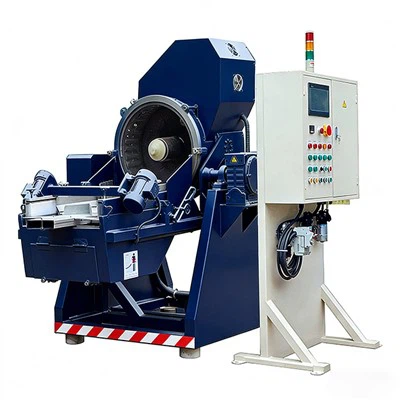
Vibratory Finishing Machine If you’re in the market for high – quality quartz abrasive media and would like to discuss your requirements, I’d be more than happy to assist you. Whether you’re looking for a specific particle size, purity level, or have a unique application in mind, we can work together to find the best solution. Contact us to start a discussion about your purchasing needs.
References
- "Industrial Minerals and Their Uses" by John Barry.
- "Abrasive Technology Handbook" edited by K. Venkatesh.
- Scientific research papers on quartz properties and abrasive manufacturing processes from various academic journals.
Dongguan Xindingsheng Intelligent Grinding Technology Co., Ltd.
Dongguan Xindingsheng Intelligent Grinding Technology Co., Ltd. is one of the most reliable quartz abrasive media manufacturers and suppliers in China, also supports customized service. Please feel free to wholesale bulk high quality quartz abrasive media in stock here from our factory. Contact us for pricelist.
Address: Room 101, Building 1, No. 73 Dahuangmei Road, Dalingshan Town, Dongguan City, Guangdong Province, China
E-mail: cndskj@126.com
WebSite: https://www.xdsfinishing.com/
