When it comes to ensuring the optimal performance and longevity of turbine gland seals, having the right installation tools is paramount. As a dedicated turbine gland seal supplier, I understand the intricate details and high – stakes nature of the turbine industry. In this blog, I’ll share the essential installation tools required for turbine gland seals, providing you with in – depth knowledge to support your turbine maintenance and installation projects. Turbine Gland Seal

1. Measuring Tools
Accurate measurements are the foundation of a successful turbine gland seal installation. Without precise measurements, the seal may not fit properly, leading to inefficiencies and potential damage to the turbine.
- Micrometers: These are essential for measuring the diameter and thickness of various components of the gland seal. For example, when installing the carbon rings in a gland seal, micrometers can be used to ensure that the dimensions of the rings match the specified tolerances. A high – quality micrometer can measure to an accuracy of up to 0.001 inches or 0.0254 millimeters, which is crucial for the tight clearances required in turbine gland seals.
- Calipers: Calipers come in both vernier and digital varieties. They are used to measure the internal and external dimensions of parts such as the gland housing. Vernier calipers are reliable and have been used for decades, while digital calipers offer the advantage of easier reading and the ability to store measurements. Calipers can measure distances with an accuracy typically in the range of 0.001 to 0.002 inches or 0.0254 – 0.0508 millimeters.
- Feeler Gauges: These thin strips of metal are used to measure clearances between mating parts. In turbine gland seals, feeler gauges are used to check the radial and axial clearances between the seal and the turbine shaft. For example, when installing a labyrinth seal, feeler gauges can help ensure that the necessary clearance is maintained to prevent excessive rubbing and wear. Feeler gauges are available in a variety of thicknesses, ranging from 0.001 inches (0.0254 millimeters) to 0.050 inches (1.27 millimeters).
2. Handling and Installation Tools
Once the measurements are accurate, the next step is to handle and install the components of the turbine gland seal properly.
- Lifting Equipment: Turbine gland seals can be heavy, especially in large – scale industrial applications. Hoists, cranes, and lifting straps are used to safely move the gland seal assemblies from storage to the installation site. For example, a chain hoist with a suitable lifting capacity can be used to lift a heavy gland housing into place. It’s important to ensure that the lifting equipment is properly rated for the weight of the components being lifted.
- Assembly Jigs: These are custom – made tools designed to hold the components of the gland seal in the correct position during assembly. Assembly jigs help to ensure that the parts are aligned correctly, reducing the risk of misalignment and leaks. For example, a jig can be used to hold the individual segments of a segmented seal in place while they are being installed around the turbine shaft.
- Seal Pullers and Installers: Specialized tools are required to remove old gland seals and install new ones. Seal pullers are used to safely extract the old seals from the gland housing without causing damage to the surrounding components. On the other hand, seal installers are used to press the new seals into place with the right amount of force. For example, a hydraulic seal installer can be used to ensure a uniform and proper installation of large – diameter seals.
3. Torque Tools
Proper torque application is crucial for the integrity of the turbine gland seal installation. Incorrect torque can lead to loose connections, which can cause leaks, or over – tightened connections, which can damage the components.
- Torque Wrenches: These are used to apply a specific amount of torque to bolts and nuts during the installation of the gland seal. There are different types of torque wrenches, including click – type, beam – type, and digital torque wrenches. Click – type torque wrenches are the most commonly used, as they emit a clicking sound when the preset torque value is reached. For example, when installing the gland housing bolts, a torque wrench can be set to the specified torque value to ensure that the housing is securely fastened without over – tightening.
- Angle Torque Wrenches: In some cases, in addition to the specified torque value, an angular rotation of the bolt is also required. Angle torque wrenches are used to measure and control this angular rotation. This is important in applications where the bolts need to be tightened to a specific point of deformation to ensure a proper seal. For example, in high – pressure turbine applications, angle torque wrenches may be used to ensure the correct installation of critical bolts in the gland seal assembly.
4. Cleaning and Lubrication Tools
Before installing the turbine gland seal, proper cleaning and lubrication of the components are essential to prevent contamination and ensure smooth operation.
- Cleaning Brushes: These are used to remove dirt, debris, and old lubricant from the surfaces of the gland seal components. Different types of cleaning brushes are available, such as wire brushes for removing stubborn dirt and nylon brushes for more delicate surfaces. For example, a wire brush can be used to clean the inside of the gland housing, while a nylon brush can be used to clean the carbon rings without scratching them.
- Solvent Sprayers: These are used to apply cleaning solvents to the components. Solvents can help dissolve grease, oil, and other contaminants. A solvent sprayer allows for an even application of the solvent, ensuring thorough cleaning. For example, a non – flammable solvent can be sprayed on the turbine shaft and gland seal components to remove any residual oil before installation.
- Lubrication Applicators: Lubrication is important for reducing friction during the installation process and ensuring the long – term performance of the turbine gland seal. Lubrication applicators, such as grease guns and oil droppers, are used to apply the appropriate lubricant to the seals and other moving parts. For example, a grease gun can be used to apply a high – temperature grease to the gland seal bearings to reduce wear and friction.
5. Inspection Tools
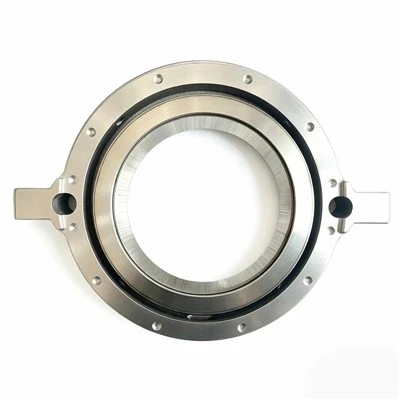
After the installation is complete, thorough inspection is necessary to ensure that the turbine gland seal is installed correctly and is functioning properly.
- Borescopes: These are used to visually inspect the internal components of the gland seal and the turbine. Borescopes can be inserted into small openings, allowing technicians to detect any signs of damage, misalignment, or other issues inside the gland housing or around the turbine shaft. For example, a flexible borescope can be used to inspect the labyrinth passages in a labyrinth seal for any blockages or damage.
- Ultrasonic Leak Detectors: These tools are used to detect any leaks in the turbine gland seal. Ultrasonic leak detectors work by detecting the high – frequency sound waves produced by a leak. They are highly sensitive and can detect even small leaks that may not be visible to the naked eye. For example, an ultrasonic leak detector can be used to check for leaks around the gland housing joints after the installation is complete.
Aircraft Engine Seal In conclusion, having the right installation tools is essential for a successful turbine gland seal installation. As a turbine gland seal supplier, I am well – aware of the importance of these tools and can provide you with expert advice on the selection and use of the appropriate tools for your specific turbine gland seal installation project. If you are in the process of installing or maintaining a turbine gland seal and need high – quality seal products or guidance on installation tools, I encourage you to reach out to discuss your requirements. Buying the right turbine gland seals and using the correct installation tools can significantly improve the performance and reliability of your turbine system. Let’s engage in a procurement discussion and find the best solutions for your turbine needs.
References
- "Turbine Maintenance and Repair Handbook"
- "Sealing Technology in Turbomachinery"
- Industry standards and guidelines from ASME (American Society of Mechanical Engineers)
Jiangsu Turbine Electric Power Technology Co., Ltd.
As one of the most professional turbine gland seal manufacturers and suppliers in China, we have world-leading production equipment and strong manufacturing capabilities. Please feel free to buy advanced turbine gland seal for sale here and get pricelist from our factory. Customized orders are welcome.
Address: Building 8, Huaqi Yungu Xuzhou Lingang Industry Accelerator, Jiawang District, Xuzhou City, Jiangsu Province
E-mail: zjh800@163.com
WebSite: https://www.cnturbine.com/
