Hey there! I’m a supplier of process chemicals, and I often get asked if there are any process chemicals out there that can help reduce waste generation. Well, the short answer is yes, and in this blog, I’m gonna dive deep into the details. Process Chemicals

First off, let’s understand why waste reduction is such a big deal. In today’s world, environmental concerns are growing, and regulations are getting stricter. Reducing waste not only helps the planet but also cuts down costs for businesses. Less waste means less money spent on waste disposal, and it can even improve a company’s bottom line.
Types of Process Chemicals for Waste Reduction
There are several types of process chemicals that play a crucial role in waste – reducing processes.
Water Treatment Chemicals
Water is a vital resource in many industrial processes, and a lot of waste can come from its improper use and treatment. Water treatment chemicals like coagulants and flocculants help in clarifying water by gathering suspended particles together. Once these particles are clumped, they can be easily removed from the water.
For example, polyaluminum chloride (PAC) is a popular coagulant. In wastewater treatment plants, it can significantly reduce the amount of solids in the water. By removing these solids, the treated water can be recycled within the facility or safely discharged into the environment. This reduces the need for fresh water intake and minimizes the volume of wastewater that needs to be treated and disposed of.
Anti – Scalants and Corrosion Inhibitors
In industries that rely on heating or cooling systems, scaling and corrosion are major problems. Scaling occurs when minerals in the water precipitate and form a hard layer on the surfaces of pipes, heat exchangers, and other equipment. This not only reduces the efficiency of the equipment but also shortens its lifespan, leading to more waste in the form of replaced parts.
Anti – scalants work by preventing the formation of these scales. They keep the minerals in the water in a dissolved state, allowing the water to flow freely through the system. Corrosion inhibitors, on the other hand, protect the metal surfaces from rust and corrosion. By using these chemicals, companies can extend the life of their equipment, reduce the frequency of part replacements, and thus cut down on waste generation.
Biocides
In industries where water is used in large quantities, such as in cooling towers, the growth of microorganisms like bacteria, fungi, and algae can be a significant issue. These microorganisms can form slimes and biofilms, which can clog pipes, reduce heat transfer efficiency, and cause corrosion.
Biocides are used to control the growth of these microorganisms. By keeping the microbial population in check, the operation of the system remains smooth. This reduces the need for frequent maintenance and cleaning, and also prevents the generation of waste that would otherwise result from replacing clogged or corroded components.
How These Chemicals Work in Real – World Scenarios
Let me share a few real – world examples to show how these process chemicals can make a difference in waste reduction.
A food processing plant was facing huge wastewater disposal costs. The wastewater contained a high amount of suspended solids and organic matter. By using water treatment chemicals like PAC and appropriate flocculants, they were able to clarify the water to a large extent. The solids that were separated could be further processed into animal feed or used as a source of bioenergy. The treated water was then recycled for other non – critical processes in the plant, such as cleaning. This not only reduced the volume of wastewater sent for disposal but also saved on fresh water intake.
In a power generation plant, the cooling system was suffering from scaling problems. The use of anti – scalants helped prevent the formation of scales on the heat exchangers. As a result, the heat transfer efficiency improved, and the plant could operate more smoothly. This meant less downtime for maintenance and fewer parts replacements, ultimately reducing waste generation.
The Economic and Environmental Benefits
When we talk about waste reduction using process chemicals, there are both economic and environmental benefits.
From an economic perspective, as I mentioned earlier, less waste means lower waste disposal costs. Many waste disposal methods, such as landfilling and incineration, can be quite expensive. By reducing the amount of waste generated, companies can save a significant amount of money.
Moreover, the use of process chemicals to recycle and reuse resources, like water, also leads to cost savings on raw material procurement. Recycling and reusing water reduces the need to purchase large volumes of fresh water, which can be a substantial cost for industries that rely heavily on it.
On the environmental front, waste reduction has far – reaching positive impacts. Landfills are a major source of environmental pollution. They can release greenhouse gases like methane, which is a potent contributor to climate change. By reducing the amount of waste sent to landfills, we can help mitigate climate change.
Also, by recycling and reusing water, we conserve a precious resource. Water scarcity is becoming a global issue, and every drop that we can save and reuse matters.
Challenges and Considerations
Of course, using process chemicals for waste reduction isn’t without its challenges. One of the main concerns is the proper handling and disposal of these chemicals themselves. Some process chemicals can be hazardous if not handled correctly, and improper disposal can lead to environmental contamination.
Another challenge is choosing the right chemicals for the specific process. Different industries have different requirements, and the type of waste and operating conditions can vary widely. It’s essential to conduct a thorough analysis of the process and the waste generated to select the most effective chemicals.
Additionally, there’s always the cost factor. Some high – performance process chemicals can be expensive. However, when you consider the long – term savings from waste reduction and improved efficiency, the initial investment can often be justified.
Wrapping Up and Connecting
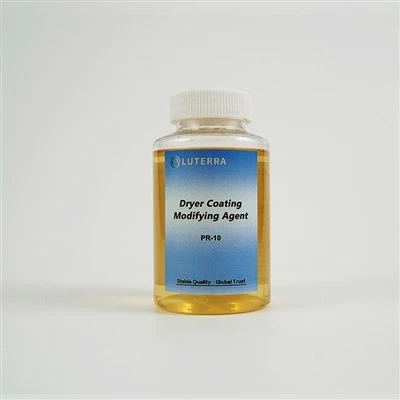
So, to sum it all up, there are definitely process chemicals that can significantly reduce waste generation. Water treatment chemicals, anti – scalants, corrosion inhibitors, and biocides are just a few examples. These chemicals offer both economic and environmental benefits, but there are also challenges that need to be addressed.
Flocculants If you’re interested in learning more about how our process chemicals can help your business reduce waste and improve efficiency, I’d love to have a chat. Whether you operate a small – scale manufacturing plant or a large industrial facility, we’ve got solutions tailored to your needs. Reach out to me to start a discussion, and let’s work together towards a more sustainable and cost – effective future.
References
- Handbook of Industrial Water Treatment, Chemical Publishing Company
- Industrial Waste Management Principles and Practices, McGraw – Hill Education
Luterra Advanced Materials Co., Ltd.
We are one of the most experienced process chemicals manufacturers and suppliers in China, also support customized service. With a professional production team, we are able to meet the needs of the majority of our customers. Please feel free to buy high quality process chemicals made in China here from our factory.
Address: East End of Jingting Road, Caterpillar Industrial Zone, Qingzhou City, Weifang City, Shandong Province, China
E-mail: info@luterra-chem.com
WebSite: https://www.luterra-chem.com/
