Hey there! I’m a supplier of water welding machines. Calibrating a water welding machine is crucial to ensure it works at its best. When the machine is well – calibrated, you’ll get high – quality welds, and it’ll also save you time and materials in the long run. Let’s dive into how to calibrate a water welding machine. Water Welding Machine
Understanding the Basics of a Water Welding Machine
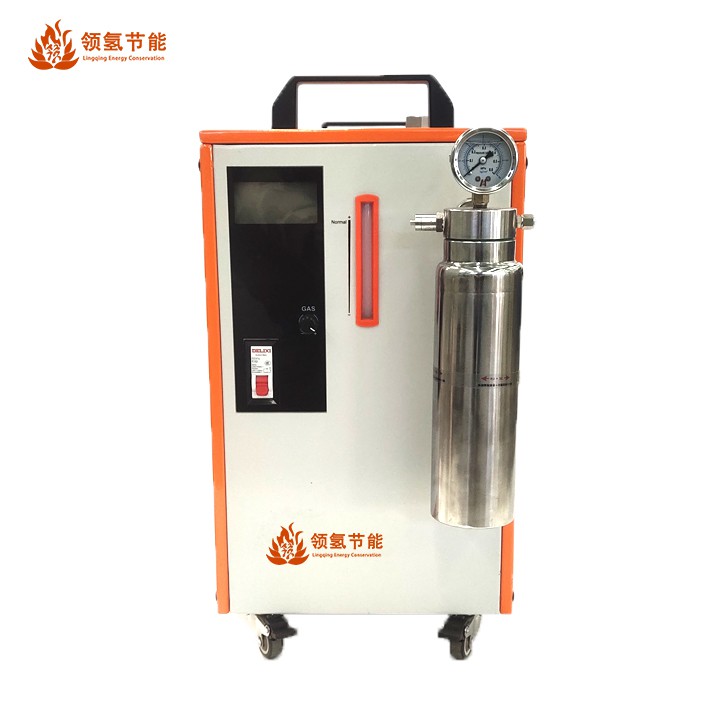
Before we start the calibration process, it’s important to know how a water welding machine functions. A water welding machine uses an electrolysis process to split water into hydrogen and oxygen gases. These gases are then used as fuel for the welding process. The key components that need calibration are the gas flow rates, the pressure settings, and the electrical parameters like voltage and current.
Preparation for Calibration
First things first, gather all the tools you’ll need. You’ll typically need a pressure gauge, a flow meter, a multimeter to measure electrical values, and some safety equipment like gloves and goggles. Make sure the machine is turned off and disconnected from the power source. It’s also a good idea to clean the machine thoroughly. Dust and debris can affect the accuracy of the calibration.
Calibrating the Gas Flow Rates
The gas flow rates are super important for a good weld. If the flow is too high, the flame can be unstable and cause uneven welds. If it’s too low, the weld might not be strong enough.
To start, connect the flow meter to the gas outlet of the machine. Turn on the machine and let it run for a few minutes to stabilize. Then, adjust the flow control valve. You’ll want to refer to the manufacturer’s specifications for the ideal flow rate. Usually, it’s measured in liters per minute (LPM). Keep an eye on the flow meter and make small adjustments until you reach the recommended flow rate.
Adjusting the Pressure Settings
Next up is the pressure. You’ll use the pressure gauge for this part. Connect the pressure gauge to the appropriate port on the machine. Just like with the flow rate, turn on the machine and let it warm up.
The pressure in the machine should be within a certain range. Too much pressure can be dangerous, and too little can lead to poor performance. Slowly adjust the pressure regulator. You’ll notice the pressure reading on the gauge changing. Keep adjusting until you get to the right pressure as specified in the manual.
Checking the Electrical Parameters
The electrical side of things is just as important. Use the multimeter to measure the voltage and current. First, set the multimeter to the appropriate voltage and current ranges. Then, connect the probes to the relevant terminals on the machine.
The voltage and current values should match the manufacturer’s guidelines. If they’re off, you might need to adjust the electrical settings on the control panel of the machine. This might involve turning some knobs or using a digital interface to change the values. It’s a bit technical, but with a bit of patience and following the manual, you can get it right.
Testing the Calibration
Once you’ve made all the adjustments, it’s time to test the calibration. Put on your safety gear and start a test weld. Look at the quality of the weld. The bead should be smooth, and there shouldn’t be any signs of porosity or unevenness.
If the weld looks good, then your calibration was successful. But if you notice any issues like a sputtering flame or a weak weld, you might need to go back and re – check your settings. Maybe the gas flow rate needs a little more adjustment, or the pressure is still off.
Troubleshooting Common Calibration Issues
Sometimes, you might run into problems during the calibration process. For example, if the flow meter is giving inconsistent readings, it could be due to a blockage in the gas line. Check the gas line for any debris or kinks and clean or straighten it out.
If the pressure keeps fluctuating, there could be a problem with the pressure regulator. You might need to replace it or have it serviced. And if the electrical values are all over the place, there could be a loose connection or a faulty component in the electrical system.
Regular Maintenance and Re – calibration
Calibration isn’t a one – time thing. It’s important to regularly maintain your water welding machine and re – calibrate it. Over time, the components can wear out, and the settings can drift. I’d recommend re – calibrating the machine at least once every few months, depending on how often you use it.
Also, make sure to keep a log of all the calibration processes. Note down the date, the settings you adjusted, and any issues you encountered. This will help you keep track of the machine’s performance and make it easier to troubleshoot if something goes wrong in the future.
Why Choose Our Water Welding Machines?
As a supplier, I’m really proud of the water welding machines we offer. Our machines are built with high – quality materials and the latest technology. They’re designed to be easy to operate and maintain, which makes the calibration process a lot simpler.
We also provide excellent customer support. If you run into any problems during the calibration or while using the machine, our team of experts is always ready to help. We can offer advice over the phone or even provide on – site assistance if needed.
Contact Us for Your Water Welding Machine Needs

If you’re in the market for a water welding machine or need more information about calibration, don’t hesitate to get in touch. Whether you’re a professional welder or just starting out, our machines are a great choice. We’ve got a wide range of models to suit different needs and budgets.
Hydrogen-oxygen Generator So, let’s start a conversation. Reach out to us, and we can discuss your requirements and how our water welding machines can meet them. We look forward to working with you and helping you achieve the best welding results.
References
- Manufacturer’s manuals for water welding machines
- Industry standards for welding equipment calibration
Jiangsu Lingqing Energy-saving Technology Co., Ltd.
We are one of the most reliable water welding machine manufacturers and suppliers in China. With abundant experience, we warmly welcome you to buy customized water welding machine made in China here from our factory. If you have any enquiry about quotation, please feel free to email us.
Address: Building #7, No. 1 Linhe Road, located on the west side of Anlan Road and north of Linhe Road, Huaiyin District, Huaian City, Jiangsu Province.
E-mail: jslingqing@163.com
WebSite: https://www.lingqingtech.com/
