Hey there,
If you’re here, chances are you’re deep in the weeds of ladle lining or material testing for metal casting operations—and you’ve probably googled “aluminum silicate needle punched blanket for ladles” more times than you can count. Full transparency: I’m not a university professor who’s never set foot in a foundry floor. I run a small team that makes and ships exactly that stuff—aluminum silicate needle punched blankets—so I’ve fielded this exact question (Is this even worth putting in a ladle?) a hundred times, from superintendents to new shop foremen who just got put in charge of lining upkeep. Let’s cut the jargon, lay out the real pros, the fine print, and when you should (and shouldn’t) grab this blanket, no fluff. Aluminum Silicate Needle Punched Blanket

First, let’s reset what aluminum silicate needle punched blanket is, quick—no textbook definitions. This isn’t the fragile fiberglass insulation in your attic, and it’s way sturdier than the fuzzy stuff you wrap pipes in. It’s made from molten alumina and silica (hence aluminum silicate), spun into tiny fibers, then punched repeatedly with needles to lock the fibers together into a flexible, felt-like blanket. It’s the go-to insulating blanket for high-heat stuff like furnaces, kilns, and yes—ladles, but only if you match the right grade to your ladle’s job.
Let’s start with the biggest win for ladles: thermal insulation. Ladles’ whole gig is holding molten metal (steel, aluminum, copper, whatever you cast) from the furnace to the casting machine—so the last thing you want is the metal losing heat mid-travel. If you use a bad insulator, the metal cools too fast, gets lumpy, or even solidifies before it pours, which is a huge waste of time and material. I worked with a steel foundry last year that was using brick linings for their 50-ton ladles—they were losing 120°F worth of heat per transport, and had to reheat 1 out of every 8 ladles. They swapped in our medium-grade aluminum silicate needle punched blanket, and that heat loss dropped to 30°F. That’s game-changing: less fuel wasted on reheats, faster turnaround on casting runs, no more scrapping half-finished metal. Why is this blanket better than other insulators? Needle punching makes the fiber structure super uniform—no gaps where heat can seep through, which is a big issue with loose fiber or hand-cut mats.
Next, weight. Old-school ladle linings are heavy bricks—like, really heavy. A 50-ton ladle lined with firebrick adds 15+ tons of dead weight, which means your crane has to lift more, uses more electricity, and puts extra wear on your hoists. Our aluminum silicate blanket is 1/3 the weight of firebrick for the same insulating thickness. That same steel foundry? Their crane maintenance requests dropped by 20% after the switch because it wasn’t hauling extra tons of brick around. Bonus: less material to haul to the scrap yard when you replace linings, which cuts waste disposal costs.
Then there’s installation and repair. Firebrick takes forever to lay—you have to cut each brick to fit, mortar it, let it cure for 24+ hours before you can use the ladle. Needle punched blanket? You just measure the ladle’s interior, cut the blanket with a utility knife (no special tools), and tuck it into place. Our team even gives free quick-cut guides for different ladle shapes—round, rectangular, weird custom ones. And if a small part of the blanket gets damaged (like a spot knocked by a ladle hook), you don’t have to redo the whole lining. Just patch the damaged area with a scrap piece of blanket, no mortar, no curing. That’s huge for downtime—every hour a ladle’s out of commission costs money, and with this blanket, you’re back up in an hour, not a day.
Wait, but hold on—this isn’t a one-size-fits-all. You can’t grab the cheapest off-the-shelf aluminum silicate blanket and throw it in a ladle full of 3,000°F molten steel. There are grades, and picking the wrong grade is where most guys mess up. Let’s break down the grades that work for ladles: we offer three, and only two are fit for ladle use. Our standard grade maxes out at 2,300°F—good for holding molten aluminum (which sits around 1,200–1,500°F) or brass, not hot steel. Our high-temperature grade hits 2,600°F—perfect for steel, stainless steel, or copper alloys that go up to 2,800°F. Then there’s our special reinforced grade for ladles that have rough handling—like if you’re moving ladles over uneven shop floors, or they get jostled during transfer. The cheap, thin, unreinforced blanket? That’ll tear in two weeks if you’re hauling heavy metal. That’s why I always ask customers for two details: what metal you’re holding, and how rough your shop’s operations are before I even recommend a grade.
Now the fine print—no product is perfect, so let’s talk about the downsides, because I’d rather you know the cons up front than complain later. First, moisture. Aluminum silicate fibers suck up moisture like a sponge if they’re left exposed, and if you put wet blanket in a ladle, it’ll steam when you heat the ladle up, which can cause small cracks in the metal lining or even the blanket itself. That’s a quick fix: just let the blanket air out for 24 hours before installation, or store it in a dry place. We also treat our high-temp grades with a water-repellent coating for free if you ask—easy solution. Second, durability against abrasion. This blanket is insulating, not structural. If you’re using metal ladles that bang into each other, or if you’re scraping the lining with a tool to remove solidified metal crust, the blanket will wear faster than firebrick. That’s why we always pair it with a thin structural backing (like a light layer of castable mortar) for ladles that get heavy use—adds a tiny bit of thickness, but protects the blanket from scrapes. Third, it’s not for direct contact with very hot, reactive slag. If your ladle has super acidic slag that eats through linings, you might need a separate slag shield on top of the blanket. But 9 times out of 10, if you’re talking standard ladle operations, that shield is optional, not required.
I’ve seen too many times vendors act like their product fixes everything, so I’m gonna throw in a real example of a misstep. Last year, a small aluminum casting shop in Ohio bought the cheapest aluminum silicate blanket from a random online supplier—$2 a square foot, way lower than our price. They lined their ladle, and two weeks later, the blanket started shedding fibers into their molten aluminum. That’s a nightmare—contaminated metal, scrapped 3,000 pounds of cast parts, lost $12k in one go. Turns out the cheap stuff had loose, un-spun fibers that broke off when heated, and no needle punching to hold the structure together. Our high-temp reinforced blanket? We test every batch to make sure fiber shedding is under 0.1% at operating temps, so that shop would’ve never had that problem. That’s why price isn’t everything—you get what you pay for, especially with materials that touch molten metal.
Another thing people don’t talk about: thermal shock. Ladles heat up and cool down all the time—you pour metal, let the ladle sit empty for an hour, then heat it back up for the next run. Some insulators crack when they get hit with rapid temperature changes, because the material expands and contracts too fast. Our needle punched blanket is flexible, so it moves with the ladle’s lining as it heats and cools. We’ve tested it by heating a ladle to 2,800°F, then blasting it with cold water repeatedly, and it didn’t crack or lose insulation value. Firebrick? That’d crack after 2–3 cycles, and you’d have to replace half the lining. For shops that run multiple ladles 24/7, that longevity adds up to less replacement material costs over a year.
Wait, let’s address a question I get all the time: Can it be used as a full lining, or just a backup? It works great as the primary insulating lining—we’ve got dozens of customers using it for their entire ladle lining, no extra brick needed, as long as you pick the right grade. The only time you might pair it with something else is if you’re running super high-volume, heavy-duty ladles (like 100-ton steel ladles that get used 18 hours a day). Even then, it’s the main insulator, not a backup.
So let’s wrap this up, no beating around the bush: Is aluminum silicate needle punched blanket suitable for use in ladles? The answer is: yes—if you pick the right grade for your metal and operations, install it correctly, and don’t cut corners on cheap, untested material. It’s not perfect, and it’s not for every ladle (if you’re running tiny test ladles for research, maybe stick to simpler insulators), but for 90% of commercial ladle operations, it’s better than traditional firebrick in almost every way: better insulation, lighter, faster to install and repair, less downtime, lower long-term costs.
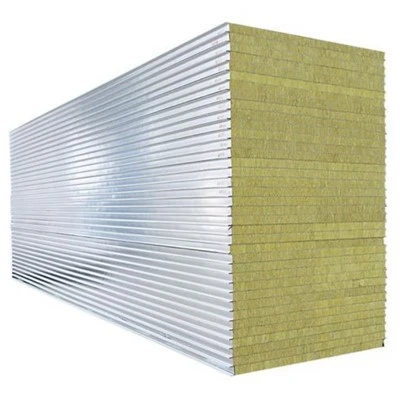
If you’re not sure which grade fits your setup, or you want to test a small batch first, hit me up. We do free sample packs (2×2 foot pieces of each grade) so you can test it in your shop, no pressure. No hard sells, no confusing specs—just straight answers about what works for your ladle.
Rubber & Plastic Products References
ASTM C1276 – Standard Specification for Fabricated Insulating Refractory Fiber Blankets for High-Temperature Applications
Foundry Management & Technology, 2022 – Insulating Materials for Ladle Lining Optimization
American Foundry Society, 2021 – Thermal Performance of Needle-Punched Refractory Fiber Linings for Metal Transfer Ladles
Langfang Aolesi Thermal Insulation Materials Co., Ltd.
As one of the most professional aluminum silicate needle punched blanket manufacturers and suppliers in China, we also support customized service. Please feel free to buy bulk high quality aluminum silicate needle punched blanket made in China here from our factory. For pricelist, contact us now.
Address: Dongwang Village, Dacheng County, Langfang City, Hebei Province
E-mail: Lfaolesibaowen@outlook.com
WebSite: https://www.lfaolesi.com/
