If you’re a tradesperson, DIY enthusiast, or even someone who keeps a hammer tucked in their garage for occasional home repairs, a loose hammer head isn’t just an inconvenience—it’s a safety hazard. I’ve worked in the hammer supply industry for 12 years, and I can’t count how many times I’ve heard from customers who’ve brushed off a wobbly head as “no big deal” until it flew off mid-swing, denting a wall, or worse, grazing their arm. That’s why I’m breaking down exactly what to do when your hammer head comes loose, how to fix it safely, and when to call it quits for a replacement. As a supplier, I’ve tested every fix I’m about to outline on our own products, so you can trust these steps are rooted in real-world use, not just theory. Hammer
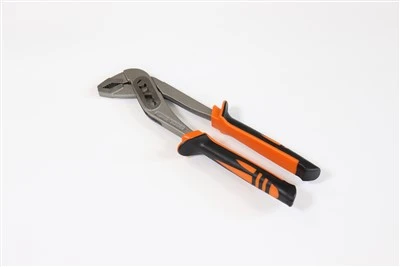
First, let’s get one thing straight: a loose hammer head almost always starts with a loose handle. Hammer handles, usually made of hickory, fiberglass, or even carbon fiber, expand and contract with temperature changes, absorb impact over time, and develop tiny gaps between the wood (or composite) and the metal eye (the hollow hole in the head where the handle sits). Those gaps are what let the head wobble. Ignoring that wobble leads to more serious issues: on a traditional claw hammer, repeated impact can split the handle, or the head can slip sideways, turning a driving strike into a miss that could hurt you.
Before you try any fix, start with a basic inspection. Grab your hammer and hold it by the end of the handle, then gently tap the end of the handle against a solid surface—like a concrete floor or a thick workbench edge. If you hear a rattle, that’s the head moving back and forth. Run your finger along the seam where the head meets the handle: if you can slide a credit card into that gap, the head is definitely loose. Don’t skip this step because it helps you pick the right fix for your specific hammer. A fiberglass-handle framing hammer, for example, needs a different adjustment than a classic claw hammer with a hickory handle.
Let’s start with the most common fix for traditional hickory-handle hammers: wedging. This is the method that’s been used by blacksmiths and carpenters for centuries, and it works because it fills that tiny gap between the handle and the eye, locking the head in place. Here’s how to do it safely, no guesswork involved. First, if there’s any old wedge material in the eye, remove it carefully—use a small flathead screwdriver to pry out any splinters or worn wood scraps, so you have a clean hole. Next, take a small wedge made of hardwood (oak works great) or even a toothpick if you’re in a pinch, but I recommend a proper hammer wedge for consistency. Tap the wedge into the small end of the handle (the end that’s inside the eye of the head, not the end you hold) at a 45-degree angle. As you tap, the wedge expands the handle just enough to fit tightly against the inner walls of the eye, which stops the head from wobbling. Once the wedge is flush with the handle, trim any excess wood with a utility knife so it doesn’t dig into your hand when you grip the hammer. Test it by tapping the end of the handle again—no rattle means it’s secure. I’ve had customers use this fix on hammers they’ve had for 20 years, and it lasts for months, as long as you don’t over-tighten (over-tapping the wedge can split the handle, so go slow).
What if you have a fiberglass or carbon fiber handle hammer? Those are more common in construction because they’re lighter and more durable, but they have a different type of eye that doesn’t work with wooden wedges. The fix here is a compression ring, and it’s the same method we use in our factory when assembling hammers for sale. A compression ring is a thin metal or nylon ring that you slide onto the end of the handle, then tap firmly against the bottom of the hammer head. The force of the tap compresses the fiberglass handle, which creates a tight, permanent bond between the handle and the head. This works because fiberglass is flexible but strong, so compressing it around the ring eliminates the gap without cracking the material. I always tell customers to use a solid steel ring for heavy-duty hammers (like framing hammers) and a nylon ring for smaller claw hammers or tack hammers. You can buy these rings at any hardware store, but if you’re ordering hammers from us, we include a free compression ring with every fiberglass-handle hammer—little perk for our regulars.
Now, let’s talk about a common mistake people make when fixing loose heads: driving the head onto a surface, like a workbench, to tighten it. I see this all the time on job sites. Someone has a loose hammer, so they hold the head and slam the end of the handle onto the workbench as hard as they can. Here’s why that’s bad: for one, it can crack the handle, especially if it’s hickory. For another, it can damage the eye of the metal head, bending it slightly so it doesn’t fit properly back on the handle. I once had a contractor bring in a hammer that he’d tried to fix this way, and the eye was bent so badly we had to replace the head entirely—cost him more in a replacement than if he’d just used a wedge. The rule is never strike the handle against a hard surface; that’s for the head, not the handle.
Wait, what if the head is still loose after all that? That’s when you need to diagnose a deeper issue. Sometimes, the eye of the hammer head is worn out. Over years of use, the inner walls of the eye can become rounded or expanded, so even a tight wedge or compression ring won’t hold the head in place. That’s especially common on old, vintage hammers that get used for heavy demolition work. Another red flag: if the handle is split. A small splinter on the edge of a hickory handle is fine, but a split that runs halfway up the handle means the handle can’t compress or expand evenly, so the head will keep coming loose no matter what. In those cases, it’s not worth fixing—even a good repair on a worn head or split handle won’t last as long as a new hammer, and it’s more dangerous because it can fail mid-strike.
I get a lot of questions from new tradespeople: “Can I use a loose head? What’s the worst that could happen?” Let’s be honest—you might get away with it once or twice, but the risk is real. A study from the National Institute for Occupational Safety and Health (NIOSH) found that 12% of construction-related hand injuries in 2022 were from hand tools slipping or failing, and loose hammer heads were one of the top causes. I’ve seen a coworker lose a day of work because a hammer head flew off while he was framing a deck, hitting his wrist. It wasn’t life-threatening, but it kept him from working for a month, which is a big hit to any paycheck. So ignoring a loose head isn’t just a bad idea—it’s a safety issue.
As a hammer supplier, I also want to talk about how to prevent loose heads in the first place, because the best fix is no fix at all. When you’re using a hammer, don’t overstrike. That means don’t use a claw hammer to drive a 6-inch nail into a beam—use a framing hammer, which is built for more force. Store your hammer in a dry place, away from extreme temperatures. If you leave a hammer in a hot truck bed all summer, the hickory handle will shrink, creating a gap between the handle and the head. If you leave it in a cold garage all winter, the handle will expand, and if you use it right away, that expansion can loosen the head. I always tell customers to wipe their hammer down after each use, and every few months, tap the end of the handle to check for rattles before a big job. It takes 10 seconds, and it could save you from a trip to the urgent care.
Now, let’s wrap this up with when to reach out to a supplier, like us, for help. If you’ve tried all the fixes I mentioned, and your hammer head is still loose, it might be time for a replacement. We carry hammers for every use—from small tack hammers for hobbyists to heavy-duty framing hammers for construction teams. Every hammer we sell is tested at our factory for head tightness before it leaves the warehouse, so you know you’re getting a product that won’t come loose on the job. If you’re not sure which hammer is right for your needs, our team can walk you through the specs—whether you need a fiberglass handle for light use or a steel core handle for heavy demolition. We also offer bulk pricing for contractors, so you can keep a spare hammer on hand for when one needs replacement.

To circle back: a loose hammer head is a common problem, but it’s not one you have to live with safely. Whether you’re using a wooden wedge, a compression ring, or even a small trick I learned from a old carpenter (dabbing a tiny bit of wood glue on the wedge before tapping it in—just make sure it’s not too much, or it will dry too fast and split the handle), these fixes work if you do them right. The key is to address the wobble early, before it turns into a bigger issue. And if you find that your hammer is too worn to fix, don’t hesitate to reach out to us for a new one. We’re here to make sure you have the right tool for the job, no matter how big or small.
Safety Helmet References
National Institute for Occupational Safety and Health. (2022). Hand Tool Safety in Construction: Common Hazards and Preventive Measures.
Professional Carpenters Association. (2021). Tool Maintenance Guide: Hammer Care and Repair.
U.S. Consumer Product Safety Commission. (2020). Hand Tool-Related Injuries: 2018-2019 Data Summary.
Shandong Shining Import & Export Co., Ltd.
Founded in 1986, We are one of the most professional hammer manufacturers in China. With abundant experience, we warmly welcome you to buy advanced hammer for sale here here from our factory. If you have any enquiry about customized service, please feel free to email us.
Address: No.06073, Unit A, Building 2, Yihe Three Road, Comprehesive Bonded Zone, Linyi City, Shandong Province, China
E-mail: info@shiningtool.com
WebSite: https://www.shiningtool.com/
