If you’ve ever worked with hydraulic systems—whether on a construction crane at a job site, a farm tractor hauling grain, or a manufacturing press stamping metal parts—you know that even a 10-degree shift in temperature can throw a whole operation off. As a hydraulic parts supplier, I get dozens of calls every week from operators and maintenance techs panicking because their system is running too hot or too cold, wondering if their valves, pumps, or hoses are on the verge of failing. One question I hear more than any other is: “What’s the actual normal temperature range for these parts, anyway?” Hydraulic Parts

I’ve spent 12 years in this industry, first as a technician fixing failed hydraulic components, then as a supplier working hand in hand with mechanics, plant managers, and equipment operators. I’ve seen systems run at 180°F for weeks with zero issues, and others shut down permanently after just three hours at 220°F. The truth is, there’s no one-size-fits-all number—but there’s a science to it, and getting it right can save you thousands in downtime and replacement parts. Let’s break this down, not just with industry jargon, but with real-world examples I’ve lived through.
First, let’s start with the core of any hydraulic system: the hydraulic fluid. Every part in a hydraulic setup—pumps, seals, hoses, cylinders—relies entirely on this fluid to transfer power, lubricate moving components, and dissipate heat. The normal operating temperature of all hydraulic parts is tied directly to the temperature of the fluid flowing through them. That’s not a random link; it’s physics. If the fluid is too cold, it’s thicker than molasses, so it can’t flow through tiny passages in valves or around piston seals without creating extra friction. If it’s too hot, the fluid breaks down, and that breaks down every rubber and metal part it touches.
Most hydraulic parts manufacturers will specify a “normal operating temperature” on their data sheets, and that range is almost always between 104°F (40°C) and 180°F (82°C). That’s the sweet spot I’ve seen hold up across 90% of standard industrial and mobile hydraulic applications. Let me explain why that range matters. Below 104°F, fluid viscosity is too high. I remember a call from a construction crew last winter; their excavator’s hydraulic system wouldn’t lift its arm, and they assumed the pump was dead. When I got there, the fluid was only 28°F (-2°C)—thick enough that it couldn’t move through the main control valve. The mechanic had tried to start the system and run it cold to “warm it up,” but instead, the pump was straining against the thick fluid, wearing out its internal bearings before they even got the system up to temp. We had to replace the pump a month later, all because they tried to run it below that 104°F threshold.
On the flip side, the upper end of the range, 180°F, is where trouble starts creeping in over time. I’ve had a customer in a auto parts plant call me because their hydraulic press’s seals were leaking every three months instead of the usual six. When we checked the fluid, it was averaging 195°F (91°C)—15 degrees over the recommended max. Heat is the number one enemy of rubber seals, which make up 60% of the wearable hydraulic parts in any system. Every 18°F (10°C) increase above 180°F cuts the life of those seals in half. That press’s seals weren’t failing because they were bad; they were just getting cooked by excess heat from the system. I switched them to a high-temperature seal compound, and now they last the full six months. That’s a simple fix, all because we nailed down the normal temperature range.
But wait—this range isn’t universal. I’ve seen systems that run just fine at 190°F, and others that shut down at 160°F. What changes things? The type of hydraulic part, the fluid you’re using, and the environment your equipment is in all shift the numbers. Let’s break down specific components, because that’s what most suppliers and technicians actually need to know, not just a generic range.
Pumps are the heart of the hydraulic system, so their temperature range is non-negotiable. Gear pumps, the most common type in small to mid-sized equipment, have a normal operating range of 100°F (38°C) to 180°F. If a gear pump runs above 185°F, its internal clearances—spaces between the gears and the pump housing—widen too much, and fluid leaks back instead of moving through the system. Vane pumps, used in more precise industrial systems, are a bit more sensitive: their normal range is 104°F to 175°F (79°C). Run a vane pump above 180°F, and the vanes can warp in their slots, causing stalling or pressure drops. I once had a machine shop that installed a vane pump for their metal-cutting lathe, and they ran it at 188°F to meet production deadlines. Three weeks later, the vanes warped, and they lost a week of production while waiting for a replacement pump. That’s avoidable if you stick to the part-specific range.
Then there’s the seals, hoses, and O-rings—the parts that fail most often, usually because of temperature. Nitrile rubber seals, the standard for most hydraulic systems, have a normal operating range of -40°F to 212°F, but their “ideal” operating range is 120°F to 170°F. Below 120°F, they harden and crack when the system moves; above 170°F, they soften, swell, and leak. For mobile equipment that operates in cold climates, we often recommend EPDM seals, which hold up at lower temperatures, but even those don’t do well above 190°F. Hoses are similar: synthetic rubber hoses (the most common) have a normal range of 10°F to 200°F, but extended operation above 180°F will cause the outer jacket to degrade, exposing the inner reinforcement and leading to bursts. I’ve replaced 20+ hoses in the last five years that failed because they were running 20 degrees over normal; if the operator had monitored the temperature, those would have lasted twice as long.
Valves, the parts that control fluid flow, have a slightly wider range than pumps because they have smaller, more precise components. Spool valves, which are used in almost all control systems, have a normal operating range of 80°F (27°C) to 190°F (88°C). The low end is lower because valves have smaller clearances, so fluid needs to be just thin enough to move the spool. But above 190°F, the metal spool expands, and it can seize in the valve body. I had a customer in a logging operation last summer; their skidder’s control valve seized up in the middle of a job. When we pulled it apart, the spool had expanded because the fluid temp was 205°F. They had to replace the entire valve assembly, which cost them $1,200—way more than if they’d just added a heat exchanger to cool the fluid.
Now, it’s not just about the static number; it’s about how the temperature changes. A system that spikes to 200°F for 10 minutes during heavy load, then drops back to 170°F, is usually fine. But a system that stays above 180°F for hours, or that drops below 100°F and is forced to run at full power, is going to have issues. That’s why I always tell customers to watch for temperature fluctuations, not just the average. Last year, a food processing plant called me because their hydraulic cylinders were extending unevenly. We checked the fluid: it went from 110°F first thing in the morning to 185°F by midday. The uneven expansion of the cylinder rods as the temperature rose was causing the misalignment. They added a small cooling system, and the fluctuation dropped to 20 degrees, fixing the problem. That’s a small adjustment that makes a huge difference.
I get asked all the time: “Is there a way to extend the temperature range of my hydraulic parts?” The short answer is, for standard parts, not much—but you can choose parts designed for extreme conditions. For cold environments (below 0°F), we offer pumps with hardened bearings that can handle thicker fluid, and seals made from fluoroelastomers that stay flexible in cold. For hot environments (above 200°F), we supply high-temperature hoses, fire-resistant hydraulic fluid, and pumps with thermal relief valves that shut off if temp gets too high. I had a customer in a desert mining operation, where temps regularly hit 110°F, run their hydraulic system at 210°F for months. We swapped them to high-temperature components, and now their system runs at 185°F, cutting their part failures by 70%. That’s the value of matching parts to your operating conditions, which is why talking to a supplier who knows these ranges matters more than just buying the cheapest parts online.
Let’s circle back to the core point here: normal operation of hydraulic parts doesn’t mean a single number, but a range tied to the parts themselves, the fluid, and your environment. Stick to 104°F to 180°F for most standard applications, adjust for specific components—lower for vane pumps, a bit higher for some heavy-duty gear pumps—and watch for fluctuations. Too many operators ignore temperature until a part fails, costing them downtime, repairs, and even safety risks (a burst hose at high temp can spray hot fluid, causing burns).
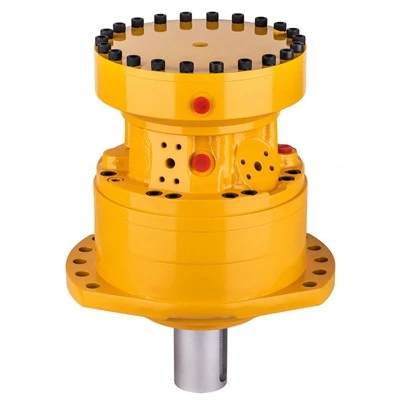
If you’re noticing your system running too hot or too cold, or you’re planning to replace hydraulic parts and want to make sure they fit your normal operating temperature, don’t guess. As a hydraulic parts supplier, I’ve helped hundreds of customers troubleshoot temperature issues, select the right components, and avoid unnecessary failures. We’re here to answer your questions, walk through your system’s needs, and make sure you get parts that work reliably in your specific conditions. Reach out to us to discuss your hydraulic system’s temperature requirements and find the right components for your operation.
Hydraulic Auger Drive References
ISO 4406: Hydraulic Fluid Power – Fluid Contamination – Code Method for Designing Contamination Levels
NFPA T2.11.2: Hydraulic Components – General Specifications and Testing Methods for Temperature Limits of Hydraulic Components
SAE J962: Recommended Practice for Hydraulic Fluid – Viscosity-Temperature Relationship
Ningbo Oushijie Hydraulic Transmission Co., Ltd.
Ningbo Oushijie Hydraulic Transmission Co., Ltd. is one of the most professional hydraulic parts manufacturers and suppliers in China, also supports customized service. With abundant experience, we warmly welcome you to wholesale durable hydraulic parts at competitive price from our factory.
Address: Changshi Sanxing Industrial Zone, Jiulong Lake Town, Zhenhai District, Ningbo,Zhejiang, China
E-mail: yong@nbosj.com
WebSite: https://www.nbosj.com/
