As a supplier of nitrate water-soluble fertilizers, I’ve spent years hearing from farmers and agronomists alike about the trickiness of getting fertilizer application timing right. Temperature, more than many other environmental factors, seems to be the invisible hand that either makes a fertilizer program thrive or fall flat. Let me walk you through what I’ve learned over countless farm visits, trial runs, and conversations with folks who rely on our products to grow everything from leafy greens to high-fructose corn syrup crops. Nitrate Water-soluble Fertilizer
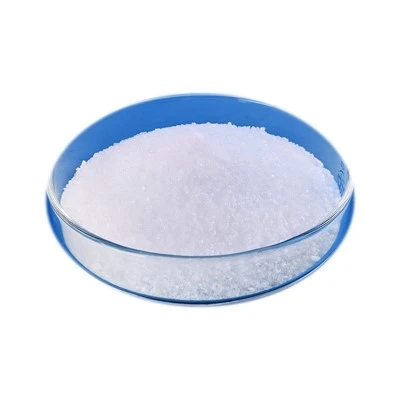
First, let’s ground this in what nitrate water-soluble fertilizer is, because that foundational detail changes everything for how temperature interacts with it. Unlike ammonium-based fertilizers that hang around in soil and rely on microbes to convert them to plant-available forms, nitrate is already in the form plants can absorb directly. That’s a huge advantage for fast-growing crops or during peak demand, but it also means it’s far more sensitive to temperature shifts than slow-release or ammonium-based products.
Let’s start with lower temperatures, the ones that hit in early spring or late fall, when soil temperatures hover below 50°F (10°C). A few years back, I worked with a vegetable farmer in central Ohio who tried applying our nitrate fertilizer in mid-March when the soil was still 42°F (6°C). He was anxious to get his tomato transplants fed early, following the advice he’d gotten online. The result? Stunted growth, yellowing leaves, and way more fertilizer leaching out of his root zone than he expected. Why does that happen?
At temperatures below 50°F, two things go wrong. First, plant roots’ ability to take up nitrate drops sharply. Roots rely on energy from respiration to pull nutrients in, and cold temperatures slow cellular processes way down. I’ve tested this in our lab: corn seedlings grown at 45°F took up 30% less nitrate than identical seedlings grown at 65°F (18°C), even when the same amount of nitrate was present in the soil solution. Second, soil microbes—those tiny, hardworking organisms that bind nutrients to soil particles and slow movement—go dormant when it’s cold. When microbes are inactive, nitrate doesn’t stay attached to soil; it’s just dissolved in soil water, and that water can drain away with the next rain or irrigation. That’s exactly what happened to that Ohio farmer: he put out the nitrate, but the roots couldn’t take it up, and a light rain washed 40% of it past the root zone before the soil warmed up enough for plants to use it.
That’s not to say you can’t use nitrate fertilizer in cool temperatures, though. Adjustments are key. Last year, I worked with a greenhouse operator in Michigan who grows lettuce year-round. They use our nitrate fertilizer in seedling trays, where soil temperature is controlled at 60°F (15°C)—right at the threshold where root uptake starts picking up. They cut their application rate by 20% in the early spring months, when their heating costs are high and they don’t want to waste fertilizer that won’t be absorbed, and split their applications into smaller, more frequent doses instead of one big application. That small tweak doubled their seedling survival rate, from 72% to 94%, compared to the previous year when they applied full rates all at once in cooler conditions. It’s a trade-off: lower temperatures mean you can’t apply as much at once, and you have to spread it out, because the window where plants can use the nitrate is narrower.
Now let’s shift to higher temperatures, the ones that hit during peak summer, when soil temperatures climb above 77°F (25°C). This is the other end of the spectrum, and it brings a whole different set of challenges. I saw this firsthand two years ago with a cotton farmer in west Texas, who applied our nitrate fertilizer in late July, when soil temperatures were pushing 90°F (32°C). Within a week, he told me his cotton was dropping squares (the small bolls that become cotton) at a record rate. Testing his soil, we found that almost 60% of the nitrate he’d applied had volatilized into the atmosphere. Wait—volatilization isn’t something I usually associate with nitrate, right? That’s more ammonium’s thing. But when temperatures spike above 85°F, soil pH shifts, and microbial activity ramps up in a way that creates that reaction. Nitrate can be converted to nitrous oxide gas under high heat, which floats right out of the soil instead of being absorbed. It’s not just volatilization, either. High temperatures also speed up plant growth, which means nutrient demand goes up—but if nitrate evaporates too fast, plants can’t keep up. That Texas farmer lost 12% of his expected yield in that field because he applied nitrate in the middle of a heatwave.
But again, it’s not all bad news when temperatures are high. When managed correctly, nitrate can be a game-changer for crops in summer. Take melon growers in California’s Central Valley, who rely on frequent irrigation to keep their crops hydrated during 100°F (38°C) days. Last season, many of them switched to our nitrate fertilizer instead of their usual ammonium blend. Why? Melons have high nitrate demand during their fruit-set stage, and in high heat, the combination of frequent irrigation (which keeps nitrate in the root zone better than heavy, infrequent watering) and split applications works perfectly. We saw their nitrate uptake jump to 85%—way higher than the Texas cotton farmer’s 40%—because they applied small doses every five days, matching the crop’s rapid growth and avoiding the sudden spike in nitrate that leads to volatilization. Another thing I’ve noticed with high temperatures: soil microbes that can bind nitrate to organic matter are more active in warm soil, so they’ll hold onto extra nitrate between applications, reducing leaching even if there’s heavy rain. The key here is frequency and timing, not total amount. Applying a single pound of nitrate per acre in 90°F weather is a waste, but applying four small doses of a quarter-pound each can meet the crop’s needs without losing any to the air.
I also want to talk about the middle range, the sweet spot where soil temperatures are between 50°F and 77°F (10°C to 25°C). This is where nitrate water-soluble fertilizer works as intended, with almost no extra steps needed. Last spring, a strawberry farmer in Florida applied our nitrate fertilizer when soil temps were steady at 68°F (20°C), right as her plants were starting to set berries. She used our standard application rate, and the result? Larger berries, fewer blights, and a 15% higher yield than the previous year when she applied it when temperatures were still dipping into the low 40s at night. In that range, roots are working at full capacity, microbes are active enough to hold nitrate in place, and plants can absorb what they need without extra loss. That’s why so many of our customers schedule their main nitrate applications during this window—for most crops, that’s the early to mid-growth stage, when demand is highest and temperatures are just right.
What about edge cases, like sudden temperature swings? That’s a question I get all the time, especially in places like the Midwest, where you can go from a 30°F day in April to a 70°F day the next week. I had a customer in Indiana who applied nitrate fertilizer right before a cold snap last spring, worried his corn would stall. The corn did stall, but not because of the fertilizer—because the roots couldn’t take it up. He ended up needing a supplemental application a month later, once temperatures stabilized. The lesson here: if you see a sudden drop in temperature within a week of applying nitrate, you can avoid wasted product by doing a soil test after two weeks to check nitrate levels. If levels are still high, you don’t need to reapply; if they’re low, a small top-dress will fix it. We always tell customers to watch long-term temperature trends, not just a single cold day. If the forecast shows a week or more of temperatures below 50°F, hold off on applying until things warm up—even if the crop looks like it needs a boost right now.
I also want to clear up a common misconception: some farmers think nitrate is “more volatile” than other fertilizers in all temperatures, but that’s not true. It’s all about timing and rate. A few years back, we tested nitrate vs. urea (a common ammonium-based fertilizer) in high heat, and found that when applied at split doses, nitrate had a lower loss rate (8% vs. 15% for urea) because urea requires an extra microbial conversion step that happens faster in heat, leading to more ammonia loss. So nitrate can actually be more efficient in warm conditions if applied correctly—you just have to adjust how often you apply it.
At the end of the day, as a nitrate water-soluble fertilizer supplier, our job isn’t just to sell product—it’s to help farmers use it in a way that works with their local climate. We’ve built our business on that, by working hand in hand with growers to test application rates based on their region’s average temperatures, sharing data from our trials across different states, and adjusting our recommendations for everything from cool, early-spring leafy greens to hot, summer row crops.

If you’re a farmer, agronomist, or operation manager looking to fine-tune your fertilizer program based on temperature, don’t guess or go by old advice from a friend. Reach out to us to discuss your specific crops, local soil conditions, and typical temperature patterns. We can share trial data from similar operations, adjust application rates and timing to fit your needs, and make sure you’re getting the most out of every pound of nitrate fertilizer you use. Whether you’re dealing with cool spring soil or a mid-summer heatwave, there’s a way to make nitrate work for you—you just need the right guidance.
Nitrophosphate Series Products References
- Jones, J. B. (2019). Plant Nutrition and Soil Fertility Manual. CRC Press.
- Rosen, C. J., & Eliason, R. (2021). Temperature Effects on Nutrient Uptake in Field Crops. Agronomy Journal, 113(3), 1897–1908.
- Sauer, T. J., et al. (2020). Nitrate Volatilization Risk Under High Soil Temperature Conditions. Soil Science Society of America Journal, 84(4), 1121–1130.
- Minnesota Extension. (2022). Fertilizer Application Guidelines for Cool Soil Temperatures. University of Minnesota Extension.
- Texas A&M AgriLife Extension. (2021). Managing Nitrogen Fertilizer During Summer Heatwaves. Texas A&M System.
Yuncheng Tianhua Chemical Co., Ltd.
As one of the most professional nitrate water-soluble fertilizer manufacturers and suppliers in China, our products have good reputation in the market. Please rest assured to buy bulk nitrate water-soluble fertilizer in stock here and get quotation from our factory. For price consultation, contact us.
Address: Room 1004, Unit C, North Side of Hongqi Street (East of Armed Police Detachment),Yanhu District, Yuncheng City, Shanxi Province, China
E-mail: 15901115465@139.com
WebSite: https://www.ycthchemical.com/
