Hey everyone, let’s talk about something that keeps industrial operations running smoothly but often flies under the radar: heavy-duty wrapped V belts. As a wrapped V belt supplier, I get asked about these all the time—from small business owners who just replaced their belt to plant managers looking to upgrade their entire line. A lot of folks mix them up with regular V belts, and that’s where confusion starts. So today, let’s break it down like we’re chatting over a coffee, no jargon overload. Wrapped V Belt
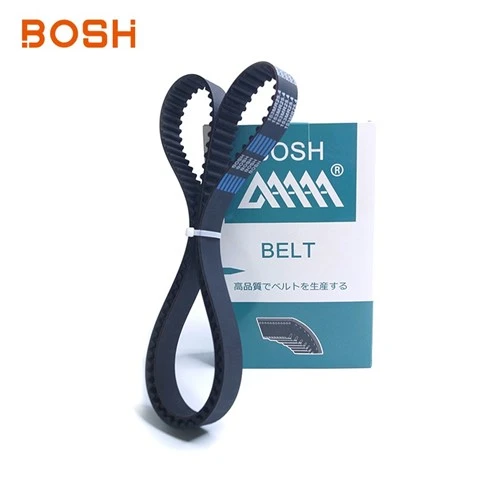
First off, what even is a wrapped V belt in general? At its core, it’s a power transmission belt shaped like a trapezoid (that’s the “V” part) with a tough outer wrap covering. But the “heavy-duty” label isn’t just for show—this thing is built to handle way more stress than a standard one. Let’s dive into the parts, because that’s where the magic happens. Most heavy-duty wrapped V belts have three key layers: the inner tension member (usually polyester cords or aramid fibers—super strong, way more durable than the nylon in basic belts), the cushion rubber that wraps around the cords to absorb shock, and the outer cover. That cover is the wrapped part—it’s usually fabric impregnated with rubber, like a tough canvas, and that’s what sets this apart from raw-edge V belts (which don’t have that full wrap).
Wait, why does the wrap matter so much? Let’s think about real-world use cases. A standard V belt might be fine for a residential garage door or a small workshop saw, but a heavy-duty one is for stuff like agricultural combines, mining conveyors, industrial HVAC systems, or construction equipment. Those environments are messy—dirt, dust, moisture, even occasional debris get kicked up. The wrapped cover acts like a shield, right? It protects the inner layers from wear, cuts, and chemical spills that would eat through a basic belt in no time. I’ve seen a lot of clients switch from raw-edge to wrapped heavy-duty belts and cut their replacement frequency by half. That’s a big deal when downtime costs you money.
Let me get specific about the design too. Heavy-duty wrapped V belts come in different profiles, not just the old A, B, C sizes you might remember. There’s SPZ, SPA, SPB, SPC—those are European standards, but they’re super common now because they fit tighter and transfer power more efficiently. Wait, efficiency is another win. The wrap allows the belt to grip the pulleys evenly, so less slip. Slip means wasted energy, right? If your belt is slipping, your machine is working harder than it needs to, which hikes up electricity costs over time. From my experience as a supplier, customers who switch to heavy-duty wrapped belts usually see a 5-10% energy savings too. That adds up fast for a plant running 24/7.
Now, let’s talk about where these things fail, because that’s what heavy-duty is all about avoiding. A regular V belt might snap if there’s a sudden load spike—like when a conveyor gets overloaded with material, or a farm tractor hits a rock. The aramid cords in heavy-duty belts have way higher tensile strength, so they can handle those sudden shocks without breaking. The outer wrap resists abrasion from pulleys and debris, so even if the belt rubs against something on the side, it won’t fray halfway through a shift. I remember one customer who had a combine belt snap in the middle of harvest season—cost them thousands in lost crop. They switched to heavy-duty wrapped V belts after that, and it’s been 3 seasons without a replacement. That’s the kind of impact we’re talking about.
Wait, but is heavy-duty wrapped V belt the right choice for every job? No, that’s a common mistake. If you’re powering a small woodworking shop or a residential pool pump, you don’t need the heavy-duty build—it’s overkill, and you’d be wasting money on something too strong. But if your application runs 8+ hours a day, handles heavy loads, or is in a harsh environment (dust, moisture, temperature extremes), this is your guy. I’ve had clients come in with a list of specs, and sometimes we talk them out of heavy-duty if they’re only running the machine a few hours a week. Transparency is key here—we don’t sell what doesn’t fit, because a happy customer is a repeat one.
Let me also clear up a myth: people think all wrapped belts are the same, but not all heavy-duty ones are made equal. The quality of the wrap, the type of cords, and the rubber compound make a huge difference. Some cheap suppliers use low-grade fabric for the wrap, which starts to fray after a few weeks. We use imported, rubber-impregnated cotton fabric that’s tested to resist tears and abrasion. For the cords, we only use aramid (like Kevlar, for those who know that material) instead of cheap polyester because it’s way more resistant to stretching. A belt that stretches too much slips, which again leads to wasted energy and frequent replacements. That’s why our heavy-duty wrapped V belts maintain their tension for way longer than generic ones.
What about maintenance? A lot of folks think heavy-duty means no upkeep, but that’s not true. You still need to check the tension regularly, make sure pulleys are aligned (misalignment is the #1 cause of belt wear, no matter what belt you use), and keep the area around the belt clean. But even with basic maintenance, these belts last 2-3 times longer than standard V belts. On average, a heavy-duty wrapped V belt for industrial use lasts 50,000 to 100,000 operating hours, depending on the application. Compare that to a standard belt which is more like 10,000 to 20,000 hours—total game changer.
Let’s circle back to why I care about this, as a supplier. I’ve been in the power transmission game for years, and I’ve seen how a bad belt can shut down a whole operation. Small businesses can’t afford downtime, and big plants rely on their equipment to hit deadlines. That’s why we focus on heavy-duty wrapped V belts that don’t just meet standards, but exceed them. We work with clients to figure out exactly what they need—whether it’s a specific length, profile, or even custom cut sizes for odd machines. No one-size-fits-all here.
So, if you’re in the market for a V belt, let’s cut to the chase: if your machine is working hard in a tough spot, heavy-duty wrapped is the way to go. But if you’re not sure, just reach out. We’re here to answer questions, no pressure. Whether you’re a farmer needing a combine belt, a construction company with an excavator, or a factory manager upgrading your conveyor line, we can help you pick the right belt that fits your needs and budget. No weird fine print, no upselling something you don’t need.
At the end of the day, these belts might not be the most exciting part of your equipment, but they’re the ones that keep it moving. Skipping on a cheap belt might save you a few bucks upfront, but the downtime and replacement costs will add up way more. That’s the truth I tell every customer, because we’re not just selling belts—we’re helping keep your operations running smoothly, so you can focus on what matters most.

If you’re ready to upgrade, or just have questions about which heavy-duty wrapped V belt is right for your application, don’t hesitate to reach out to us to discuss your needs. We’re here to help you find the perfect fit for your machinery.
Oil Seal References:
- Society of Automotive Engineers (SAE) International. "Power Transmission Belts for Mobile and Industrial Equipment." SAE International Technical Paper Series, 2021.
- Rubber Manufacturers Association (RMA). "Specification for Wrapped V-Belts and Sheaves." RMA Standard MP-1, 2019.
- Aramid Fiber Manufacturers Association (AFMA). "Aramid Reinforcement in Heavy-Duty Power Transmission Belts." AFMA Technical Bulletin, 2020.
- National Agricultural Machinery Manufacturers Association (NAMMA). "Best Practices for Belt Selection in Agricultural Equipment." NAMMA Guidelines, 2022.
- International Organization for Standardization (ISO). "V-belts for power transmission, classical and narrow V-belt systems – Part 1: ISO method of measurement and designation." ISO Standard 10591-1:2018.
Xingtai Boshuo Auto Technology Co., Ltd.
Xingtai Boshuo Auto Technology Co., Ltd. is one of the most professional wrapped v belt manufacturers and suppliers in China, featured by quality products and low price. Please rest assured to wholesale bulk customized wrapped v belt made in China here from our factory. Welcome to contact us for pricelist and free sample.
Address: No. 58 Quannan East Street, Xiangdu District, Xingtai City, Hebei Province
E-mail: sherry1@bs-belt.com
WebSite: https://www.bsbelts.com/
