If you’ve ever stood next to a construction crew finishing a concrete slab on a hot, humid day, the rhythmic hum of a power trowel is one of the most reliable sounds of progress. For nearly 15 years, I’ve been a power trowel supplier, working side by side with concrete finishers, site managers, and equipment mechanics across North America. I’ve watched new operators reach for the lever on the side of their trowels for the first time, grinning when the machine glides smoothly over wet concrete instead of lurching out of control. And more times than I can count, I’ve heard them ask: “What even is that clutch for? I just turn the key and go, right?” It’s a fair question—most power trowels are built with intuitive controls, so the clutch can feel like a mysterious, hidden part until it malfunctions mid-job. Today, I’m breaking down exactly what the clutch does, why it’s non-negotiable for every trowel on a job site, and how picking the right clutch can make or break a concrete finish. Power Trowel

Let’s start with the basics of how a power trowel works, because the clutch’s role only makes sense when you understand the whole system. A power trowel’s core job is to smooth and finish concrete after it’s poured, turning a rough, uneven slab into a flat, durable surface that can hold everything from a residential driveway to a warehouse floor. It runs on a gasoline or electric engine that powers two rotating circular blades, called trowel pans, that spin in opposite directions to level and polish the concrete. But here’s the thing: concrete isn’t static. It cures over hours, going from wet, runny mix to hard, solid surface. For the first few hours after pouring, it’s what finishers call “green”—still pliable enough to work with, but firm enough to hold a shape. A power trowel has to handle that transition without damaging the concrete, and that’s where the clutch steps in.
At its simplest, a clutch is a mechanical link between the trowel’s engine and its rotating trowel heads. When the clutch is engaged, power flows from the engine to the blades, making them spin. When it’s disengaged, that power is cut, so the blades stop moving even if the engine is still idling. But if you’ve watched power trowels in action, you know there’s way more to it than just on and off. The clutch isn’t just a safety feature, though it definitely is that. It’s a precision component that controls how power is delivered to the concrete, adapts to different job conditions, and protects both the machine and the finish from avoidable damage.
Let’s talk about why that power delivery matters so much. Early in the concrete curing process, when the mix is still extra wet, too much sudden power to the trowel blades can do serious harm. A sharp jolt from the engine can dig the blades into the soft concrete, leaving deep gouges or uneven patches that take hours to fix (or have to be ground out later, which adds unnecessary cost and time to a job). That’s exactly what the clutch prevents. When an operator starts a trowel, or engages the clutch after idling, they don’t slam it all the way. They ease it in, gradually increasing power to the blades so they spin up smoothly, rather than lurching. This gentle engagement is especially important for new operators, who often make the mistake of rushing the start and damaging a slab before they even finish the first pass.
I remember a job a few years back in suburban Detroit, where a crew of finishers was pouring a 5,000-square-foot warehouse slab for a local distributor. The lead operator was a guy named Mike, who’d been running trowels for 20 years, but his new helper was a college student filling in for the summer. On the first pass with the trowel, the helper got nervous when the engine idled too long, and he snapped the clutch lever all the way forward. The blades dug into the wet concrete along one edge of the slab, leaving three-foot-long gouges that required the entire crew to patch and grind for the next four hours. That’s the kind of mistake that adds thousands of dollars in labor costs and delays a project. If that helper had known how the clutch works, he would have eased into engagement, and that damage could have been avoided.
Beyond just preventing accidents, the clutch lets operators adjust power to match the concrete’s curing stage. As concrete gets firmer, later in the finishing process, it needs more torque (rotational force) to polish the surface to a high shine. A good clutch lets operators increase the power flow gradually, ramping up torque as the concrete cures, instead of having a fixed power setting that’s too weak for later stages. This is where the difference between a quality clutch and a cheap, generic one really shows. A low-cost clutch might slip under high torque when the concrete is firmer, leading to inconsistent blade spin, streaky finishes, or even overheating of the engine. A heavy-duty, purpose-built clutch for power trowels is designed to handle variable torque loads, so it adapts to the concrete’s changing consistency without slipping or failing.
Another key role of the clutch is safety, both for the operator and the job site. Power trowels are large, heavy machines that can weigh hundreds of pounds, and their blades spin at speeds of up to 150 RPM. If the trowel suddenly lurches while an operator is guiding it, it can slip out of their hands, tip over, or hit a nearby worker or piece of equipment. The clutch gives operators control over when the blades move, so they can stop the blades from spinning while they adjust the trowel’s position, fix a minor issue, or move from one section of the slab to another. I’ve seen countless operators use the clutch to stop blades mid-pass to avoid hitting a form board, a rebar stake, or even a small puddle of water on the concrete—something they couldn’t do if the blades were always spinning.
For operators working on sloped slabs or tight corners, the clutch is also critical for precision. When finishing a slab that’s at an angle, they need to control the trowel’s speed closely, and being able to disengage the blades without turning off the engine lets them adjust the machine’s balance without stopping the entire process. Tight corners are another tricky spot—operators can disengage one side of the clutch temporarily, which makes the trowel turn more sharply without damaging the concrete in the corner. That’s a trick I learned from a veteran finisher in Texas, and it’s only possible because of the clutch’s design.
Now, let’s get into the different types of power trowel clutches, because not all clutches are created equal, and that’s something I stress to every customer who comes to me for equipment. The two most common types you’ll find on modern power trowels are centrifugal clutches and mechanical (or manual) clutches. Each has its own strengths, and the right choice depends on the job site, the operator’s experience, and the type of trowel being used.
Centrifugal clutches are the most common on small to mid-sized power trowels, especially those used by smaller contractors or for residential jobs. They work on a simple principle: when the engine’s RPM reaches a certain threshold (usually around 1,500 RPM), centrifugal force pushes weights inside the clutch outward, engaging it and transferring power to the blades. When the RPM drops below that threshold, the weights pull back, disengaging the clutch. The big advantage here is that they’re automatic—operators don’t have to manually engage or disengage them, which reduces the chance of human error. For new operators or crews working on small, one-day jobs, centrifugal clutches are convenient and low-maintenance. They also prevent stalling the engine, which is a common issue when manually engaging a clutch too quickly. That said, centrifugal clutches don’t give operators as much control over power delivery. They engage at a fixed RPM, so there’s no way to adjust how smoothly the blades start spinning, and they can slip under heavy loads on large jobs.
Mechanical clutches, on the other hand, are common on heavy-duty, large-scale power trowels used for commercial projects, warehouse slabs, or high-rise concrete work. These are manually operated, with a lever or pedal that the operator uses to engage and disengage the clutch, controlling power flow directly. The main benefit here is precision. Operators can ease the clutch in gradually, adjust power to match the concrete’s curing stage, and even partially engage it for fine-tuning. For large, complex jobs where every inch of the slab matters, that level of control is invaluable. The downside is that it takes a bit more training to use a mechanical clutch correctly—operators have to learn the “bite point” where the clutch starts engaging, and how to adjust their grip on the lever to avoid lurching the blades. But for seasoned finishers working on big projects, that control pays off in a better finish and fewer delays.
As a power trowel supplier, I’ve seen too many contractors overlook the clutch when they’re choosing new equipment. They focus on engine horsepower, blade size, or weight, but a good clutch is just as important. A cheap centrifugal clutch that slips after a few months will ruin the operator’s control, leading to inconsistent finishes and more maintenance calls. A worn mechanical clutch will make it hard to engage smoothly, increasing the risk of damaging the concrete or causing an accident. I always recommend that customers test the clutch on a trowel before they buy it—feel how it engages, see if it slips under load, and ask about the clutch’s lifespan. A quality clutch should last for thousands of hours of operation, and it should be easy to replace when it does wear out, so you don’t have to pull the entire trowel out of service for days.
Proper maintenance of the clutch is also key to keeping a power trowel running smoothly. I tell my customers to inspect the clutch before every job: check for worn linings, loose bolts, or signs of slippage (like a burnt smell when engaging). For centrifugal clutches, make sure the weight pins are lubricated, and for mechanical clutches, adjust the cable or linkage regularly to keep the bite point consistent. I’ve had customers come to me with a trowel that was acting up, only to find out the clutch was full of concrete dust or debris, which made it slip or engage unevenly. A quick clean and adjustment fixed the issue, and saved them from having to rent a replacement trowel for the day.
At the end of the day, the clutch is one of the most underrated components of a power trowel. It’s not the flashiest part, and most operators only notice it when it’s working well—they just get on with finishing the slab. But when it’s not working, it can turn a routine job into a nightmare of delays, extra costs, and subpar work. For me, being a power trowel supplier isn’t just about selling machines—it’s about making sure contractors have the equipment and knowledge to do their best work, safely and efficiently.
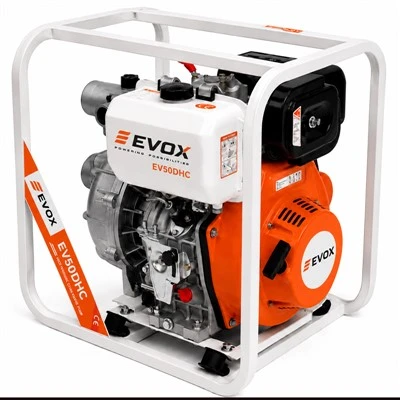
If you’re in the market for a new power trowel, or if your current machine is having clutch issues that are slowing you down, I’m here to help. Whether you’re a small contractor doing residential driveways or a large construction firm working on commercial slabs, we can match you with a trowel that has the right clutch for your needs, and provide the maintenance support to keep it running for years. Don’t let a faulty clutch hold you back on your next project—reach out to discuss your requirements, and we’ll help you find the right solution.
Diesel Engine References:
- Power Trowel Operation and Maintenance Manual. National Ready Mixed Concrete Association, 2021.
- "Key Components of Concrete Finishing Equipment." Construction Equipment Guide, vol. 45, no. 3, 2022, pp. 28-32.
- Mechanical Power Transmission Components for Construction Equipment. American Society of Mechanical Engineers, 2020.
- "Clutch Performance in Heavy-Duty Concrete Finishing Machinery." Journal of Construction Equipment Technology, vol. 12, no. 2, 2023, pp. 45-51.
Evoxpower Technology
Evoxpower Technology is one of the most professional power trowel manufacturers and suppliers in China, featured by quality products and good service. Please rest assured to buy the newest power trowel in stock here and get pricelist from our factory. Contact us for customized service and OEM service.
Address: 11 Fortune Avenue, Yubei District, Chongqing, China
E-mail: stephen@allrightpower.com
WebSite: https://www.evoxpower.com/
