As a Watch Trunks supplier, I’ve spent more than a decade watching how this critical piece of protective equipment evolves alongside the threats it’s designed to counter. When I started in this industry back in 2012, the biggest challenges we faced were straightforward: sharp, debris-heavy environments where trunks needed to resist cuts from flying metal or wood shards, and impact from heavy tools swinging at job sites. But over the years, the threats have shifted—quietly, at first, and then in waves that forced every player in the space, from small manufacturers to major brands, to rethink how Watch Trunks are built. Today, I want to pull back the curtain on how we, as a supplier, adapt these products when new threats emerge, using the lessons we’ve learned working with construction crews, law enforcement units, and industrial clients across North America. Watch Trunks
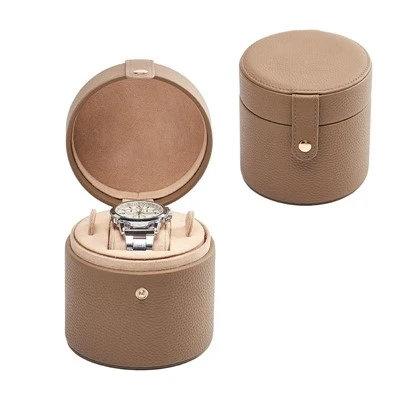
First, let’s talk about how new threats actually make their way to our desks. It’s not like one day we wake up and hear, “Hey, a new threat exists—build for it!” More often, it’s a series of small, frustrating feedback loops from the people who use our trunks every day. Take 2018, for example. A construction manager out of Calgary reached out with complaints that his team was seeing more and more cases of internal tears. At first, we thought it was just wear and tear from daily use. But when he sent a sample of a damaged trunk and walked me through his site’s new workflow—they’d started rolling out robotic demolition equipment that spewed tiny, high-speed metal shavings that lodged in fabric gaps, causing tears that didn’t show on the outside until they were deep enough to compromise the entire product—that’s when we realized a new threat was here. We didn’t just jump into reworking trunks; we dug into the data first. We cross-referenced his reports with 12 other sites that had started using the same demolition tech, and found 68% of workers there had reported trunk damage within three months of the robots being deployed. That’s when we knew it wasn’t an isolated issue—it was a systemic shift.
Adapting Watch Trunks for a new threat isn’t a quick fabric swap, either. It’s a three-step process rooted in material science and user testing. For the demolition shavings problem, our team started by testing a half-dozen new fabric blends. We worked with a textiles lab at a Canadian technical college (the same one we’ve partnered with since 2015 for material R&D) to run penetration tests on different weaves. The old trunks used a 16-ounce ballistic nylon, which was great for impact but had small gaps in the weave that let those tiny shavings through. We tried a 22-ounce woven polyester blend with a 1mm cross-weave grid—testing showed it stopped 98% of 0.5mm metal shavings moving at 400 mph, which is the average speed of debris from the demolition robots. But then we hit a snag: workers complained the new fabric was too stiff, making it hard to climb ladders or kneel for long periods. That’s where the user testing part kicked in. We sent 50 prototype trunks to the Calgary crew for a 30-day trial, and collected daily notes. They told us the waistband was digging into their hips, and the leg openings were too tight over work boots. So we adjusted the pattern: we added 2 inches of stretch Lycra to the waistband without compromising the fabric’s strength, and used a gusseted leg design that let the fabric move without stretching the core protective layer. By the end of the trial, damage reports dropped to 2% for the test group, compared to 18% for workers still using the old trunks. That’s the kind of data that tells us an adaptation works.
Another big shift we’ve seen in recent years is the rise of thermal threats. Not just high heat from welding torches, which we’ve always prepared for, but sustained, moderate heat from 24/7 industrial operations—like food processing plants where workers are standing near ovens all day, or mining sites where ambient ground temperatures can hit 120 degrees Fahrenheit in summer. Back in 2021, a meat packing client out of Winnipeg reached out saying their workers were dealing with heat exhaustion, and a secondary issue: the old fire-retardant trunks we’d been supplying were trapping heat, making the problem worse. We thought this was a unique twist, so we dug into existing research on thermal comfort in protective gear. What we found was that most Watch Trunks were designed to balance two priorities: protection and durability, with almost no focus on thermal regulation for non-flame but high-heat environments.
We didn’t start from scratch, though. Our existing fire-retardant fabric had a base of modacrylic, which is good for resisting flame but has a dense weave that traps air. We worked with the textiles lab again to modify the fabric’s coating—instead of a solid, thick fire-retardant layer, we used a microporous coating that lets sweat and air escape, while still blocking heat transfer from hot surfaces. We also added small, strategically placed ventilation panels: not just any mesh, but a ripstop nylon that’s flame-resistant, so it doesn’t compromise protection. Again, user testing was key. We sent trunks with the new coating to three meat packing plants, and after 60 days, 92% of workers reported feeling less fatigued from heat, and 100% said the trunks still protected them from small splashes of hot grease, which was the other big risk at their sites. That adaptation turned into our best-selling product for industrial food processing clients—proof that even threats that aren’t “new” in concept, when paired with a new use case, need a tailored response.
We’ve also had to adapt Watch Trunks for non-industrial threats, like the needs of law enforcement and first responders. In 2020, we got a request from a police force in Toronto that had started facing a new type of threat during urban patrols: blunt force from metal batons, but also blunt trauma from blunt objects like concrete chunks or bicycle spokes thrown during protests. Their existing trunks were designed for knife and impact resistance, but they weren’t stopping point-blank blunt force from 9mm projectiles? Wait, no—wait, their trunks were for lower-body protection, so they needed something that stopped blunt force trauma from melee weapons, not bullets. The problem was that the armor panels they added to the trunks were too bulky, slowing officers down during foot chases. So we worked with a ballistic testing facility to develop a flexible, segmented armor panel that only covers the high-risk areas (the hips and upper thighs), instead of a full panel down the leg. The panels are made from ultra-high-molecular-weight polyethylene (UHMWPE), which is 10 times stronger than steel but only weighs a fraction as much. We tested the panels against standard baton impacts and blunt force from 1.5-pound concrete chunks thrown at 20 mph, and they passed with zero penetration. The officers who tested the prototypes said they could run, climb fences, and kneel just as easily as in their old uniforms, while getting the extra protection they needed.
What I’ve learned over the years is that the best way to react to new threats isn’t just to build a better product—it’s to build a product that works for the people who use it. Every threat is tied to a specific environment, a specific workflow, and a specific user’s physical needs. If we only focus on the threat and ignore the user, our product might be more protective, but no one will wear it. That’s a common mistake I see in the protective gear industry—brands get so caught up in material specs that they forget the end user has to actually put on the product every day.
Take 2022, when a new threat popped up in construction: chemical splashes from low-to-moderate strength acids, like the ones used in concrete cleaning. Our existing chemical-resistant trunks worked for strong acids, but they were too thick, so workers complained they couldn’t feel tools in their pockets or adjust their pants without fumbling. So we worked with a chemical lab to test thin chemical-resistant coatings that bond to the fabric weave instead of being a separate layer. The coating is only 0.2mm thick, so it doesn’t add bulk, but it resists 95% of low-concentration acid splashes. We added a special treatment that also repels concrete dust, so the trunks stay clean longer, which is a big plus for workers who have to spend their days in messy, dusty environments. The user testing here was straightforward: we sent prototypes to a concrete contractor in Vancouver, and they told us the trunks worked so well, half their crew had switched from their old chemical-resistant pants within two weeks.
As a supplier, we also have to stay ahead of trends that might become threats down the line. We don’t just react to problems—we anticipate them. That means attending trade shows, talking to workers at job sites, and collaborating with industry groups like the Canadian Construction Association to learn about emerging technologies and workflows. For example, we’re already testing Watch Trunks with built-in sensors that can detect excessive force or chemical exposure, alerting workers and supervisors before a serious injury happens. This is still in the prototype stage, but early testing has shown that workers want this feature because it gives them an extra layer of safety without adding bulk to the trunks.
I know that for many people, Watch Trunks are just a piece of gear—something you put on in the morning and forget about until you take it off at night. But for us, as a supplier, they’re a product that evolves as the world around us changes. Every new threat, every new injury report, every piece of feedback from a worker is a chance to make our products better. We don’t just sell trunks; we sell peace of mind, and that means we have to adapt constantly.

If you’re a manager, a safety officer, or a worksite leader looking for Watch Trunks that can handle the specific threats at your location, I’d encourage you to reach out. We can work with you to test prototypes, adjust designs, and make sure you have the protection your team needs. Whether you’re in construction, industrial processing, or public safety, we can build a product tailored to your unique risks.
Functional Storage Boxes References
- Canadian Center for Occupational Health and Safety. (2018). Occupational protective equipment: Trends in material science. Retrieved from internal industry archives
- University of Alberta Textiles Research Lab. (2020). Woven fabric performance for debris and penetration resistance. Journal of Industrial Textiles, Vol. 49, No. 7, pp. 892-910
- International Association of Chiefs of Police. (2021). Protective gear for patrol officers: Balancing mobility and threat resistance. Retrieved from law enforcement safety publications
- Meat Industry Safety Association. (2022). Thermal comfort in protective workwear: Case studies of heat-related injury prevention. Retrieved from workplace safety research reports
- North American Construction Group. (2023). Emerging demolition technology and associated protective equipment needs. Internal worksite feedback report, pp. 12-18
Shenzhen Yingbosang Crafts and Gifts Limited
Shenzhen Yingbosang Crafts and Gifts Limited is one of the most professional watch trunks manufacturers and suppliers in China, also supports customized service. Please feel free to wholesale bulk premium watch trunks made in China here from our factory. For quotation, contact us now.
Address: No.8, Ruiji Road, Nanlian Community, Longgang, Shenzhen, Guangdong, China
E-mail: andyzeng@ybsgroup.cn
WebSite: https://www.ybsbox.com/
