As a blind rivet supplier who’s spent the past 12 years working directly with manufacturers, construction teams, and small-batch fabricators, I’ve heard every version of the same question: “Why not just use bolts, welds, or screws? They’re what I’ve always used.” It makes sense—fasteners are a core part of building and assembling, and switching to a new one feels like a risk. But over the years, I’ve seen hundreds of teams cut assembly time, reduce labor costs, and make their final products stronger, more reliable, and cheaper to produce all by making one simple swap: blind rivets. What I want to break down today isn’t just a list of benefits on a spec sheet—it’s the real, on-the-ground advantages that have turned blind rivets into a go-to for industries from aerospace to recreational vehicle manufacturing. Blind Rivet

First, let’s ground this in a reality every fabricator knows: not every joint has access to both sides. If you’ve ever worked on a metal cabinet where the back is sealed, a recreational vehicle’s interior wall panel, or the frame of a small aircraft wing, you can’t reach the reverse side to tighten a bolt or weld a joint. That’s where blind rivets earn their value, plain and simple. Unlike standard bolts that require a nut on the opposite side, blind rivets are installed from only one side of the material. The process is straightforward: you drill a hole, insert the rivet into the hole, then use a specialized tool (our customers carry corded, cordless, and even manual versions depending on their workspace) to pull the mandrel through the rivet body. When the mandrel reaches its break point, the rivet’s body expands against the inside of the hole, creating a tight, vibration-resistant joint in seconds. No extra parts, no waiting for someone to hold a nut on the other side, no risk of dropping a small fastener into a hard-to-reach gap. For example, a team assembling prefabricated steel wall panels for modular homes told me last year that switching from bolts to blind rivets cut their installation time for a 10-panel wall from 45 minutes to 18 minutes. That’s not just a time saving—it’s the ability to take on more jobs with the same labor crew, a huge win for small construction companies that can’t afford to hire extra staff.
Next, consider vibration resistance, a make-or-break factor for any product that moves. Think about the doors on a delivery truck, the interior trim of a passenger bus, or even the wings of a drone that cycles on and off dozens of times a flight. Bolts can work loose over time from constant vibration; welds, while strong, can crack at the base of the joint with repeated stress. Blind rivets, though, form a solid, one-piece clamp between the two materials that doesn’t have the same gap that a bolt and nut create. The expanded rivet body fills the hole completely, creating a tight, uniform bond that resists loosening even after thousands of vibration cycles. We supply rivets specifically for heavy-duty trailer manufacturers, and their maintenance teams tell us that trailer roof panels fastened with blind rivets need rework every 5 to 7 years, compared to every 2 to 3 years for panels fastened with bolts. That’s not just less downtime for the customer—it’s a better end product that lasts longer, which leads to fewer warranty claims and happier clients.
Another big advantage that’s often overlooked is cost savings across the entire supply chain. I’m not just talking about the cost of the rivet itself—though they’re competitively priced, often 10 to 15 percent cheaper than high-strength bolts for comparable applications. I’m talking about hidden costs that add up fast. Let’s break it down: no more stocking nuts, washers, or backup tools to reach the other side of the material. No more extra labor hours spent fumbling to align a bolt and nut in a tight space. No more scrap from dropped fasteners that fall into wall cavities or engine compartments and require time-consuming disassembly to retrieve. A custom electronics manufacturer I work with switched to blind rivets for their device casings three years ago, and their procurement team calculated that their total assembly cost per unit dropped by 12 percent. That included lower fastener material costs, less labor, and a 3 percent reduction in scrap because they no longer have to repair misaligned bolt holes. For small businesses operating on thin profit margins, that difference can mean the gap between staying competitive and losing a job.
Flexibility across materials is another key benefit. Many projects involve combining different materials that might not work well with other fasteners: metal to plastic, thin aluminum to steel, even composite materials for aerospace or marine applications. Blind rivets work with nearly every combination of materials, as long as you select the right rivet body type. For example, aluminum rivets are lightweight and corrosion-resistant, perfect for marine applications where saltwater would cause steel fasteners to rust. Stainless steel rivets offer high strength for structural joints, while nylon rivets work for lightweight plastic components where metal would add unnecessary weight. We even supply specialized rivets for insulation materials that need a fastener that won’t compress or damage the insulation during installation. A window manufacturing company told me they struggled to find fasteners that worked for combining their glass-reinforced plastic frames and aluminum extrusions—until they switched to blind rivets designed for dissimilar materials. They no longer have to use adhesives, which required 24 hours of curing time before moving to the next assembly step. Now, they can fasten and move their frames immediately, cutting lead times by half.
Durability in harsh environments is a huge reason blind rivets have become standard in industries that operate outdoors or in extreme conditions. Marine applications, construction, and agricultural equipment all expose fasteners to moisture, temperature fluctuations, and chemicals. Blind rivets can be coated with zinc, nickel, or even a specialized anti-corrosion coating to resist rust and degradation. Unlike welds, which can be prone to corrosion at the point where the weld meets the base metal, or screws that can strip over time in high-moisture environments, blind rivets form a sealed joint when installed properly. The expanded body fills the entire hole, blocking moisture, dust, and other contaminants from getting between the two materials. A farm equipment manufacturer we work with uses blind rivets for the hoods and side panels of their tractors, which sit outside in rain, snow, and hot sun year-round. Their parts team reports that only 1 out of every 500 blind rivet joints needs replacement after 10 years of use, compared to 1 out of every 120 bolt joints. That’s a massive difference in long-term maintenance costs for farmers who rely on their equipment to stay in service during planting and harvest seasons.
I’d be remiss if I didn’t mention the ease of installation for workers, regardless of their skill level. Not every person assembling a product is a trained mechanic or engineer—many are entry-level workers who learn on the job. Blind rivet tools are simple to operate, with minimal training required. As long as a worker can align the hole and pull the trigger on the tool, they can install a rivet correctly. That reduces the risk of human error, like misaligned bolt holes that require drilling and rework, or bolts that are torqued too loosely or too tightly. A furniture manufacturer that expanded their production line last year hired 20 new entry-level workers to assemble their outdoor dining sets. The operations manager told me that it took new workers an average of 20 minutes to learn to install blind rivets, compared to 2 hours to learn how to properly torque bolts. That meant they could get their new staff up to speed and producing full sets in less than a day, instead of a week. For growing companies, that’s a game-changer when demand is high and they need to scale quickly.
Of course, no fastener is perfect, and I’m honest with every customer about that. Blind rivets require a hole to be drilled first, which adds a small step to the process, though it’s often faster than preparing a bolt hole. They’re not ideal for applications that require disassembly, because the rivet’s mandrel is designed to break, so removing a blind rivet requires drilling it out, which adds time. But for 90 percent of the applications our customers work on—permanent joints that don’t need to be taken apart—those downsides are negligible compared to the benefits.
At the end of the day, blind rivets aren’t just a fastener—they’re a solution to the small, frustrating problems that add up to big headaches for manufacturers, construction teams, and product designers. They save time, reduce costs, create stronger joints, and work for nearly every material combination you can think of. If you’re currently using bolts, welds, or screws and dealing with delays, excess costs, or joints that don’t hold up, I’d love to walk through your specific project and show you how blind rivets could make a difference.
References
- American National Standards Institute. (2020). Standard for Blind Rivet Performance and Testing. ANSI B117.1-2020.
- Industrial Fasteners Institute. (2022). Fastener Performance in Vibration and Harsh Environments. IFI Technical Report 12-2022.
- Construction Manufacturers Association. (2021). Modular Construction Assembly Time Study: Fastener Comparison. CMA Research Bulletin 07-2021.
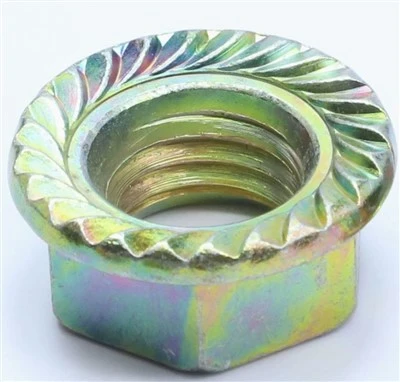
Hex Nut If you’re ready to explore blind rivet options for your project, feel free to reach out to our team to discuss your specific needs. We can help you select the right rivet type, tooling, and installation support to fit your assembly process.
Hebei Kappa Metal Products Co., Ltd.
Hebei Kappa Metal Products Co., Ltd. is one of the most experienced blind rivet manufacturers and suppliers in China. With a professional production team, we are able to meet the needs of the majority of our customers. Please rest assured to buy bulk high quality blind rivet in stock here from our factory.
Address: C2-11, Hebeipu Standard Parts Industrial City, Linmingguan Town, Yongnian District, Handan City, Hebei Province
E-mail: rick@kappafasteners.com
WebSite: https://www.kappafasteners.com/
