If you’ve ever walked past a metal fabrication shop at 2 a.m., you’ve probably spotted the distinct blue flame of an oxygen welding machine cutting through steel, or a welder steadying a torch to fuse two pieces of aluminum like they’re twisting wire together. As a supplier who’s spent the last 12 years selling, troubleshooting, and training teams on this equipment, the question I get more than any other is: Is it difficult to operate an oxygen welding machine? Oxygen Welding Machine
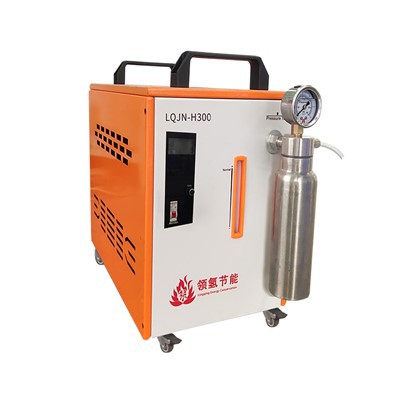
The short answer? It’s not rocket science—but it’s also not something you can pick up in 10 minutes and get right every time. I’ve seen a 19-year-old apprentice nail a precision aluminum weld on his third try, and a 50-year-old veteran welder fumble a simple steel joint because he cut corners on safety checks. Most of the confusion comes from mixing up old myths, the sheer range of machine types, and skipping the small, non-negotiable steps that separate a safe, strong weld from a dangerous mess. Today, I’m breaking this down from the perspective of someone who’s been on both sides: selling these machines to small shops and big manufacturing firms, and fixing the ones users messed up because they thought it was “too easy” to mess up.
First, let’s stop lumping all oxygen welding machines into one box. A lot of people ask about “oxygen welding” like it’s a single tool, but there are three main types, and each has its own learning curve. The first is the portable acetylene-oxygen combo unit—this is the workhorse for hobbyists, small automotive repair shops, and metal artists. You fill the tanks (or exchange them at a welding supply store), hook the hoses, and you’re ready to go. The second is the high-capacity central oxygen welding system, used in automotive assembly lines or structural steel yards; these are connected to bulk tanks, regulated at a fixed pressure, and have multiple torches running at once. The third is the oxy-fuel cutting machine, which uses the same oxygen principle but for slicing metal instead of fusing it—often confused with welding, but it’s a separate skill.
For someone starting out, the portable unit is the least intimidating, but that’s where most new users slip up. I once had a guy come to my shop with a portable acetylene-oxygen machine he’d bought online, complaining it “never works right.” When I checked his setup, he had the hoses swapped: oxygen hose (green) hooked to the acetylene regulator (red). That’s a classic mistake, and it’s not just a hassle—it can cause a flashback, a small flame that travels up the hose to the tank, which is why regulators have built-in flashback arrestors. Here’s the thing: if you skip the pre-use checks, you’re not just making operation hard—you’re making it dangerous. I can’t count how many times I’ve taught a 30-minute safety module to new buyers, only to have them try to fire up the machine before I even finish explaining the arrestors. That’s the real “difficulty”: not the welding itself, but the prep work that most manuals gloss over.
Let’s talk about the actual welding part—fusing metal. When you strike a torch, you’re mixing oxygen (a reactive gas that fuels combustion) with a fuel gas, usually acetylene, to create a flame hot enough (around 5,500 degrees Fahrenheit, for context, steel melts at 2,750 degrees) to melt metal. The skill here isn’t just holding the torch steady—it’s balancing the flame. Most new welders run a “carburizing flame” (too much fuel, yellow, sooty) which makes the weld soft and prone to cracking, or an “oxidizing flame” (too much oxygen, sharp, blue) which eats away at thin metal like a acid. Getting a neutral flame—the sweet spot where oxygen and fuel are perfectly balanced—takes practice. I tell new users to start with a small piece of scrap steel, not their first customer job, to mess up. A common mistake here is rushing: a welder who moves too fast will leave gaps, and one who moves too slow will burn through the metal. It’s like learning to drive a stick shift: you don’t nail it on the first try, and that’s okay. The problem is, people often give up after a couple of bad tries because they think it’s “too difficult,” not realizing that 80% of the issue is calibration, not skill.
Now, what about advanced operations? For someone welding thick structural steel or thin aluminum panels, the learning curve gets steeper, but not impossible. Structural welding requires reading metal thickness, adjusting gas pressure (thicker steel needs higher pressure, thin steel needs lower), and using filler rods to fill gaps. I recently trained a team at a bridge construction company, and their lead welder, with 10 years of experience, still had to adjust his technique for a new batch of high-strength steel—something no automated machine can do. For specialty metals like copper or titanium, you need specialized torches and gas mixes, but that’s not “difficult” so much as it’s “specific”—same as learning to use a different power tool for hardwood vs. concrete.
The biggest myth I hear is that oxygen welding is dying, replaced by MIG or TIG welding. Sure, MIG is easier for some hobbyists, but oxygen welding has unique benefits that make it worth learning for many shops. It’s portable—you can take the tanks to a job site without plugging into electricity, which is a game-changer for rural repair or metal art projects. It works on any metal, including steel, aluminum, and copper, without the wire feed limitations of MIG. And it’s cheaper for small shops: a portable oxygen welding machine costs a fraction of a TIG setup, and the gas is easy to source. But here’s the catch: those benefits only matter if you know how to use the machine right. A shop owner who skips training won’t get the strength or portability they’re promised, and will go back to saying “oxygen welding is too difficult.”
As a supplier, I’ve seen how much difference good training makes. Last year, we worked with a small auto body shop that had bought a portable oxy-acetylene unit from a big box store, and it sat in the corner for six months unused—they’d tried it once, burned a hole in a fender, and wrote it off. We sent a technician out for a two-hour training session, and now they use it to fix exhaust pipes, bend metal brackets, and even make custom parts for classic cars. That’s the secret: it’s not the machine that’s difficult, it’s the lack of guidance. We’ve built our sales process around that now—when a customer buys an oxygen welding machine from us, we include a free 90-minute training session, either in-person or virtual, to walk through setup, calibration, and basic welds. It’s cut our return rate for machines by 40% in two years, because people aren’t buying a tool they don’t know how to use.
Of course, there are hard limits. If you’re looking for a machine that can be operated without any training, oxygen welding isn’t for you. It’s a manual skill, not a push-button process, and that’s a good thing—welds done right with oxygen are more durable than many automated welds, because the welder can adapt to imperfections in the metal. I’ve also seen people who make it harder than it needs to be by ignoring safety protocols: wearing loose clothing around a torch, not having a fire extinguisher nearby, or skipping pressure checks. Those are avoidable mistakes, but they add to the perception that the machine is difficult. The fact is, any power tool that operates at thousands of degrees has a learning curve—if you think a circular saw is easy, try operating a chainsaw or a plasma cutter, and you’ll realize that even the “simple” tools have rules.
So, to wrap this up: Is it difficult to operate an oxygen welding machine? The answer is, it’s a skill, not a talent. Most people can master the basics in a few practice sessions, as long as they take the time to learn the prep steps (checking hoses, calibrating the flame, safety protocols) before diving into actual welding. Advanced operations take more time, but they’re accessible with good training and practice. The biggest barrier isn’t the machine itself—it’s the misinformation about how easy or hard it is, and the lack of support for new users.

If you’re considering adding an oxygen welding machine to your shop, don’t let the stories of “difficulty” scare you off. Our team specializes in matching the right machine to your needs, and providing the training to get you up and running safely. Contact us to discuss your specific requirements, whether you’re a hobbyist working on a personal project or a business looking to scale your metal fabrication operations.
Brown’s Gas Generator References
- Welding Industry Alliance. (2022). Oxy-Fuel Welding Safety and Operation Best Practices.
- Smith, J. (2021). Portable Welding Equipment: A Guide to Selection and Use. Fabrication Management Journal.
- National Institute for Occupational Safety and Health (NIOSH). (2020). Safety Protocols for Oxygen-Fuel Gas Systems in Metal Fabrication.
- Metal Arts Association. (2023). Oxygen Welding for Small-Scale Metal Work: Skill Building Tips.
Jiangsu Lingqing Energy-saving Technology Co., Ltd.
We are one of the most reliable oxygen welding machine manufacturers and suppliers in China. With abundant experience, we warmly welcome you to buy customized oxygen welding machine made in China here from our factory. If you have any enquiry about quotation, please feel free to email us.
Address: Building #7, No. 1 Linhe Road, located on the west side of Anlan Road and north of Linhe Road, Huaiyin District, Huaian City, Jiangsu Province.
E-mail: jslingqing@163.com
WebSite: https://www.lingqingtech.com/
