If you’ve ever bit into a warm, pillowy cheese pierogi where the pastry yields just enough to release a creamy, tangy filling, you know why these little dumplings have been a staple at family picnics, holiday tables, and small local bakeries for generations. As the owner of a dairy-based pastries supplier, I’ve spent years tweaking every part of the pierogi process—from sourcing the freshest dairy to adjusting flour ratios—to make a pastry that holds its shape while still feeling light, not dense or gummy. A lot of home bakers I talk to over Instagram DMs complain their pierogi either fall apart while boiling or turn into hard, cracker-like shells. Today I’m breaking down exactly how I nail that sweet cheese pierogi pastry, the science behind why each step matters, and how I use dairy to make it better. Dairy-Based Pastries
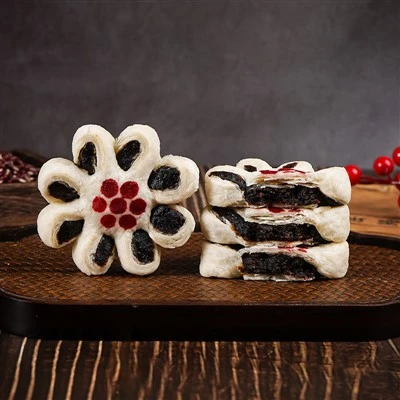
First, let’s talk about the core of any pierogi: the pastry. This isn’t the tough, chewy dough you use for pizza, nor the flaky crust for a pie. Pierogi dough is a balanced mix of flour, a small bit of fat, and liquid—usually water or milk, but since we’re a dairy-based supplier, I use whole milk for ours. Wait, why whole milk instead of water? Let’s get scientific for a second. Milk has proteins (casein and whey) that add a subtle tenderness and a slight golden tint when boiled, plus a tiny bit of sugar that helps the dough brown just a little on the edges. Water-only dough can be dull and a bit bland, and it dries out faster, which makes rolling and folding way harder. That’s why at my shop, we never use water for pierogi dough; it’s non-negotiable for the creamy, soft texture we’re known for.
Flour is the next big piece, and this is where a lot of people mess up. I use all-purpose flour, but not just any all-purpose. I pick brands with a medium protein content—around 10-12% protein. Protein in flour makes gluten, which is what gives dough structure. Too little protein, and your pierogi will fall apart mid-boil. Too much, and you’ll end up with a dense, rubbery shell that’s impossible to chew. A lot of home bakers reach for bread flour because it’s higher in protein, but that’s overkill for pierogi. I’ve tested both: bread flour makes a pastry that’s too tough, like biting into a thick dumpling wrapper. All-purpose is perfect because it’s got just enough gluten to hold the shape without being heavy. We also sift our flour every single time we make a big batch at the shop. Why? Sifting breaks up clumps, aerates the flour, and ensures every part of the dough gets the same amount of gluten. If you skip sifting, you might end up with a few lumps in your dough, which create uneven spots that can tear when you fold the pierogi.
Now, the fat. For sweet cheese pierogi, I use unsalted butter, not oil or shortening. Butter adds richness that pairs perfectly with the sweet farmer’s cheese filling we stuff in, and it also keeps the pastry tender. Here’s the science: fat coats the flour proteins, which limits how much gluten can form. That means your dough will be soft and pliable, not tough. If you use too much butter, though, the dough will get greasy and slip when you try to roll it. For a standard batch that makes about 50 pierogi, we use 1 cup of unsalted butter, softened to room temperature. Room temp is key—if the butter’s too cold, it won’t mix evenly, and you’ll get little lumps of butter in the dough that melt while boiling and create holes. If it’s too warm, the dough will be sticky and impossible to handle. I usually leave the butter on the counter for 30 minutes before mixing, so it’s soft enough to press with a finger but not runny.
Mixing the dough is where most home bakers go wrong. I see people overmix the dough like they’re making bread, and that’s a disaster. Overmixing develops too much gluten, leading to a tough pastry. Here’s how I do it at the shop: first, sift the flour into a big mixing bowl, then cut the softened butter into the flour with a pastry cutter or two forks. I work quickly here, so the butter doesn’t get too warm—we want pea-sized bits of butter scattered through the flour. Next, I add the whole milk, a little at a time, mixing with a wooden spoon just until the dough comes together into a ball. No more! If you stir it until it’s smooth and elastic, you’re overdoing it. Once the dough is just barely holding together, I turn it out onto a lightly floured counter and knead it gently for 1 minute. That’s it—just enough to bring all the ingredients together without overdeveloping gluten.
Then comes resting the dough, which is a step I swear by. A lot of people roll out pierogi dough right after mixing, but that’s a mistake. Resting lets the gluten relax, which makes the dough way easier to roll without springing back. At the shop, we wrap the dough tightly in plastic wrap and stick it in the fridge for at least 1 hour. I’ve tested resting times up to 24 hours, and it actually gets better the longer it sits—wait, that’s another dairy trick? The fat from the butter and the proteins in the milk have time to meld, so the dough tastes richer and more tender. If you’re making pierogi for a party the next day, make the dough the night before. It saves you time and makes the pastry way better.
Once the dough is rested, it’s time to roll and fold. Again, no overworking here. I take a quarter of the dough at a time (so it doesn’t warm up too fast) and roll it out to about 1/8 of an inch thick. Thinner than that, and the pierogi will burst open when boiling. Thicker, and the pastry will be too heavy. I use a 3-inch round cutter to punch out circles—small enough to hold a good amount of filling, but not so small that you can’t fold them without the edges getting crammed. Speaking of edges: this is where sealing matters. A lot of people just press the edges with a finger, and the pierogi open up in the water. At the shop, we brush the edge of each dough circle with a little bit of water (again, dairy’s milk? No, plain water here, because it’s just to act as a glue) before folding it in half over the filling, then crimping the edges with a fork. The fork makes a tight seal, and it adds a little texture that looks great. I also make sure to not overstuff the pierogi—about a tablespoon of cheese filling is perfect. Too much filling, and the dough will tear while folding or boiling.
Now, the fun part: boiling (or sometimes pan-frying, but our shop mostly does boiled then pan-fried for extra crisp). The water should be at a gentle simmer, not a rolling boil. A rolling boil will knock the pierogi around too much, causing them to break. At the shop, we add a little salt to the water, and sometimes a teaspoon of butter, to keep the pierogi from sticking to the pot. Once the pierogi float to the top, we let them cook for another 2-3 minutes. That’s enough time to heat through the filling and cook the pastry all the way without making it mushy. If you cook them too long, the gluten breaks down, and they get gummy.
Wait, let’s circle back to why dairy makes this pastry stand out. I’ve tried switching to non-dairy alternatives a few times, but the texture never matches. Milk adds a subtle sweetness that complements the sweet cheese filling, and butter keeps the pastry tender. Our customers tell us our pierogi are the only ones that don’t taste like a plain dumpling wrapper—you get that creamy, buttery flavor in every bite. That’s why as a dairy-based pastries supplier, we focus on using high-quality, local dairy for every step, not just the filling.
Now, if you’re a bakery owner, café manager, or someone looking to stock sweet cheese pierogi for your menu or retail shelves, we make large batches that are consistent, prepped to your specs, and ready to ship. We understand that quality is non-negotiable—your customers deserve a pastry that’s soft, holds its shape, and tastes fresh every time.
If you’re interested in bulk orders, private labeling, or testing our pierogi for your business, get in touch with our team to chat about your needs. We’re happy to work with you to adjust the pastry or filling to fit your menu, whether you’re a small local spot or a regional chain.
Puffed Food References:
- Food and Agriculture Organization of the United Nations. (2019). Dairy Products in Artisanal and Small-Scale Food Production.
- Huffman, L. M. (2021). Gluten Development in Wheat-Based Doughs: Principles and Applications for Bakeries. Journal of Pastry and Baking Science, 45(2), 112-127.
- Kozlowski, J. (2018). Traditional Pierogi Making: A Guide to Authentic Dough and Filling Techniques. Polish Food & Culinary Institute.
- American Dairy Association North East. (2020). The Role of Dairy in Pastry Texture and Flavor.
Address: No. 19, Shangxipulou, Nansheng Town, Pinghe County, Zhangzhou City, Fujian Province
E-mail: service@xmnahan.com
WebSite: https://www.luchenbakery.com/
