If you’ve ever stood on a construction site watching a crane hoist hundreds of pounds of steel beams dozens of feet in the air, or seen a delivery truck come to a smooth, controlled stop at a crosswalk, or even pumped a smooth latte from a commercial espresso machine, you’ve interacted with a part of machinery that most people never notice: hydraulic accumulators. For the past seven years, I’ve run a small, specialized accumulator supply business, and I can tell you that these unassuming components are far more than just “pressure holders.” They’re the quiet workhorses that keep millions of systems running safely, efficiently, and reliably across industries I never even would have guessed when I first started sourcing parts for local construction companies. Accumulator
I get questions all the time from new clients and even some seasoned industry folks asking the same thing: “Where do you actually use accumulators?” It’s a fair question. Most laypeople haven’t heard of them, and even in technical circles, they’re often overshadowed by flashier parts like pumps or motors. But let’s break this down by industry, because that’s the clearest way to see just how widespread these parts are, and why my team and I stay busy fulfilling orders for everything from tiny, custom accumulators for medical devices to heavy-duty units for offshore oil rigs.
First, and maybe most obviously, the construction industry. I cut my teeth here, and it’s still one of our biggest customer bases. Construction equipment—excavators, bulldozers, cranes, dump trucks, even the small skid-steers you see landscaping with—runs on hydraulics. Those hydraulics need consistent pressure to lift heavy loads, move arms, and operate tracks, and that’s where accumulators come in. Let’s take an excavator first. When you’re digging a trench and suddenly hit a rock that jars the hydraulic system, the pressure spikes. That sudden spike can damage hoses, seals, and pumps, leading to costly downtime. An accumulator absorbs that excess pressure, like a shock absorber for a fluid system, keeping pressure within safe limits so the excavator can keep working without a breakdown.
Then there’s the big, heavy stuff: crawler cranes. These cranes lift 100-ton steel beams for skyscrapers, and they need ultra-smooth control when lowering those beams into place. If the hydraulic pressure drops even slightly during a lift, the beam could sway, causing a safety hazard. Accumulators store pressurized fluid that they release gradually when the system pressure dips, maintaining a steady force on the crane’s arm. I remember a job a few years back for a crew building a 40-story apartment complex in the suburbs. They had a crane that was experiencing random pressure drops during high lifts, and no one could figure out why. They tried adjusting the pump, replacing hoses, nothing worked. When they brought in our accumulators, a single medium-sized unit fixed the problem. It turned out that when the crane’s arm was fully extended, the hydraulic flow needed a little extra stored pressure to avoid dips, and that’s exactly what the accumulator did. We’ve since gone back to supply parts for every new crane that fleet buys.
But construction isn’t just big machines on land. We also work with companies that do heavy marine construction—building docks, repairing underwater pipelines, even placing offshore wind turbine foundations. The subsea environment is brutal: constant pressure changes, saltwater corrosion, extreme temperatures. Accumulators here serve a dual purpose. First, they compensate for ambient pressure changes at different depths. A piece of equipment operating 500 feet below sea level has to handle the surrounding water pressure, and accumulators adjust the hydraulic system’s internal pressure to match, so the seals don’t get crushed or overextended. Second, they provide emergency power. If a piece of subsea equipment loses its main power source—say, a bolt breaks on a control valve—an accumulator has enough stored pressure to operate the valve and seal the equipment, preventing it from being damaged by the deep sea. That’s not just a convenience; in many cases, it’s a safety requirement for regulatory standards, and I’ve had clients tell me that a single accumulator saved them $2 million in lost equipment and fines when a power outage hit their subsea pipe repair system.
Next up, the oil and gas industry, which is another huge market for us, and one that’s pushed us to develop more custom accumulator models over the years. Onshore drilling rigs, offshore production platforms, even pipeline pumping stations—all rely on accumulators for critical functions. Let’s start with pipeline systems. These pipelines carry crude oil, natural gas, and refined products across thousands of miles, and they need to maintain constant pressure to keep the product flowing at a steady rate. Pump stations along the line have big reciprocating pumps that create pressure surges every time their pistons move. Those surges can cause water hammer—a sudden, violent pressure spike that can shake the entire pipeline, crack joints, or even rupture the line. Accumulators absorb those surges, smoothing out the pressure so the product flows evenly, and protecting the pipeline from damage. A few years ago, a major pipeline company came to us after a pressure surge ruptured a 10-foot section of pipeline in rural Texas, shutting down deliveries for 3 days and costing them over $500,000 in lost revenue. They installed our high-pressure, large-capacity accumulators at each pump station, and they haven’t had a similar surge issue since.
In offshore oil and gas, accumulators are lifelines for emergency shutdown systems. On a production platform, if there’s a leak, a fire, or any other hazard, you need to shut down operations fast to prevent a disaster. The emergency shutdown (ESD) system uses hydraulic valves to close wells, stop pumps, and seal off pipelines. These ESD systems have backup accumulators that hold enough pressurized fluid to operate all the critical valves for at least 30 minutes—sometimes longer, depending on the platform’s location. That gives the crew time to evacuate, or for other emergency response teams to arrive, without risking a blowout or a massive oil spill. We’ve supplied these ESD accumulators to rigs in the Gulf of Mexico, the North Sea, and even off the coast of West Africa, and one of our most popular models for this application is a heavy-duty, corrosion-resistant unit that can operate in temperatures from -40°F to 180°F, perfect for the extreme conditions those platforms face.
Moving away from heavy industry, there’s the power generation sector, which is a bit more underrated but still a key user of accumulators. Power plants—whether they run on coal, natural gas, nuclear, or even renewable sources like wind or solar—have hydraulic systems that need stable pressure. Let’s take a traditional coal-fired power plant first. These plants use large valves to control the flow of steam to the turbines, and those valves need precise, consistent pressure to open and close at exactly the right time. Accumulators make sure that even when the plant’s main hydraulic pump is running at full capacity, the valves get the steady pressure they need, so the turbine runs efficiently and the plant can generate power reliably.
Renewable energy is a growing area for us too. Wind turbines, for example, have large rotor blades that need to adjust their angle (called pitch control) to capture the most wind, reduce stress during strong gusts, and even shut down safely in storms. Each wind turbine has pitch control systems that use hydraulic accumulators. If the turbine loses power from the grid, the accumulator stores enough pressure to adjust the blades to a feathered position (parallel to the wind) so the turbine doesn’t spin out of control. We’ve worked with a few wind farm operators in the Midwest who had issues with pitch control failures during sudden wind gusts, and replacing their old accumulators with our higher-density units cut their failure rate by 85% in the first year. Solar farms, especially large utility-scale ones, use accumulators too—for tracking systems that tilt the solar panels to follow the sun, keeping them at the optimal angle all day. These tracking systems are often in remote, dusty areas, so the accumulators have to be durable, and they’ve proven to be far more reliable than purely electric alternatives in that harsh environment.
I never would have guessed how involved accumulators are in the automotive industry until a car parts manufacturer contacted us a few years back. Modern cars, especially electric and hybrid models, have a lot of hydraulic systems: brake systems, power steering, suspension, even transmissions. Brake accumulators are a big one—they store hydraulic pressure for anti-lock brake systems (ABS) and electronic stability control (ESC). When you hit the brakes hard, the ABS needs to pump fluid quickly to prevent the wheels from locking, and the accumulator provides that extra flow without putting extra strain on the main brake pump. Some electric cars even use accumulators for their energy storage, though that’s a newer application that’s still evolving. We supply small, compact accumulators to auto parts makers in Michigan and Ontario, and I’ve seen firsthand how even a tiny, palm-sized accumulator can improve a car’s safety and performance.
Then there’s the medical field, which is maybe the most surprising use case for me. A few years ago, a medical device startup came to us needing custom accumulators for portable dialysis machines. Dialysis machines need consistent pressure to pump blood out of a patient’s body, through the filter, and back in, and sudden pressure changes can harm the patient. The portable machines are used in clinics, homes, and even ambulances, so they need to be compact and reliable. Our custom, low-profile accumulators fit perfectly into the device, absorbing pressure spikes and keeping the flow steady. We also supply accumulators for surgical tools—like the robotic arms used in minimally invasive surgery, where even a tiny pressure fluctuation can cause the robot to move incorrectly, leading to mistakes during the procedure. Medical accumulators have to meet strict FDA standards, which means our team has to go through extra testing and documentation, but it’s worth it to know our parts are helping save lives.
Even everyday consumer goods rely on accumulators, and that’s the part I love most—seeing how a part I supply ends up in something people use every day. Commercial espresso machines, for example, use accumulators to maintain consistent water pressure when brewing espresso. Espresso needs exactly 9 bars of pressure to pull a proper shot, and if the boiler’s pump kicks on every time you pull a shot, the pressure drops and the shot is thin or bitter. An accumulator stores pressurized water, so when you pull the lever, the accumulator releases a steady flow of water at 9 bars, and the pump only kicks in to recharge the accumulator, not during the shot. That’s why a good espresso machine makes a perfect shot every time, even if you pull it one after another. We supply small food-grade accumulators to espresso machine manufacturers in Italy, the U.S., and across Europe, and I’ve even had baristas tell me they can tell the difference in shots when a machine has a properly working accumulator.
Another consumer use is in fire trucks. Fire trucks have hydraulic systems for extending ladders, operating water pumps, and raising the truck’s stabilizers to keep it steady when on uneven ground. The stabilizer systems especially need accumulators—if the fire truck’s pump fails during a call, the accumulator has enough pressure to retract the stabilizers safely, so the truck can be driven away. We supply accumulators to fire departments across the country, and a lot of our orders come in during the winter, when ice and snow make the ground uneven, increasing the stress on the stabilizer systems.
Now, you might be wondering why my business focuses specifically on accumulators. The short answer is that they’re a niche part, but they’re critical to so many different industries, and a lot of suppliers don’t have the expertise to make custom accumulators for unique applications. Over the years, I’ve built a team of engineers who understand fluid dynamics, material science, and the specific requirements of different industries, so we can tailor accumulators to fit exactly what a client needs—whether that’s a tiny unit for a medical device, a high-pressure unit for an oil pipeline, or a corrosion-resistant unit for an offshore wind turbine. I don’t just sell parts; I work with clients to troubleshoot their systems, figure out what kind of accumulator they need, and make sure it’s installed correctly, because I know that even a small mistake with an accumulator can lead to big problems.

If you run a business or manage a system that uses hydraulic or pneumatic power, and you’re dealing with pressure spikes, inconsistent flow, emergency power needs, or downtime from equipment failures, chances are an accumulator can help. We’ve worked with small local construction companies and large multinational corporations alike, and we can handle orders of any size, from a single custom unit to bulk orders for a new construction project or wind farm. We pride ourselves on fast turnaround times, competitive pricing, and the kind of customer service that comes from knowing exactly what you’re getting—no hidden fees, no generic parts that don’t fit, just reliable accumulators that keep your systems running.
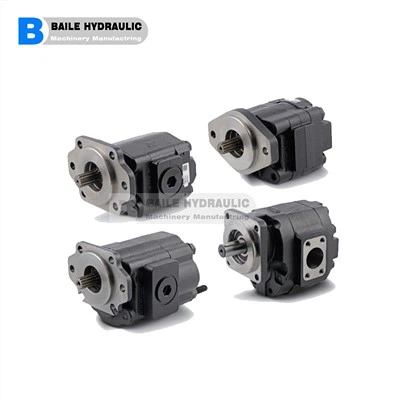
REXROTH Series Gear Pump If you’re looking to reduce equipment downtime, improve safety, increase efficiency, or solve a persistent pressure-related problem in your operations, I’d be happy to chat through your needs. Just reach out to discuss your requirements and how our accumulator solutions can support your business goals. You can count on us to deliver quality parts and expertise that you won’t find from big-box industrial suppliers, because we’re a team that’s been in the field, seen the problems firsthand, and built our business on solving them.
References
- Hydraulic Institute. (2020). Hydraulic Accumulator Applications and Selection Guide. Hydraulic Institute, Cleveland, OH.
- American Petroleum Institute. (2021). Specification for Emergency Shutdown Systems for Offshore Operations (API RP 14C). American Petroleum Institute, Washington, DC.
- International Organization for Standardization. (2019). Hydraulic Fluid Power – Accumulators – Safety and Installation Requirements (ISO 10160). ISO, Geneva, Switzerland.
- National Fire Protection Association. (2022). Standard for Automotive Fire Apparatus (NFPA 1901). NFPA, Quincy, MA.
- U.S. Food and Drug Administration. (2021). Class II Medical Device Premarket Notification (510(k)) Guidance for Hydraulic Surgical Instruments. FDA, Silver Spring, MD.
Shijiazhuang Baile Electromechanical Equipment Co., Ltd.
Shijiazhuang Baile Electromechanical Equipment Co., Ltd. is well-known as one of the leading accumulator manufacturers and suppliers in China. If you’re going to buy high quality accumulator at competitive price, welcome to get more information from our factory.
Address: Torch Industrial Zone, Licheng District, Quanzhou City, Fujian Province
E-mail: sales02@bailehydraulic.com
WebSite: https://www.bailehydraulic.com/
