If you’re like most people running a business or even just keeping a busy garage, you’ve probably stared at a messy pile of power plugs and cords at some point. You know the feeling—one minute that extension cord was coiled neatly, the next it’s tangled around a ladder, frayed at the end, or half-buried under a box of old holiday lights. As a power plug and cord supplier, I’ve seen this problem way too often, and let’s be real: storing these items wrong doesn’t just make your garage look chaotic. It’s a safety hazard too. Tangled cords get stepped on, tripped over, and weakened over time, while plugs can get bent or coated in dust and grime that makes them unreliable when you need them most. Power Plug and Cord

I’ve learned through years of working with all kinds of folks—from DIY enthusiasts to small construction teams—that the right way to store power plugs and cords doesn’t have to be fancy. It just has to be smart, safe, and easy to pull up when you’re mid-project. Let’s break this down step by step, no stuffy jargon, just real tips I’ve picked out from trial and error.
First off, think about what you’re actually storing. Not all power plugs and cords are the same, right? You’ve got heavy-duty extension cords for lawn mowers or power tools, lighter ones for holiday decorations or small appliances, and then specialty cords that come with specific plugs—like the ones for your shop vac or a portable generator. The storage method that works for a 100-foot outdoor cord isn’t going to work for a 10-foot indoor appliance cord. That’s the first mistake people make: they use one-size-fits-all storage and end up with tangled junk.
Let’s start with the basics you should have on hand. You don’t need to go out and buy a bunch of expensive gear, but a few simple things make a huge difference. I keep a roll of heavy-duty zip ties, some canvas storage bags (old tool bags work great too), a few wall-mounted hooks, and a set of cord reels in my garage. Oh, and a small pair of scissors or a utility knife—nothing fancy. Those are the go-to tools I use every time I put cords away.
Now, the biggest rule before you even start storing: always unplug and clean your cord first. I know, I know—when you’re wrapping up a project, you just want to get inside and relax. But skipping this step is a quick way to ruin your plugs. Dust, dirt, grass clippings, and even leftover concrete from a construction job can build up in the prongs of the plug and the ends of the cord. That not only makes the plug harder to insert into an outlet next time, but it can also cause electrical arcing over time, which is a fire risk. I make it a habit: every time I take a cord out, I give the plug a quick wipe with a damp cloth (just don’t soak it!) and shake out any debris from the cord. If the cord’s really dirty, a quick rinse with mild soap and water works, but make sure it’s fully dry before storing it—moisture inside the cord is a no-go for electrical gear.
Next up, coiling the cord the right way. This is where most people mess up. If you just twist the cord into a random pile, you’re going to get knots that are almost impossible to untangle later. The proper way to coil a power cord (I learned this from a veteran electrician I worked with early on) is the “figure-eight” coil. Let me walk you through it: hold one end of the cord (the plug end, for example) in your dominant hand, and the other end (the free end) in your other. Stretch the cord out a few feet so there’s no slack. Then, make a loop with your right hand, cross it over a loop with your left hand to make an eight shape, and keep repeating that. This method keeps the twists and knots from forming because every other loop is oriented the opposite way. I’ve tested this with 50-foot extension cords and even heavy-duty 100-foot ones—they never tangle, and when you unwind them, they lay flat right away. No more stopping mid-project to fight a knotted cord, trust me.
Wait, what about if you have a plug that’s already damaged? I see this all the time: people store cords with bent prongs, frayed insulation, or cracked plug covers. Don’t do that. A bent plug might seem fine, but if it’s stored that way, the metal prongs can snap off or cause a short when you plug it in later. If the damage is minor—like a bent prong that you can gently straighten with pliers—fix it before storing. If it’s frayed insulation or a cracked plug, toss that cord. It’s not worth the safety risk. As a supplier, I always tell my customers: a little upkeep on your cords saves you from having to replace them every year, which is way cheaper in the long run.
Now, where do you put all those coiled cords? Garage space is tight, so you want storage that’s efficient but also keeps your cords accessible. Let’s go through the best options, depending on how much space you have and what kind of cords you’re storing.
First, wall-mounted hooks. These are perfect for smaller cords—like the 10- to 20-foot ones for Christmas lights, power drills, or small appliances. I use heavy-duty steel hooks that screw into the studs in my garage, not just drywall (drywall hooks can’t hold the weight of a long cord, and you’ll end up with a hole in the wall). The figure-eight coiled cord fits right over the hook, and you can even label them with a Sharpie so you know which is which: “Christmas lights 20ft,” “Drill cord,” etc. No more rummaging through a bin to find the right cord.
For longer, heavier cords—like 50- or 100-foot outdoor extension cords—cord reels are a game-changer. I’ve tried hanging coiled cords on hooks, and they always pull loose and end up on the floor. A cord reel (the kind you mount on the wall or even a freestanding one) lets you wrap the cord neatly without tangling, and most of them have a handle that makes unwinding quick and easy. I keep a 100-foot heavy-duty cord on a wall reel near my garage door, perfect for running power to the lawn mower or a job site right outside. Pro tip: get a cord reel that has a storage compartment for the plug end, so the prongs don’t get damaged or coated in dust.
If you’re short on wall space, storage bins work, but only if you do it right. Don’t just throw all your cords into a random bin—they’ll tangle so bad you’ll never use them again. I use large, plastic storage bins with lids, and I separate the cords inside: small cords in one bin, heavy-duty ones in another. Before putting them in, I coil each one with the figure-eight method and wrap a zip tie around the middle to keep it from coming undone. Add a label to the outside of the bin, like “Small Appliance Cords” or “Outdoor Extension Cords,” and you’ll be able to grab the right one in seconds. Also, make sure the bins are off the floor—garages get damp sometimes, and moisture can cause rust on metal plugs or rot on cord insulation. Put them on a shelf or even elevate them with cinder blocks if needed.
Wait, what about specialty cords? Like the ones for generators, air conditioners, or RVs? These are usually longer and heavier, so they need a bit more care. I have a dedicated cord reel for my generator cord, and I store it near the generator so I don’t have to drag it across the garage every time there’s a power outage. Generator cords are usually rated for high wattage, so storing them correctly keeps the insulation from cracking or fraying, which is critical for safety.
Another thing people overlook: don’t store cords near sharp tools or chemical cans. Your garage has all kinds of stuff—nails, saw blades, paint cans, fertilizer—all of which can damage cord insulation if they rub against it over time. I keep my cord storage areas at least a foot away from my tool bench and any chemical storage bins. It’s a small step, but it prevents cuts or tears in the cord that could lead to electrical issues.
Let’s talk about common mistakes I see people making, just so you can avoid them. First, don’t leave cords coiled too tight for too long. If you wrap a cord super tight and leave it that way for months, it can develop a “memory” and won’t lay flat anymore. That’s a pain, especially if you have a long cord. Leave a little slack when you coil it, so it stays flexible. Second, don’t store cords in direct sunlight. Garage windows let in UV rays, which break down cord insulation over time. If you have a window in your garage, keep your cord storage out of the direct sun—store cords inside cabinets or on shaded walls. Third, don’t use rubber bands or thin ties to secure coiled cords. Those can break easily, and if a cord comes undone and falls, it might get stepped on or damaged. Heavy-duty zip ties are worth the tiny extra cost.
I’ve tested a lot of these methods over the years, and I can tell you they work. Before I got my garage organized, I had a pile of 12 cords that I used twice a year—one was even frayed so bad I had to throw it out. Now, my cords last 2-3 times longer, and I never waste time untangling knots anymore. It’s saved me money and way too much frustration.
Now, if you’re someone who’s buying power plugs and cords for business (or even just for your home garage), I get it—you want products that stand up to this kind of storage. That’s why, as a supplier, I always make sure our cords are made with durable insulation, heavy-duty plugs, and tested for safety. Even the best cord won’t last if you store it wrong, but a cheap cord will fail even with perfect storage. So investing in quality power plugs and cords from a reliable supplier is half the battle.
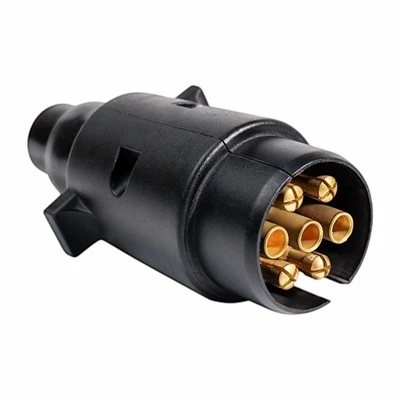
If you’re looking to stock up on cords for your garage, job site, or small business, or if you have questions about which type of cord works best for your space, I’m here to help. We carry a full range of extension cords, appliance cords, and specialty plug-and-cord assemblies, all designed to hold up to regular use and proper storage. Whether you need a 10-foot indoor cord for a workshop, a 100-foot heavy-duty outdoor cord for landscaping, or a generator-specific cord for emergency power, we’ve got you covered. Don’t hesitate to reach out to our team to talk through your needs, get a custom quote, or ask any questions about how to best store and use your power gear.
America Standard Extension Cord References:
- Electrical Safety Foundation International. (2022). Extension Cord Safety Tips. Retrieved from ESFI website
- Occupational Safety and Health Administration. (2021). General Duty Guidelines for Electrical Equipment Storage. Retrieved from OSHA website
- National Electrical Manufacturers Association. (2020). Guidelines for Cord and Plug Storage and Maintenance. Retrieved from NEMA website
Yuyao Mideal Electric Co., Ltd.
Yuyao Mideal Electric Co., Ltd. is one of the most professional power plug and cord manufacturers and suppliers in China, also supports customized service. With abundant experience, we warmly welcome you to wholesale cheap power plug and cord in stock here from our factory. For price consultation, contact us.
Address: No.28, Lujiafan Road, Langxia Street, Yuyao City, Zhejiang Province, China
E-mail: manager@nbmideal.com
WebSite: https://www.midealcord.com/
