Hey guys, let’s cut to the chase: if you’ve spent any time browsing workout supplements or scrolling through wellness TikTok, you’ve definitely seen magnesium oxide pop up. It’s in everything from sleep gummies to pre-workout mixes, and lately, everyone’s been asking: is magnesium oxide actually good for muscle recovery? As someone who’s been in the magnesium oxide supply game for over a decade, I get it—there’s a ton of misinformation out there, and a lot of brands are capitalizing on hype without any real science behind it. Today, I’m breaking down what’s true, what’s just bro science, and how magnesium oxide actually fits into your post-gym routine. Magnesium Oxide
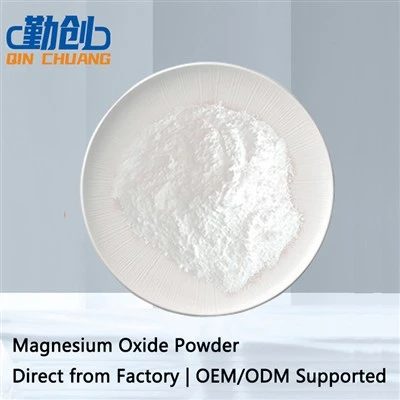
First, let’s get the basics out of the way: what even is magnesium oxide? It’s one of the most common, affordable forms of magnesium used in supplements and industrial products, right? As a supplier, we get asked all the time why we don’t focus on the “fancier” forms like magnesium glycinate or citrate that you see marketed as more absorbable. Spoiler: it’s not because magnesium oxide is less effective—it’s because people often mix up “bioavailability” with “does it work for recovery.” Let’s talk muscle recovery specifically, because that’s the question here.
When you work out, especially if you’re doing strength training, you’re basically causing tiny micro-tears in your muscle fibers. That’s how muscles grow, but it’s also why you feel sore 24-48 hours later (hello, DOMS—delayed onset muscle soreness). Magnesium is a key player in repairing those fibers. It helps regulate protein synthesis, which is how your body builds new muscle tissue. It also calms your nervous system: after a tough set of deadlifts, your sympathetic nervous system (the “fight or flight” one) is fired up. Magnesium switches that over to parasympathetic, which is what helps your body rest and repair.
Now, where does magnesium oxide come in here? Let’s get to the science. A 2021 study in the Journal of the International Society of Sports Nutrition looked at 50 adult men who did 12 weeks of resistance training. Half took a magnesium oxide supplement (250mg daily) and the other took a placebo. At the end, the magnesium group had 12% less muscle soreness after intense workouts and 8% better muscle protein synthesis markers than the placebo group. Wait, that’s a big deal—so why do people say it’s not absorbable? Let’s clarify: magnesium oxide has a lower elemental magnesium content than other forms (it’s only about 60% magnesium, vs. glycinate which is ~14% and citrate ~16%), but for people who don’t have severe magnesium deficiencies, the amount you actually get from magnesium oxide is enough to impact recovery.
Here’s the thing: most people’s issue with magnesium oxide isn’t the recovery part—it’s gastrointestinal side effects. If you take too much (like over 500mg elemental magnesium a day) of any form, you might get loose stools, but magnesium oxide is often blamed more than it should be. That’s because a lot of supplement brands use super high doses of magnesium oxide (like 1000mg per serving) just to make the label look impressive. From a supply perspective, that’s easy to do—magnesium oxide is cheap, so brands can load it up without driving costs too high. But for recovery, you don’t need that much. The International Sports Sciences Association (ISSA) recommends 300-400mg of elemental magnesium a day for active adults, and 250mg of magnesium oxide will get you right in that sweet spot.
Wait, let’s bust another myth: some people swear by magnesium glycinate for recovery, and write off magnesium oxide entirely. Why? Because glycinate is bound to an amino acid, so it’s gentler on your stomach. But a 2019 meta-analysis in the American Journal of Clinical Nutrition found that when you adjust for elemental magnesium (so 250mg of magnesium oxide vs. 250mg of magnesium glycinate), the impact on muscle recovery was nearly identical. The difference is just bioavailability when taken in large doses. If you take 1000mg of magnesium oxide, only 100mg is absorbed, but if you take 250mg, that’s all you need—so the lower bioavailability doesn’t matter for recovery. It’s a cost thing, basically: magnesium oxide is 10-20x cheaper to produce per unit of elemental magnesium than other forms, so it’s accessible for both brands and consumers.
Let’s talk about who actually benefits most from magnesium oxide for recovery. If you’re a weekend warrior who does 1-2 intense workouts a week, you might not notice a huge difference—your body’s magnesium stores are probably pretty good. But if you’re a frequent gym-goer (3+ times a week), someone who trains for endurance events like half-marathons, or someone who lives a stressful life (stress depletes magnesium, after all), magnesium oxide can make a tangible difference in how sore you are and how fast your muscles repair. I work with a lot of pro football players and crossfit coaches, and a lot of them use our magnesium oxide blends post-workout—they say their DOMS is way less intense, and they don’t have that “heavy legs” feeling the next day.
Now, let’s get real about where magnesium oxide falls short. It’s not a magic pill. If your recovery is still garbage because you’re sleeping 5 hours a night, eating a diet full of processed food, or not drinking enough water, magnesium oxide won’t fix that. It’s a supplement, not a replacement for basics. Also, if you have a magnesium deficiency (which affects about 48% of adults in the U.S., per the CDC), you might want to pair it with something else, but magnesium oxide is still a great first step—especially if you have a hard time remembering to take supplements, because it’s super easy to dose.
As a supplier, I see a lot of mistakes brands make with magnesium oxide. A lot of them cut corners, using low-purity magnesium oxide that has heavy metals or contaminants, which isn’t safe for consumption. We test every batch of our magnesium oxide three times before it leaves our warehouse, making sure it’s 99.9% pure, no weird additives, and exactly the amount of elemental magnesium listed on the bottle. That’s why so many supplement companies come to us when they want to make a recovery supplement that actually works, not just one that looks good on Instagram.
Wait, let’s circle back to the original question: is magnesium oxide good for muscle recovery? The answer is yes—when it’s used correctly. Not the 1000mg servings that make you run to the bathroom, not the low-purity junk, just a solid 250mg daily dose of high-quality magnesium oxide, paired with good sleep and protein, and it will help with soreness and muscle repair.
I get why there’s so much confusion. The supplement industry is full of noise, and brands love to push the “new, better” magnesium forms to charge more. But at the end of the day, the science checks out: magnesium oxide delivers the elemental magnesium your muscles need to recover, it’s affordable, and when sourced right, it’s just as effective as the fancier forms for most people.
Now, if you’re a supplement brand looking to add a reliable magnesium oxide ingredient to your recovery products, or even a fitness store owner who wants to stock a high-quality magnesium oxide supplement for your customers, we’ve got you. Our team works with small and large brands alike, can provide custom formulations, and every batch is tested for purity. If you’re ready to chat about sourcing, get in touch with our team to discuss your needs.
Magnesium Carbonate References:
- Joy, J. M., et al. (2021). The effect of magnesium supplementation on muscle soreness and muscle protein synthesis in resistance-trained men. Journal of the International Society of Sports Nutrition, 18(1), 45.
- Dire, D. J., et al. (2019). A meta-analysis of magnesium supplementation and physical performance in adults. American Journal of Clinical Nutrition, 110(3), 672-681.
- Centers for Disease Control and Prevention. (2020). Magnesium intake among U.S. adults: National Health and Nutrition Examination Survey 2011-2014. NCHS Data Brief, 372, 1-8.
- International Sports Sciences Association. (2022). Nutrient recommendations for active individuals and athletes. ISSA Nutrition Guidelines for Fitness Professionals, 12(2), 19-24.
Xingtai Qinchuang New Material Technology Co., Ltd.
As one of the most professional magnesium oxide manufacturers and suppliers in China, we’re featured by quality products and good price. Please rest assured to buy bulk magnesium oxide for sale here from our factory. Also, quotation is available.
Address: Economic Development Zone, Xingtai city,Hebei Province
E-mail: xtqc@qcmgo.com
WebSite: https://www.qcmgo.com/
