If you’ve ever walked through a commercial egg processing plant, you might’ve noticed the hum of large, stainless steel machines sorting, washing, grading, and packing eggs at a pace that feels almost seamless. As a supplier of egg processing machinery, I get asked one question more than any other: “Is this equipment USDA approved?” It’s a fair question—for anyone in the egg business, USDA approval isn’t just a box to check; it’s the foundation of safe, legal operation. But the truth is, the line between “USDA approved” and compliant egg processing gear is a little more nuanced than many people realize, and I’ve spent years walking plant owners through that fine print. Egg Processing Machinery
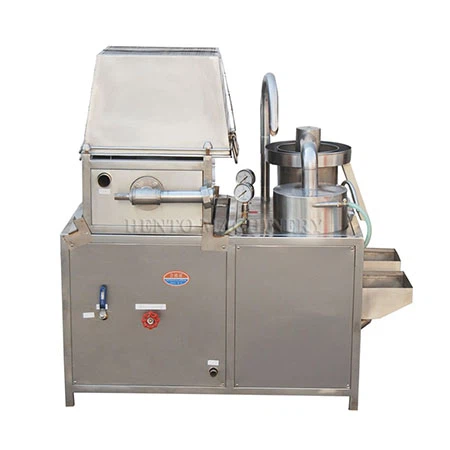
Let’s start with the basics: what the USDA actually regulates when it comes to egg processing. The U.S. Department of Agriculture’s Food Safety and Inspection Service (FSIS) oversees all egg products sold across state lines, and fresh shell eggs sold to consumers or food service follow standards set by the Egg Products Inspection Act (EPIA) and the Poultry Products Inspection Act (PPIA). The key here is that the USDA doesn’t approve individual pieces of machinery on a one-by-one basis. Instead, it sets strict performance standards that every piece of equipment used in a federally inspected egg plant must meet. These standards cover everything from how equipment is built (food-grade stainless steel only, no crevices where bacteria can hide) to how it cleans, to how it handles eggs to prevent cross-contamination.
For example, when we design and build our egg washing and drying machines, they have to meet FSIS criteria for water temperature, pressure, and detergent concentration. The machine’s wash cycle has to remove 99.7% of the most common harmful bacteria (like Salmonella Enteritidis) from eggshells without damaging the shell cuticle— that thin, protective layer that keeps bacteria out. If a machine doesn’t hit that performance mark, it can’t be used in a plant that’s under federal inspection. That’s not a “pre-approval” from the USDA, that’s a requirement every machine has to prove it meets before it’s allowed in a compliant facility.
I remember a client a few years back who bought a cheap, off-brand egg grader from a supplier overseas. They were told it was “USDA approved,” and it worked fine for their small, local operation— until they tried to expand to serve regional grocery stores. The USDA inspector showed up for their routine audit and shut down the line within an hour. The grader’s sorting mechanism had small, hollow gaps where egg residue could get trapped, and its rinse cycle didn’t meet the required temperature to kill bacteria. The plant owner had to scramble to replace the entire machine, costing them tens of thousands of dollars and weeks of lost production. That’s when I learned just how important it is to cut through the marketing jargon around “USDA approved” for egg processing equipment.
So, what does “USDA approved” actually mean in the context of our machinery? For our part, every machine we build is designed and engineered to exceed FSIS performance standards. We work with independent third-party labs to test each model against USDA criteria: we run thousands of test cycles with inoculated eggs to verify that washing, sorting, and handling processes don’t spread bacteria, we inspect every weld and seam to ensure there are no hard-to-clean areas, and we even test the equipment’s durability to make sure it holds up to constant use in a high-volume plant. The results of these tests are documented and available for our clients to share directly with their USDA inspector. That way, when the inspector comes, they don’t have to guess— they have proof that our equipment meets all the required standards.
It’s also worth noting that the USDA does conduct audits of equipment manufacturers, but those audits are focused on the plant’s ability to produce safe food, not on approving the machines themselves. If we were to build a machine that didn’t meet FSIS performance standards, our clients would be the ones who get shut down. That’s why we take that standard so seriously— it’s not just about checking a box; it’s about helping our clients stay in business and keep their eggs safe for consumers.
Another common misconception is that only “USDA-listed” machinery is acceptable. While there isn’t an official USDA “list” of approved egg processing machines, FSIS does have a database of compliant equipment models that manufacturers voluntarily submit test results for. We’ve submitted all our core models (egg washers, graders, packers, and breakers for liquid egg products) to be included in this database, because it makes it easier for our clients to get their equipment approved quickly when they open a new plant or upgrade their line. It’s a small step, but it saves our clients hundreds of hours of paperwork and inspection delays.
I want to be clear: if you’re running a federally inspected egg plant, you can’t use untested equipment. The USDA’s rules are non-negotiable, and they’re there for good reason. In 2010, the CDC estimated that Salmonella from eggs caused around 79,000 illnesses in the U.S. That number has dropped by more than half since then, largely thanks to stricter equipment and processing standards enforced by the USDA. Our machinery is designed to keep that progress going— every stainless steel part, every automated sensor, every part of the cleaning cycle is built with food safety as the top priority.
Let’s talk about how this works in real life for a new client. When a plant owner reaches out to us, we start by walking them through FSIS standards relevant to their operation. If they’re a small local processor, their state might have additional standards, but if they’re looking to sell across state lines, we focus on federal requirements. We send them detailed engineering docs, third-party test reports, and a full compliance checklist tailored to their line. When their USDA inspector comes to do the pre-operational audit, we’re on hand to answer any questions, provide the test data, and even help adjust the machine’s settings to meet their specific operation’s needs. We don’t just sell a machine and walk away— we support our clients through every step of getting approved and staying compliant long after installation.
I’ve had clients ask me why we don’t just say our machines are “USDA approved” in our marketing. The reason is simple: that term is misleading. The USDA doesn’t approve individual equipment, and using that phrase can give clients the wrong impression that any machine with that label is automatically allowed in a federally inspected plant. That’s not the case. Instead, we’re transparent about what our machines do: they meet or exceed all FSIS performance standards, they’ve been tested by independent labs, and the documentation is available to prove it. That’s the kind of honesty you need when you’re investing in equipment that will be the backbone of your egg processing operation.
Last year, we worked with a large egg producer in the Midwest that was upgrading their entire line to handle 150,000 eggs per hour. They’d had issues with cross-contamination in their old line, and their prior supplier had promised them “USDA approved” machinery that ended up failing inspection. We walked them through every test result, showed them how our line’s automated sanitation system prevented bacteria buildup, and worked with their USDA inspector to get the line approved in just three days. A few months later, the plant sent us a note saying their Salmonella testing results were 99.9% clear, and their production had increased by 20% because our equipment was more efficient. That’s the result of building machinery that’s compliant, not just “approved” in name.
If you’re a plant owner, a food service buyer, or anyone involved in the egg industry, the last thing you want is to deal with USDA inspection delays or compliance issues. Choosing the right equipment isn’t just about price or speed— it’s about choosing a partner that understands the regulations, tests every machine to meet USDA standards, and stands behind their work. At the end of the day, the question isn’t “Is this machinery USDA approved?” It’s “Will this machinery help me stay compliant, keep my eggs safe, and keep my operation running smoothly?” For us, the answer is a resounding yes.
If you’re looking to upgrade your egg processing line, or just have questions about USDA standards and compliant equipment, I’m here to help. We can walk you through the test reports, the compliance requirements, and even schedule a virtual tour of our facility where you can see our machinery in action. Don’t settle for marketing jargon or misleading “approved” labels— ask for the documentation that proves a machine meets USDA standards, and work with a supplier who will be your partner, not just a vendor.
Whether you’re a small local processor or a large commercial operation, egg processing is a business that relies on trust: trust from consumers that your eggs are safe, trust from inspectors that you’re following the rules, and trust from your equipment supplier that their machinery will deliver. We’ve spent years building that trust with our clients, and we’re ready to help you do the same. If you’re ready to discuss your needs, feel free to reach out for a consultation to talk through how our equipment can support your compliance and production goals.
Meat Processing Machinery References:
U.S. Department of Agriculture Food Safety and Inspection Service. Egg Production and Processing Requirements.
Centers for Disease Control and Prevention. Salmonella Annual Summary Reports.
Egg Industry Magazine. 2023 Guide to Commercial Egg Processing Equipment Compliance.
International Association of Food Protection. Equipment Sanitation Standards for Egg Processing.
Zhengzhou Hento Machinery Co., Ltd.
Zhengzhou Hento Machinery Co., Ltd. is one of the leading egg processing machinery manufacturers and suppliers in China. We warmly welcome you to buy cheap egg processing machinery from our factory. All customized products are with high quality and competitive price.
Address: No. 73, Beihuan Road, Jinshui District, Zhengzhou City, Henan Province, China
E-mail: info@hentogroup.com
WebSite: https://www.hentofoodmachine.com/
