Hey everyone, let’s cut to the chase—if you’re a dentist, oral surgeon, or even a new associate prepping for implant surgery, having your kit dialed in isn’t just about saving time. It’s about patient safety, consistent results, and keeping your case flow on track. As someone who’s spent the last few years building and supplying dental implant kits, I’ve seen way too many teams either wing it (yikes, that’s how mistakes happen) or overbuy stuff they’ll never use. Today, I’m breaking down exactly how to prep a kit that works for your practice, no fluff, no wasted cash. Dental Implant Kit
First, let’s talk: what even is a dental implant kit? It’s not just a random bag of screws and tools. A solid kit is tailored to your regular cases—if you do mostly single posterior implants, you don’t need a ton of guided surgery extras for full arches, right? And I always tell new folks: start with your “core kit” that you use 80% of the time, then add small, modular add-ons for the 20% complex cases. That way you’re not storing 5 different kits for every scenario.
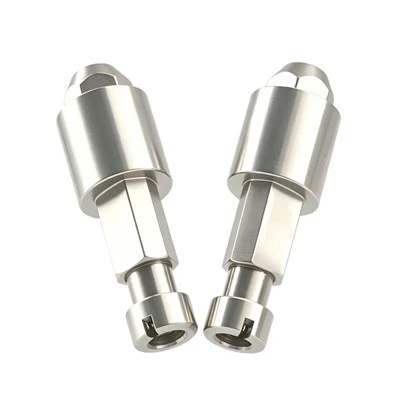
Let’s start with the non-negotiable basics that no one should skip. First up: implant components. You have your dental implants themselves—obviously, make sure you’re using ones that match your practice’s go-to brand, but here’s a pro tip from a surgeon I work with: keep 2 sizes of each diameter you use most. Like, if you regularly do 3.5mm and 4.0mm implants for posterior teeth, stock both, because sometimes a site is a little narrower than x-ray showed and you need to drop a smaller one last minute. Then there are the abutments—wait, no, split that into temporary and final abutments. Temporary abutments are for the healing phase, especially if you’re doing immediate load, so your patient doesn’t have a giant screw sticking out while their gum heals. Final abutments should match the implant’s connection type (internal hex, external hex, Morse taper—don’t mix these up, that’s how you get a loose implant later). And don’t forget the healing caps! Super easy to overlook, but those keep the implant site protected while the soft tissue heals, way better than just gauze.
Next, the surgical tools. This is where a lot of new practices mess up: they buy cheap tools that dull after 2 uses. I get it, budgets are tight, but implant tools need precision. The drill kit is make or break—you need a sequence of drills that match your implant brand. Each brand has a specific taper and depth, so using a random drill from another company can damage the implant or the bone. Stick to matched drill sets. Then there’s the hand tools: implant drivers, torque wrenches. Torque wrench is huge—you can’t just guess how tight the implant should be; 15 to 35 N-cm is standard, depending on bone density. Too loose and it shifts, too tight and you crack the implant. Also, keep a depth gauge—this makes sure you’re placing the implant the right distance from the gum line, not too deep (that causes gum recession) or too shallow (your crown won’t fit right). Oh, and a bone expanders set if you do narrow sites—no one wants to run out of expanders mid-surgery and have to send a team member to the supply closet, holding everything up.
Now, let’s shift to sterile prep. Wait, as a kit supplier, I can’t stress this enough: sterile processing is non-negotiable. Your kit should have sterile packaging that’s easy to open without contaminating the inside. A lot of surgeons I work with hate kits that have tons of small pouches because opening them mid-surgery fumbles with gloves. So look for kits with grouped, pre-sterilized components—like the drill bits come in one sealed pouch, the drivers in another, all labeled clearly so you can grab what you need fast. Also, make sure you have a separate sterile field for the implant itself—some old school kits mix implants with tools, but the implant is a medical device that needs extra protection from contamination.
Then, the extra stuff that makes your kit go from “functional” to “game changing.” First, guided surgery components if you use that—guides, drill sleeves, position markers. If you’re doing a lot of guided cases, don’t skimp on spare drill sleeves; they wear out and you don’t want to pause for a replacement. Bone graft materials? Wait, no—wait, keep a small supply of synthetic bone graft in the kit, or at least a label to remind your team to grab it if needed. A lot of surgeries need a little graft if there’s bone loss, so having it handy cuts down on prep time. Also, irrigation syringes—cooling the drill site with saline is mandatory, right? If your kit only has big syringes, grab 10ml luer-lock syringes specifically for irrigation, they’re way easier to maneuver around the mouth. Oh, and suture kits—absorbable sutures for gum closure, forceps to hold tissue, scissors. No surgeon wants to hunt for suture supplies mid-operation.
Wait, let’s talk about customizing your kit to your practice’s specific needs. If you’re a general dentist doing mostly simple single implants, your kit can be smaller: core implants, 2 drill sizes, torque wrench, healing caps, temporary abutments. If you’re an oral surgeon doing full arch cases, you’ll need more abutments, bone expanders, guided surgery guides, maybe even sinus lift tools. I have a client who’s a solo practice in a small town—they told me they used to carry 3 different kits, now they have one modular kit that swaps out parts for whatever case they do, and they saved $1,200 a year on supply costs. That’s the kind of win we’re all about.
Also, storage and organization—this is where so many kits fail. If you can’t find a driver fast because it’s buried under a drill, that’s a delay. I recommend labeled trays, color-coded if you can: blue for implants, green for drills, red for torque tools. Keep a checklist taped inside the kit lid—before you start a case, you and your assistant can tick off every item to make sure nothing’s missing. No one wants to get halfway through surgery and realize you forgot a depth gauge.
Wait, let’s address a common mistake: overstocking. I see practices buy every single implant size and every tool on the market, and then half of it expires or gets dull before they use it. Rule of thumb: for a monthly case load of 10 to 15 implants, keep 5 of your most common implant sizes, 2 temporary and 2 final abutments per size, and spares of the tools you use most (like the most popular drill bit). Everything else can be ordered as needed. That keeps your storage clean and your cash flow happy.
As someone who’s been on both sides—working in a practice, now supplying kits—here’s a quick sanity check before you finalize your kit: 1. Does it match the implant brands you already use? Using mismatched parts is a surefire way to cause complications. 2. Do you have spares of the items that break most often (drill bits, drivers)? Let’s be real, drills get dropped, drivers slip. 3. Is it easy for your team to prep? If your assistant can’t open a pouch or find a part in 10 seconds, it’s not a good kit.
Now, if you’re a practice owner or lead surgeon looking to upgrade your implant kit, or if you’re a new practice putting together your first kit, we make kits tailored exactly to your case volume and specialty. No generic, one-size-fits-all junk—we work with you to build something that fits your workflow, saves you time, and keeps your patients safe.

If you want to chat through what would work for your practice, hit us up. We’re here to answer questions, help you avoid overbuying, and make sure your surgery prep is as smooth as possible. No sales pitches, no pressure—just honest advice from people who know what it’s like to run a dental practice.
Multi-unit Abutments References
- The Journal of Oral and Maxillofacial Surgery. "Preoperative Preparation for Dental Implant Surgery: Standards for Sterility and Tool Inventory." 2021.
- Academy of General Dentistry. "Dental Implant Kit Optimization for Small Practices." 2022.
- International Journal of Periodontics & Restorative Dentistry. "Tool Matching and Complication Rates in Implant Surgery." 2020.
- American Association of Oral and Maxillofacial Surgeons. "Modular Implant Kit Design for Variable Case Complexity." 2023.
Dongguan Denreal Devices Co., Ltd.
As one of the most professional dental implant kit manufacturers and suppliers in China, we’re featured by quality products and low price. Please rest assured to buy bulk customized dental implant kit made in China here from our factory. For free sample, contact us now.
Address: NO.622, Baoshi Road, Qishi town, Dongguan, Guangdong, China
E-mail: Chason.Yeh@Gmail.com
WebSite: https://www.denreal.com/
