Hey there, thanks for stopping by my little corner of the web—if you’re here, odds are you’ve been scrolling for answers on whether PVC trim moulding works for column wraps. Let me cut to the chase first: yes, it totally can. But I’ve been supplying PVC trim for over 10 years now, so I know it’s not as simple as just slapping some boards around a column. I see this question all the time from contractors, homeowners, even other builders, and a lot of folks get it wrong. Let’s break this down like we’re chatting on a job site, no fancy jargon, just real talk. PVC Trim Moulding

First, let’s get on the same page about what we’re working with. PVC trim moulding isn’t that flimsy plastic stuff you used to see that yellowed and cracked after a season. The good stuff—mine, for what it’s worth—is solid cellular PVC, right? No foam core, no hollow plastic that bends if you look at it too hard. That’s key for columns, because columns have to hold up to way more than just siding. They’re out in the sun, rain, snow, whatever mother nature throws at ’em, and sometimes they’re even supporting a little weight, like a porch roof or a porch swing. Wood columns? They warp, rot, get termites. Fiberglass is pricey, and it’s hard to cut to size on the fly. That’s where PVC comes in.
Now, why is PVC a solid pick for column wraps, not just a “meh” one? Let’s start with durability. I’ve got a customer in Florida who used my PVC wrap on his front porch columns three years ago. He texted me last month saying they still look brand new—no fading, no peeling, no water spots. Compare that to his neighbor’s wooden columns, which he had to sand and repaint every year. PVC doesn’t need paint, actually. If you want a color, we can pre-finish it, or you can just leave it white—it’s UV-stabilized, so it won’t yellow like old vinyl. That’s a huge win for someone who doesn’t want to mess with maintenance.
Next, installation ease. Let’s be real, contractors hate spending extra time on a job. PVC trim cuts just like wood—use a circular saw, miter saw, even a regular handsaw if you’re in a pinch. It’s light, too. A 12-foot piece of 5-inch PVC trim weighs like 10 pounds, same as a similar-sized wood board. That means one person can hoist it up on a second-story porch without needing two guys. And unlike wood, it doesn’t splinter when you cut it, so less mess at the end of the day. For column wraps, that means you can wrap a standard 8-foot column in a couple hours, not a full day. I’ve had a few weekend homeowners hit me up, too, saying they wrapped their garage columns over a Saturday with their dad—no professional help needed. That’s a big plus.
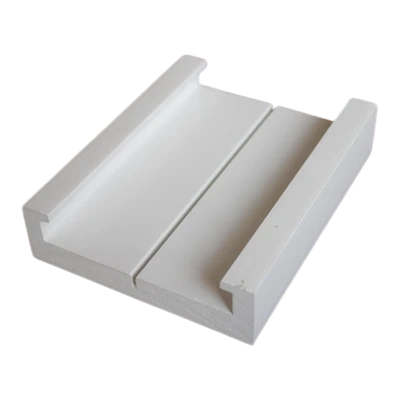
But wait, I can’t just gush about it without talking about the caveats, because if I did, I’d be doing y’all a disservice. Columns aren’t one-size-fits-all, and PVC isn’t either. First, you need to pick the right moulding profile. A lot of people just grab a straight flat trim, but column wraps need something with a little structure. Think half-round mouldings, or wide flat trim with a beveled edge, maybe even something with a slight radius for a more decorative look. If you use thin trim, it’ll bend in on itself over time, especially if your column is in a windy area. We stock specific column wrap kits now, actually—pre-cut pieces that fit common column sizes (like 6×6, 8×8, 10-inch round) so you don’t have to measure and cut every piece yourself. That takes the guesswork out.
Then there’s the core prep. You can’t just nail PVC trim right to a rotting wooden column. You need a solid substrate. Most people use wood furring strips first—attach 1×2 or 1×3 strips around the column, spaced every 16 inches or so, to give the PVC something to grip onto. If you’re wrapping a concrete column, you’ll need concrete screws to attach the furring, because concrete is smooth, and PVC won’t stick directly to it. That’s another thing: leave a little gap between the PVC and the core, like a 1/4-inch gap. That lets air circulate, so no moisture gets trapped behind the wrap and causes mold. I’ve seen guys skip that step, and a year later, they’ve got mold growing inside the column—easy mistake to make, but avoidable.
Also, fasteners matter. Don’t use regular galvanized nails—they’ll rust, and rust stains will bleed through the PVC. Use stainless steel screws, or our specialty PVC fasteners that are made to not corrode. And don’t overdrive them! PVC is soft, so if you screw too hard, the head will sink right in, and you’ll have a little hole that you have to fill with caulk. We recommend using a countersink bit for that, so the screw head sits just below the surface, then you can patch it with PVC caulk that matches the trim color. That makes the wrap look seamless, not like a bunch of pieces stuck on.
Another question I get all the time: can I use PVC trim for decorative columns inside, too? Yep! Like fireplace columns, or columns in a great room that separate the dining area from the living room. Same benefits—no warping, easy to wipe clean if you spill wine, and it takes paint really well if you want to match your interior. I did a job last year in Texas where a guy wrapped his interior kitchen columns in white PVC to match his cabinets—looked way cleaner than wood, and he didn’t have to worry about grease stains ruining them.
Wait, let’s compare to other materials, because that’s what people do when they’re shopping. Wood: like I said, high maintenance. You have to stain or paint every 1-2 years, termite risk in warm climates, rotting if water gets in. Fiberglass: super durable, but it’s heavy, hard to cut, way more expensive. Steel: rusts, dents, looks industrial unless you do a ton of finishing. PVC is the middle ground—price is comparable to good quality cedar, way cheaper than fiberglass or steel, and way less work long-term.
But here’s a real story I heard last month that’s a cautionary tale. A contractor in Georgia wrapped his front porch columns with cheap PVC trim from a big box store, not the solid cellular stuff. The foam core inside started melting after a hot summer—no, really, PVC doesn’t melt that easy, but foam core does. He had to replace all of them within a year. That’s why I always tell folks to make sure they’re getting solid cellular PVC, not the budget foam stuff. Mine is made from 100% cellular PVC, no fillers, no foam, so it can handle 140-degree heat, freezing cold, whatever. I test every batch we get, so I know it holds up.
What about curves? If you have a round column, can you wrap it with PVC trim? Absolutely. We carry flexible PVC trim that bends up to a 1-foot radius, perfect for round columns. It’s still solid, doesn’t crack when you bend it, and holds its shape. A customer in California used it for his round patio columns, and it looks way better than trying to build a wood wrap for a round shape. I’ve even used it for window trim that curves, too—super versatile.
Let’s talk about customization. A lot of people want columns that match their trim, their window casings, their baseboards. With PVC, you can get mouldings that are exactly the same profile as your existing trim, so the whole house looks cohesive. No more mixing wood trim with wood columns, or vinyl trim with fiberglass columns. We make custom profiles too, if you’ve got a specific look in mind—just send over a sample or a photo, and we can mill a moulding to match. That’s a big one for custom home builders, who want everything to flow.
Wait, should I mention installation tips specifically for column wraps? Let’s make this practical. First, measure your column’s circumference, not just the width. Round it up a little, because you don’t want the wrap to be too tight. When cutting the trim, cut the pieces slightly longer than needed, so you can trim them to fit around the top and bottom of the column. Miter the corners at 45 degrees, but leave a tiny gap at the corner (like 1/8-inch) for caulk—PVC expands and contracts with temperature changes, so if you butt the pieces perfectly tight, they’ll crack when the weather changes. That’s another mistake I see all the time—guys miter corners perfectly, then in summer, the PVC swells and splits the joint. Leave that little gap, and caulk it with flexible PVC caulk, and it’ll hold for years.
Also, trim it at the right height. If your column goes up to a porch ceiling, don’t cut the trim too short—leave a 1/2-inch gap between the top of the wrap and the ceiling, so air can circulate. Same at the bottom: leave a 1/2-inch gap above the ground, so water from sprinklers or rain doesn’t splash up against the wrap. That’s a simple step that prevents so many water-related issues.
Now, let’s get to the stuff that matters for you, the buyer. I know price is a factor. PVC trim is a little more upfront than cheap wood, but when you add up the cost of painting wood every year, replacing rotted columns, that’s way more over 5 years. I’ve had customers tell me they saved like $2,000 over 5 years on maintenance just by switching to PVC. That’s a big deal for a homeowner on a budget, or a general contractor looking to make a profit on a job.
Wait, can you paint PVC trim? Yeah, if you want a custom color. Just make sure you use exterior paint made for PVC—regular latex paint won’t stick. We stock paint-ready PVC trim, which has a rough surface so the paint adheres better. I had a customer who wanted navy blue columns for his lake house, so he painted the PVC trim navy, and it’s lasted two years without fading. Way better than painting wood navy, which would have started chipping after a year.
Is there any scenario where PVC column wraps aren’t a good idea? Let’s be honest. If you’re looking for a super rustic, old-world look, maybe real wood is better. Or if you need a column to hold a ton of extra weight, like a load-bearing column in a basement—wait, no, even then, PVC is fine as a wrap, you just need a solid core underneath. I haven’t seen a case where PVC column wraps were a bad call, as long as you pick the right type (solid cellular, not foam), prep the core right, and follow the installation steps.
Now, I’ll wrap this up (pun intended, couldn’t resist) with a quick recap. PVC trim moulding is totally usable for column wraps—super durable, low maintenance, easy to install, versatile for any style, and cost-effective long-term. The key is to skip the cheap foam stuff, prep your core with furring strips, leave gaps for air and expansion, use the right fasteners, and pick a profile that works for your column shape (flat, round, square, whatever). I’ve been supplying this stuff for years, and I’ve seen way too many happy customers who went from dreading their column maintenance to never thinking about it again.
If you’re a contractor who’s tired of dealing with rotted wood columns on every job, or a homeowner who wants to upgrade their porch without the constant upkeep, or a builder looking to add a new line of products that actually works for your clients, I’d love to chat. We’ve got custom profiles, pre-cut column kits, bulk pricing for jobs, and samples you can order to test before you buy. Hit me up to talk through your project—whether you’re wrapping one small interior column or 50 exterior porch columns, we’ve got the PVC trim that’ll fit your needs.
Anti-microbial PVC Foam Board References:
- International Association of Certified Home Inspectors (InterNACHI). "PVC Trim and Molding for Exterior Applications". 2022.
- American Wood Council. "Comparison of Wood and PVC Trim Durability for Exterior Use". 2021.
- Cellular Plastic Institute. "Installation Guidelines for PVC Trim in Structural Wraps". 2023.
- National Association of Home Builders (NAHB). "Low-Maintenance Exterior Materials for Residential Columns". 2022.
- Construction Specifications Institute (CSI). "Specification for Cellular PVC Trim Molding for Architectural Applications". 2023.
Jameson Performance Plastics Co., Ltd.
With abundant experience, we are one of the most professional PVC trim moulding manufacturers in China. We warmly welcome you to wholesale customized PVC trim moulding at competitive price from our factory. If you have any enquiry about free sample, please feel free to email us.
Address: No.97 Liuquan Road, Zibo city, Shandong, China.
E-mail: info@jamesonplastics.com
WebSite: https://www.jamesonplastics.com/
