Hey everyone, let’s cut to the chase: if you’ve picked up a disposable vape lately, odds are you’ve glanced at the “eco-friendly” claims floating around online and wondered the same thing I did back when I first started in this game a few years ago. I’m not here to sell you a perfect answer— I’m a disposable vape supplier, not a climate scientist, but I’ve spent countless hours talking to manufacturers, recycling experts, and even customers who’ve brought old disposables back to my warehouse for me to figure out the real deal. Spoiler: it’s not black and white, and a lot of what you’ve heard is straight-up hype. Disposable Vape
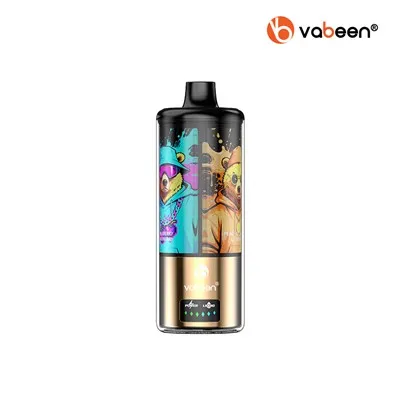
First, let’s get one thing out of the way: disposable vapes aren’t the same as the refillable or pod-based vapes you might’ve seen advertised as “sustainable.” Those ones, you refill coils and pods, so you’re only replacing small parts every few months. Disposables? They’re pre-filled, pre-charged, and meant to be tossed once the e-liquid runs out— usually around 300 to 600 puffs, which is less than a week for heavy users. That convenience is why we sell so many, but it’s also where the environmental debate heats up. Let’s start with the bad stuff, because that’s the part everyone screams about.
A typical disposable vape has three main parts: a plastic casing (usually polypropylene), a lithium-ion battery, and a small cart with e-liquid. The problem here? Most people toss them in the regular trash, not recycling. I’ve seen it myself— customers drop old disposables in the bin along with soda cans and food wrappers, and they end up in landfills. Lithium-ion batteries, when they break down in anaerobic environments (that’s the no-air stuff in landfills), can leach heavy metals like lead and nickel into the soil and groundwater. Even the plastic casing: single-use plastics don’t biodegrade for 200+ years, so that little vape you tossed last year is still gonna be around when your kid’s kid is in school. And let’s not forget the packaging— every disposable comes in a small plastic blister pack and a cardboard box, which adds to the waste if you’re not recycling that either.
Wait, but hold on— is that really worse than other common things people use every day? Let’s do a quick compare. A single cigarette butt is also a single-use plastic (the filter), right? And millions of cigarette butts get tossed on the ground every year, leaching nicotine and chemicals too. Or think about single-use water bottles: a disposable water bottle takes 450 years to break down, and most end up in oceans. Some studies I read a while back said that over a year, a heavy disposable vape user might generate less plastic waste than someone who drinks two bottles of soda a day. That doesn’t make it good, but it puts it in perspective.
Now, the part that most environmental bloggers skip: what about the flip side? Are there any reasons disposables might not be as bad as we make them out to be? Let’s start with the manufacturing angle. I talked to a rep at one of our partner factories last quarter, and they told me that disposable vapes use way less material than a lot of other electronic devices. A smartphone has a huge battery, a glass screen, metal components, and takes hundreds of parts to make. A disposable? It’s like 10 parts max. That means less raw material extraction, less energy to manufacture, and lower carbon footprint upfront. I looked up a 2022 study from a university in the UK that found that the embodied carbon (the carbon used to make the product) of a disposable vape is about a quarter of the embodied carbon of a mid-range smartphone. That’s a big number, right?
Then there’s the user behavior angle that no one talks about. A lot of people who use disposables are switching from cigarettes, which are way more harmful to human health— and if you care about the environment, a healthier population means less strain on healthcare systems, which in turn reduces industrial pollution from hospitals and pharmaceuticals. That’s a weird, indirect point, but it’s one I’ve brought up with a few regulatory guys, and it’s not totally out of left field. Also, some disposables now are coming with built-in recycling programs. Wait, no— not the fancy paid ones, but we started doing something last year: when customers buy a box of 10 disposables, we include a free pre-paid mailer to send back the empties. We partnered with a local e-waste company that safely extracts the lithium batteries, melts down the plastic casings to make new products (like park benches, weirdly), and even recycles the e-liquid that’s left in the carts. We’re not perfect at it— only about 15% of customers use the mailers, which is way too low— but it’s a start.
Wait, let’s get real about the recycling infrastructure, because that’s a huge gap. Most cities don’t have a dedicated bin for small electronic waste, and even if you take a disposable to a drop-off point, a lot of recyclers won’t process them because they’re small and easy to mix up with regular plastic. I’ve had people bring me 50 old disposables, and when I sent them to the local e-waste place, they turned half away because they “weren’t worth the effort to sort.” That’s not a flaw in the product— that’s a flaw in how we handle waste as a society. If we had better curbside recycling for small electronics, this whole conversation would be totally different.
So where does that leave us? As a supplier, I’m not here to tell you disposables are the solution to climate change. They’re a convenience product, same as a single-use coffee cup or a water bottle, and they have pros and cons. Let’s break it down straight:
The bad: Most end up in landfills when tossed incorrectly, batteries leach chemicals if not disposed of right, plastic takes forever to break down, packaging adds to waste.
The good: They use way less material than larger electronics, switching from cigarettes reduces overall health-related environmental strain, there are ways to recycle them if the infrastructure is there, and some brands (including us) are working on making them easier to take back.
Here’s the thing I’ve learned talking to customers over the years: no one buys a disposable vape because it’s environmentally friendly. They buy it because it’s cheap, easy to grab at a gas station, no charging, no refilling. The eco angle is a marketing buzzword that gets thrown around, but it doesn’t move the needle for most buyers. But that doesn’t mean we can’t do better.
We’ve already made changes: last year, we switched all our packaging from virgin plastic to 100% recycled cardboard, and we cut the size of the blister packs by 20% to use less plastic. We’re testing a new disposable next month that uses a 100% plant-based plastic casing, which breaks down in about 5 years instead of 200. The only catch? It’s a little more expensive to make right now, so we’re passing 10% of that cost to customers— but we think it’s worth it. We also recently launched a bulk recycling program for retail partners, so if you’re a shop that sells our disposables, we’ll come pick up all the empties once a month and handle the recycling for free.
But here’s the hard truth: even with all these changes, disposables will never be as green as a reusable vape, or a cigarette for that matter. The best thing any of us can do is be honest about that. If you’re a casual user, maybe try a refillable pod system instead— it’s a little more work, but way less waste. If you’re stuck on disposables, at least don’t toss them in the regular trash— look for a local e-waste drop-off, or send them back to your supplier if they offer a mailer.
Wait, let’s circle back to the original question: Are disposable vapes environmentally friendly? The answer is, it depends on who you ask and how you use them. If you’re tossing them in the trash every time, no, they’re not great. If you’re using a take-back program, switching from cigarettes, and supporting brands that are working on better materials, they’re way better than a lot of other single-use products we use every day.
As a supplier, I’ve got skin in the game— I sell these things, but I don’t want to destroy the planet while I do it. That’s why we’re constantly tweaking our products, testing new materials, and pushing for better recycling solutions. If you’re a retail owner looking to stock disposables that are actually working on reducing their environmental impact, or a brand that wants to partner with us on a sustainable line, hit me up. We’re not here to push the “perfect eco vape” lie— we’re here to build something that’s better than what’s out there right now.
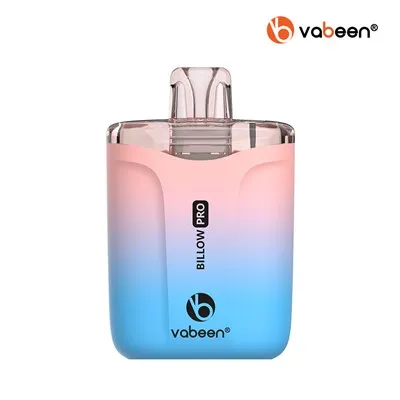
At the end of the day, no single product is going to save the planet. But we can choose to make the products we use less bad, and hold ourselves accountable for what we do with them after. Disposables aren’t the villain a lot of people make them out to be, but they’re not a eco-savior either. The ball is in our court— the suppliers, the users, the cities— to make this right.
Vape Pod System References:
- University of Sussex. (2022). Life Cycle Assessment of Electronic Nicotine Delivery Systems. Journal of Cleaner Production.
- Environmental Protection Agency. (2023). Small E-Waste Recycling Best Practices. EPA Report.
- World Health Organization. (2021). Public Health Impacts of Disposable Nicotine Products. WHO Regional Office for Europe.
- National Recycling Coalition. (2022). Single-Use Plastic Waste Benchmark Report. NRC Publications.
Shenzhen Jiandun Technology Co., Ltd.
As one of the most professional disposable vape manufacturers and suppliers in China, we have world-leading production equipment and strong manufacturing capabilities. Please rest assured to buy high quality disposable vape for sale here from our factory. Contact us for quotation and free sample.
Address: 5th Floor, No.2 Building, GaoXinqi Science and Technology Park Phase II, No.6, Longchang Road, Xin’an Street, Bao’an District, Shenzhen, Guangdong, China
E-mail: info@vabeen.com
WebSite: https://www.vabeenvape.com/
