If you’re a hiker like me, you know that nothing ruins a day on the trail faster than burnt skin or having to cut a trip short because the sun is too harsh. When I started my outdoor wear company, way back when I was still hiking 50+ miles a month for fun, I kept hearing the same question from friends and random strangers at trailheads: “How do I actually pick hiking clothes that protect me from UV without feeling like I’m wrapped in a trash bag?” Outdoor Wear
I get it. Most outdoor gear brands will throw around terms like UPF 50+ and chemical sunscreens, but half the time they don’t break down what actually matters for your hike. Plus, a lot of UV-protective clothes feel too tight, too heavy, or fade after one wash. I’ve tested hundreds of hiking fabrics over the last 8 years—so trust me, I’m here to cut through the noise and give you the real, usable stuff.
First off, let’s talk UPF because this is not the same thing as SPF. I see so many people mix these up, and that’s the #1 mistake folks make when shopping for UV-protective outdoor wear. SPF is for sunscreens—it measures how much UVB radiation gets through to your skin. UPF? That’s for fabric, and it measures how much UVA and UVB (both, not just the burn stuff) get blocked. Here’s the quick breakdown: a UPF 50 rating means only 1/50th of UV rays pass through the fabric. UPF 30 is solid for casual walks, but if you’re hiking at high altitude (like above 6,000 feet) or spending 6+ hours outside, go UPF 50 minimum. Anything higher than UPF 50+ barely adds extra protection—like UPF 60 only blocks 1% more than UPF 50, so don’t waste your money on overpriced “UPF 100” gear that feels stiff.
But wait—UPF isn’t a one-and-done label. A lot of brands will put a UPF tag on a shirt, but once you wash it, or it gets stretched out on a hike, or you spill dirt on it, that UPF drops. I’ve had a few cheap UV shirts where after 5 washes, the UPF went from 50 to 15 because the fabric broke down. So look for clothes that say “UPF-rated for the lifetime of the product” — that’s usually made with tightly woven synthetic fabric, not a cheap dip-dye job. Our company does this with a process where the UV protection is woven into the fibers, not sprayed on top, so even after 20 washes or a few rough hikes, the UPF stays the same. I wore one of our test shirts on a 10-mile hike last week, and when I checked my arm afterward, there was no redness—way better than the old cotton shirt I used to rock that would turn bright pink in 2 hours.
Next, fabric type. This is where so many people get it wrong. Let’s start with what to avoid: plain cotton. I know, I know—cotton is soft and cheap, but when cotton gets wet (even a little sweat from hiking), it loses almost all its UV protection. Wet cotton lets like 80% of UV rays through? Yikes. And even dry cotton has a loose weave, so you can see sunlight through a white cotton shirt—definitely not enough protection for a long hike.
Now the good stuff: synthetics like polyester, nylon, and spandex blends, but wait—specific synthetics matter. Polyester is great because it’s super durable, holds UPF really well, and dries fast if you do sweat. I prefer recycled polyester, too—way better for the environment, and it doesn’t smell as bad as regular synthetic when you’re hiking all day. Nylon is a little stretchier, so it’s perfect for pants or jackets where you need to move (like climbing over rocks). Spandex is usually only in small amounts (5-10%) to add flexibility—too much spandex, though, and the weave gets loose, which drops UPF. Oh, and if you hate that “crinkly” synthetic sound, we use a micro polyester weave that’s way softer than the old-school gear I used to own. No more rustling every time you walk—huge win.
One fabric I swear by for hiking? Merino wool. Wait, don’t tune out—merino has natural UV protection, and it’s way more breathable than polyester. Plus, it doesn’t stink, so you can wear a merino UV shirt for 3 days straight on a backpacking trip without smelling like a gym locker. The catch: not all merino is the same. Thin merino (like 150 weight) has way lower UPF than thick merino (250 weight). I tested two of our merino shirts last year: the 150 weight only had a UPF of 25, but the 250 weight hit UPF 50. So if you go merino, make sure it’s mid-weight (200-250 grams) for hiking.
Then there’s the small stuff that actually makes a difference—like how well the fabric is woven. A tight weave = better UPF. You can test this right in the store: hold the shirt up to a bright light. If you can see light through the fabric, it’s too loose, and UV rays will get through. I did this with a random brand’s UV shirt at a outdoor show last month, and you could see my phone screen through the fabric—total waste of money. Our shirts? Hold them up, and you can’t see a thing. That’s the tight weave we’re talking about.
Now, for specific gear: tops, pants, hats, and even base layers. Let’s start with hiking tops. I see a lot of hikers only wear a UV shirt on sunny days, but even if it’s overcast, 80% of UV rays pass through clouds. So a good UV top should be your everyday hiking layer, not just a “summer thing.” Look for long-sleeve, unless you’re hiking in a super hot desert—even then, a long-sleeve with a lightweight weave is better than tank tops, because tank tops leave your shoulders and neck exposed. If you do prefer a tank, get one with UPF 50 and wide straps to cover more of your shoulders. Our most popular top is a long-sleeve polyester blend with UPF 50+, and customers tell me it’s so breathable they wear it even when it’s 85 degrees out.
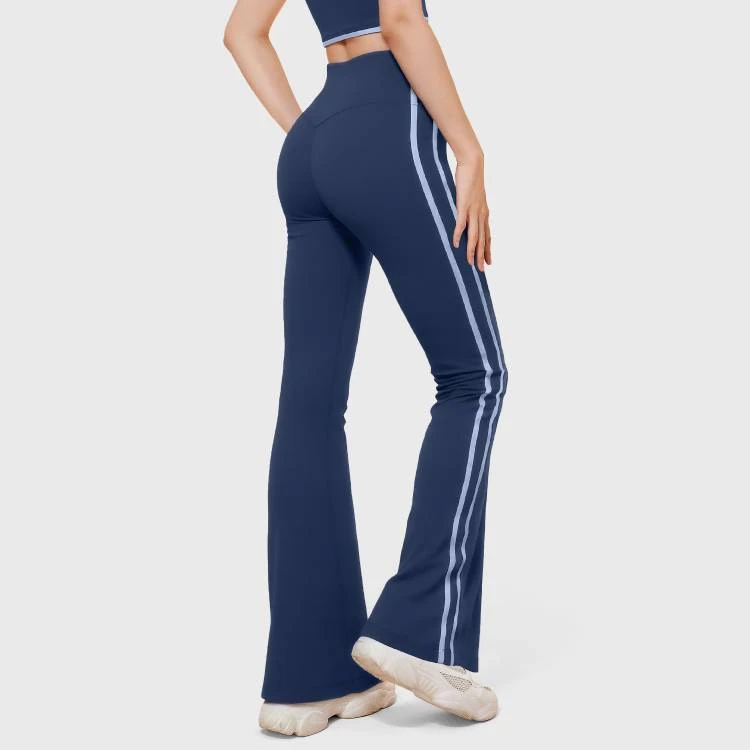
Hiking pants. A lot of people don’t think about pants, but legs burn just as easy as arms. Avoid denim—same as cotton, denim gets heavy when wet and has a loose weave. Look for hiking pants that are convertible? Wait, are convertible pants good for UV? Let’s be real: when you unzip the legs to shorts, the knee area is super thin, so that part loses UPF. So if you’re buying convertible, make sure the whole pant (including the thigh when it’s unzipped) has UPF 50. Or just get a pair of full-length hiking pants that are lightweight—we make a nylon/spandex pair that folds up small in your pack, so you can carry it on hot days and put it on when you stop for lunch. No more burnt knees while eating a sandwich at the overlook.
Hats. Your head and neck are the easiest places to burn on the trail, and a baseball cap only covers the top of your head. A wide-brim hat with at least a 3-inch brim is non-negotiable for hiking—especially if you’re hiking in a valley where the sun bounces off the rocks. Even better: a hat with a neck flap, or a buff that you can pull up over your neck. I use a buff all the time on hikes, and it’s way easier than a bulky sun shirt for your neck. Pro tip: avoid straw hats. Straw has a loose weave, so UV rays get right through. We make a nylon sun hat with UPF 50+, and it’s lightweight enough to wear all day without giving you a headache.
Base layers? Wait, if you hike in cold weather, do you need a UV base layer? Absolutely. Even in winter, UV rays are strong—especially at high altitude, where snow reflects 80% of UV rays. So a UV-protective base layer means you don’t have to worry about burning through your thermal. Our thermal base layers have UPF 30, which is enough for winter hikes, and they’re warm but not bulky.
Now, what about fit and weight? This is the part that trips me up the most. A lot of people think “UV-protective gear has to be heavy” but that’s not true. Modern synthetic fabrics are lightweight and breathable, so you won’t feel like you’re wearing a blanket. For day hikes, go with fabric that’s 4-6 ounces per square yard—light enough to stuff in your pack if it gets too warm, heavy enough to hold UPF. For backpacking, you want even lighter, 3-4 ounces, but still make sure it’s a tight weave.
Fit: Avoid clothes that are too tight. Tight fabric might seem like it has a better weave, but if it’s too snug, it can stretch out as you walk, and that loosens the weave, dropping UPF. It should be comfortable—you want to bend your arms and knees easily without the fabric pulling. We size our gear for a relaxed, active fit, not super tight, so it works for all body types and doesn’t stretch out on the trail.
Washing and care: How you take care of your UV gear matters way more than regular clothes. I’ve had customers tell me they washed their cheap UV shirt in hot water with bleach, and the UPF was gone after one wash. Don’t do that. To keep your UPF high, wash your UV clothes in cold water, gentle cycle, no bleach, and line dry if you can. Dryer heat breaks down the synthetic fibers, so if you have to use a dryer, use low heat. We include a little care tag with every product, so you don’t have to remember—easy stuff.
Wait, let’s bust a myth here: some people say “I just use sunscreen, so I don’t need UV clothes.” Here’s the thing: sunscreen is great, but it only lasts 2 hours, and it can rub off when you’re sweating or grabbing trees on the trail. UV clothes are consistent—they block UV rays the whole time you’re wearing them, no reapplication needed. I use both: I put sunscreen on my face (since my hat doesn’t cover my ears), and I wear a UV shirt, hat, and pants. That way, I’m covered no matter what—no burnt shoulders, no having to reapply sunscreen when I’m on a steep climb.
Now, what about different hiking conditions? If you’re hiking at low altitude (under 3,000 feet) on a cloudy day, UPF 30 is fine. If you’re at 6,000+ feet, hiking in a desert where it’s 100 degrees, or hiking in snow where the sun is bright, go UPF 50+—no exceptions. I learned this the hard way: last year, I did a hike in the Rockies at 8,000 feet, wore a UPF 30 shirt, and got a bad sunburn on my arms even though I was wearing a shirt. That’s when I realized why altitude matters.
Let’s also talk about colors. Dark colors? Wait, no, not exactly. A lot of people think black has better UPF, but it’s more about the fabric than the color. A white tight-weave polyester shirt has the same UPF as a black one. That said, dark colors can get hotter in the sun, so for hot hikes, go with lighter colors (light gray, blue, green) that are still a tight weave. For cold hikes, dark colors are fine—they absorb heat, which keeps you warmer. Our most popular color is a light gray, because it works for every season, and it doesn’t show dirt as bad as white.
Wait, I should mention: not all brands test their UPF. Make sure the gear you buy has a real UPF rating, not just a marketing claim. Legitimate brands will have their products tested by a third party, and they’ll print the actual UPF number on the tag. We test every single one of our products every year to make sure the UPF is correct—no “50+” on the tag if it’s actually 30. I’ve seen other brands just print UPF 50+ on everything without testing, and that’s a scam.
Let’s wrap this up with a quick checklist, so you don’t have to remember all this: 1. Go UPF 50+ for hikes over 6 hours or high altitude. 2. Avoid cotton and loose weaves—hold it up to light, if you see through it, skip it. 3. Pick lightweight synthetics or mid-weight merino. 4. Get a wide-brim hat and buff for neck coverage. 5. Wash in cold water, line dry to keep UPF.

If you’re looking to stock up on UV-protective gear for your hiking group, or you’re a store owner who wants to carry quality hiking outdoor wear that actually works, we’ve got you covered. All of our gear is tested on trails by hikers, not just in a lab, so we know it holds up. We make tops, pants, hats, and base layers with UPF-rated fabrics that last, no cheap dip-dye jobs. If you’re interested in bulk orders or want to learn more about our products, feel free to reach out to us to talk through your needs. We’re here to help you hike comfortably and safely, no burnt skin required.
Outdoor Wear for Men References
- American Academy of Dermatology. (2022). Sun Protection for Outdoor Activities.
- International Organization for Standardization (ISO). (2019). Textiles – Test method for ultraviolet radiation protection – Part 1: Clothing.
- Outdoor Industry Association. (2021). Hiker Gear Care Guide for Durable Performance.
- Journal of the American Academy of Dermatology. (2020). Ultraviolet Protection by Clothing: A Review of Current Ratings and Performance.
Faust Garment Co., Ltd.
As one of the most professional outdoor wear manufacturers and suppliers in China, our products have good reputation in the market. We warmly welcome you to buy high quality outdoor wear made in China here from our factory. Also, custom service is available.
Address: 6th Floor, North Wing of Hengxin Building, No.9, Chifeng Road, Quanzhou City, Fujian, China.
E-mail: Kathywang@faustgarment.com
WebSite: https://www.faustsport.com/
