Alright, let’s cut to the chase—if you’re here, you’ve probably been staring at a piece of farm equipment that looks way too big to drive without panicking a little, or maybe you’re a new farmer just trying to figure out how to turn that “tractor guy” YouTube hobby into something real. I’ve spent the last 7 years selling tractors to folks like you, and let me tell you: getting a tractor license isn’t as scary as your uncle who’s been farming since 1982 makes it sound. It’s not rocket science, but it does have some specific steps you can’t skip, especially if you’re actually planning to use that tractor for work (not just mowing your 10-acre hobby farm on weekends). Let’s break it down like we’re chatting over a coffee at a tractor show, no stuffy jargon, just real talk from a guy who’s seen way too many people mess this up. Tractor

First off, let’s get one thing straight: “tractor license” isn’t a one-size-fits-all thing. It’s not like getting a driver’s license where every state (or country, wait—wait, hold on, I need to keep this general but grounded because I sell tractors across North America, mostly, so I’m talking U.S. and Canadian rules here). In the U.S., it depends on two big things: how much the tractor weighs, and what you’re using it for. If you’re just using a tiny sub-compact tractor (under 20 horsepower, under 2,000 lbs) for personal use, like hauling firewood or mowing, you probably don’t need a special license at all—just your regular driver’s license. But if you’re moving up to a 100+ horsepower model, or pulling a trailer that’s over 10,000 lbs total, that’s where things shift. For Canada, it’s similar but has some province-specific bits, like in Ontario you need a Class 6 endorsement for farm tractors over a certain weight if you’re driving on public roads, whereas in Alberta it’s a little more relaxed for farm use. I’ve had a customer last year who drove a 120 HP John Deere from Iowa to his new farm in Missouri with just his regular license—he thought he needed a CDL, turns out the trailer was under 10k, so he was good. That’s the kind of mix-up I want to help you avoid right now.
Now, let’s start with the basics before you even think about applying for anything: figure out exactly what kind of tractor you’re working with, and what you’ll be using it for. Last month, a young guy came into my lot panicking because he thought he needed a full commercial license to get a small tractor for his landscaping business. Turns out he was only pulling a 5,000 lbs trailer with it—no CDL needed. But if he was pulling over 10k, that’s a different story. So step 1: Check your local department of motor vehicles (DMV) or equivalent agency’s rules for agricultural vehicles. Most have a specific section for farm equipment, not regular commercial trucks. Don’t rely on Google’s first search result, either—those are usually 5+ years old. Call your local DMV office directly; I keep a list of phone numbers for every state’s agricultural vehicle division on my work phone because half the customers ask. That’s way more reliable than random forum posts.
Next, if you do need a special endorsement or license, the training part is non-negotiable. A lot of people skip this because they think “I drove a lawnmower as a kid, I can drive a tractor.” Newsflash: A lawnmower is 300 lbs, a 200 HP farm tractor is 15,000 lbs. The steering, the brakes, the blind spots—all way different. Here’s the thing: some places let you take an online course, but I always tell people to take a hands-on class if you can. Last year, I partnered with a local agricultural college to host free 4-hour tractor safety demos for new buyers, and every single person who went said it saved them from a stupid mistake. Like, one gal who works at a Christmas tree farm told me she thought she could turn the tractor while moving forward at full speed— the instructor stopped her mid-demo and showed her how it would tip if she did that on a hill. That’s the kind of lesson you can’t get from a TikTok. If you’re tight on time, there are official online courses from groups like the National Safety Council (NSC) that are accepted in most states—you can knock those out in a weekend. But make sure the course is specifically for agricultural tractors, not general heavy equipment. A lot of construction equipment courses won’t cover the farm-specific stuff, like how to attach a hay baler or navigate a county road with a load of grain.
Wait, and let’s talk about age, because that’s another big one. Most states let you operate a tractor on private property at any age, right? My 16-year-old nephew runs our family’s small tractor all summer for mowing, no license needed. But if you’re driving that tractor on public roads, or using it for commercial work, you have to meet a minimum age. Usually it’s 16, but some states let 14 and 15-year-olds get a restricted farm tractor license if they’re working on their family’s farm. That’s a big one for teen farmers—don’t let your kid get in trouble with the state because you didn’t check the age rules.
Then there’s the test part. If you need a special endorsement, most places have two parts: a written test and a practical (hands-on) test. The written test isn’t that bad—It’s all about safety rules, like speed limits on public roads for farm tractors, how to load a trailer properly, what to do if the tractor tips, and signal rules. You can study the official DMV manual for free online, and most DMVs have practice tests you can take for free too. The practical test is where people usually freeze. You’ll have to do things like back the tractor up in a straight line, turn it without tipping, stop safely on an incline, and maybe attach a small implement (like a plow or a trailer). A lot of people stress over the practical test, but if you’ve done the training (hands-on or course) and practiced a few times, you’ll be fine. I’ve seen so many folks pass their first time because they took the 4-hour demo I host.
Wait, but hold on—what if you’re only using the tractor on your own private property? No roads, no commercial use? Then you probably don’t need any special license at all. That’s a super common myth. My neighbor has a huge hobby farm, he’s got a 150 HP tractor he uses to move trees and mow, and he’s never had a license other than his regular driver’s license, because he never drives it on public roads. The only time that changes is if you’re crossing a public road on private property—some states count that as driving on public roads, so you might need an endorsement. Again, call your local DMV to confirm, don’t assume.
Now, let’s talk about mistakes I see all the time that get people in trouble. First, lying about use. If you say you’re using the tractor for personal hobby farm use, but then you start pulling hay for sale, that’s commercial, and you might get a fine if you don’t have the right license. Second, skipping the training because you think you know it. I had a customer last year who bought a big tractor from me, skipped the safety course, and crashed it into a fence a week later. He wasn’t hurt, but the fence cost him $800 to fix, and he totaled a corner of the tractor’s cab. That’s $800 he could’ve saved if he just spent 4 hours taking a free safety class. Third, not checking for updates. Rules change every few years—last year Texas updated their agricultural vehicle rules, so a bunch of Texans who thought they didn’t need a license suddenly had to get one. Don’t rely on what your dad told you 20 years ago; call the DMV.
Okay, so you got your license, or you figured out you don’t need one—now what? Wait, a quick tip from my side as a tractor supplier: when you come to buy a tractor, bring proof of your license (or a copy of the DMV letter saying you don’t need one) if you’re required to have it. We don’t ask for it to be annoying, we ask because some states require us to register the tractor with your license info, same as a car. It saves you a trip later to the DMV to register your new ride. Also, if you have any questions about the license process before you buy, just hit us up. We don’t pressure you to buy anything, but we’ve dealt with this a hundred times, so we can point you to the right DMV number, the best safety courses, whatever you need.
Before I wrap this up, let’s do a quick recap so you don’t have to scroll back:
- Figure out your tractor’s weight and use (personal vs commercial, road vs private property)
- Call your local DMV/equivalent to confirm exact rules (not Google)
- Do a safety course or hands-on training, no exceptions
- Take the written and practical tests if you need the endorsement
- Keep proof of your license with you when operating, especially on roads
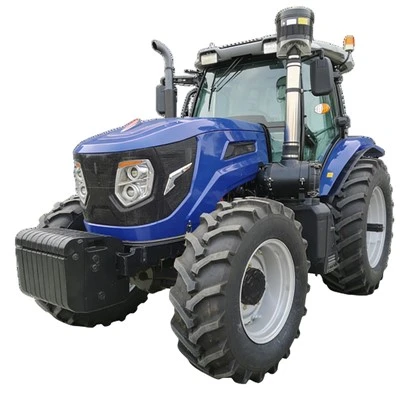
And if you’re reading this because you’re ready to actually purchase a tractor, whether you need to get licensed first or you’re all set already, just reach out. We can walk you through the license steps if you’re stuck, help you pick the right tractor for your needs, and get you set up with all the supplies you’ll need (tools, implements, even extra oil) to get to work. No hidden fees, no pushy sales talk, just real advice from a guy who’s been selling tractors for years and wants to make sure you don’t make the same mistakes our other customers did.
Agricultural Implements References:
National Ag Safety Database (NASD), Tractor Operator Licensing Requirements, 2024
American Farm Bureau Federation, State Agricultural Vehicle Laws Summary, 2023
Ontario Ministry of Agriculture, Food and Rural Affairs, Farm Tractor Licensing Guidelines, 2024
Sevol International Trade (Shandong) Co., Ltd.
As one of the most professional tractor manufacturers and suppliers in China, we’re featured by quality products and good price. Please rest assured to buy advanced tractor for sale here from our factory. We also accept customized orders.
Address: 1210, Building 13, No.13129, Yingqian Street, Liyuan Street, Kuiwen District, Weifang City, Shandong Province
E-mail: Savotrak@163.com
WebSite: https://www.sevol-global.com/
